
Defining a water treatment and environmental equipment package
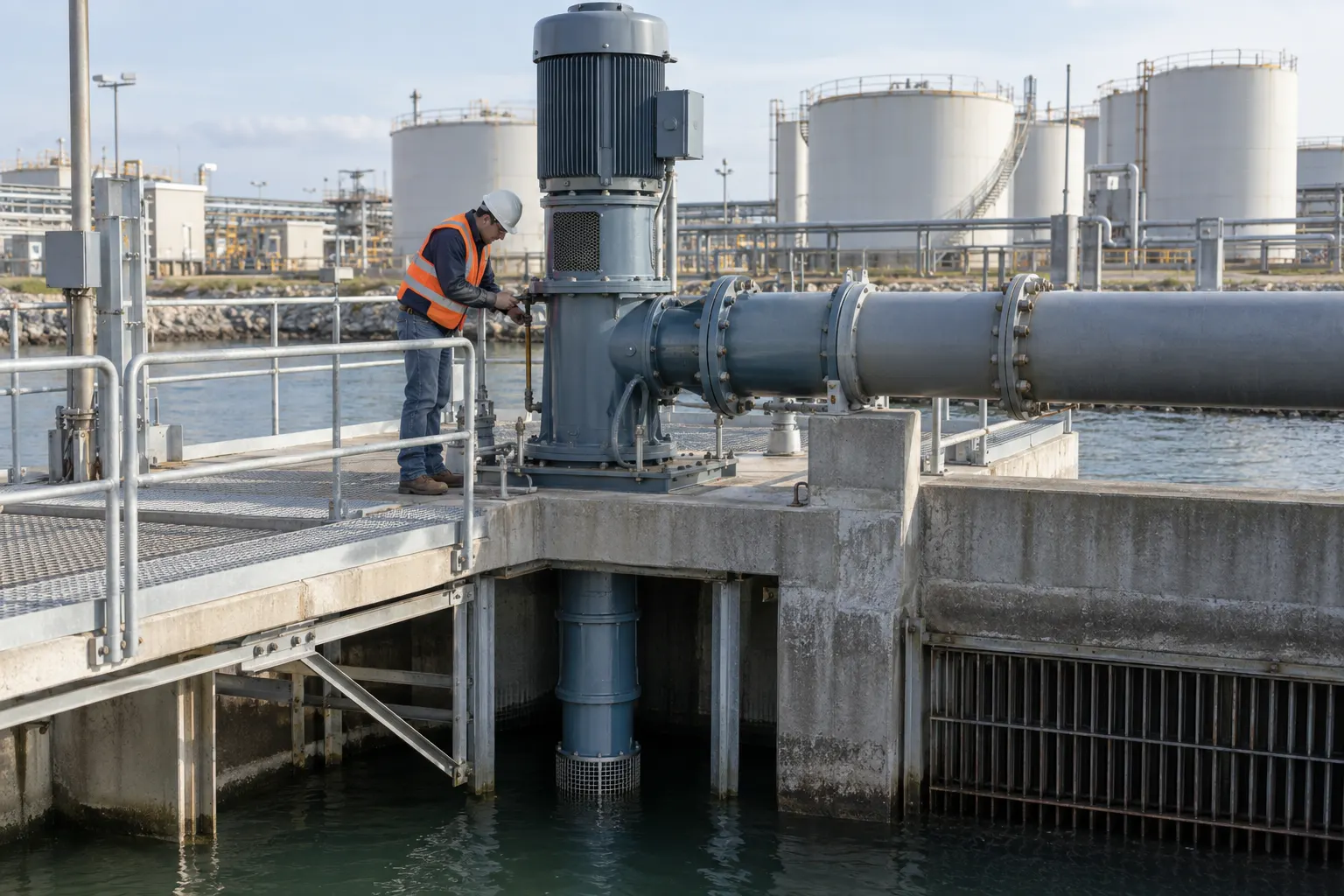
Identify the water stream and the intended result
Water and environmental equipment enquiries begin with the source and destination of the stream. Produced water, intake water, industrial process water, cooling water and wastewater have different characteristics and treatment objectives. State whether the outlet is intended for reuse, reinjection, further treatment or a permitted discharge. The responsible project team should define the required quality and applicable acceptance basis. A label such as clean water or oily water is not enough to select a treatment process or compare performance proposals.
Describe the current installation and the change required. A new treatment train, replacement filter, dosing skid and monitoring instrument are different packages even when they serve the same water system. Identify what already exists and what the offered equipment must connect to. Where the process has not been selected, request a defined study or treatment proposal rather than assume that equipment supply includes process design. Keep investigation, design, supply, installation and operating support visible as separate work boundaries.
Supply representative feed data and operating cases
Provide the available water analysis with sample locations, dates and the operating conditions represented. Relevant information can include suspended and dissolved constituents, hydrocarbons, salinity, temperature and the chemicals already used in the process. Identify which values are measured, estimated or still awaiting analysis. Produced water can contain a mixture of salts, hydrocarbons, solids and residual treatment chemicals; removing one constituent does not establish that the complete outlet quality has been achieved.
Define flow cases and expected variability, including continuous, intermittent and peak conditions where they matter. A single average flow can hide a short-duration load that affects buffer capacity or treatment performance. Describe seasonal changes, cleaning streams or process events that alter the feed. If representative data are unavailable, agree the sampling, laboratory or trial work needed to reduce uncertainty. The proposal should identify the feed envelope on which its performance assessment depends and explain what happens commercially when the actual feed differs.
Compare a treatment train and its supporting utilities
Treatment may require several stages with different purposes. Separation, filtration, chemical dosing and monitoring should be considered against the required result and the actual stream, not selected from their names alone. Ask the technical response to explain each included stage, its design basis and the interfaces between stages. Identify tanks, pumps, piping, instruments and controls included with the package. A price for the principal treatment vessel can omit the equipment needed to operate or connect it.
List electrical supply, available pressure, wash water, instrument air and other utilities required by the proposed arrangement. Record space, connection geometry and maintenance access. For dosing, provide chemical identity, concentration, compatibility requirements and the required control interface rather than only a pump flow. Clarify which consumables, initial charges and spare elements are included. Ask for expected consumption and maintenance information on the documented duty, with assumptions stated instead of treating an indicative figure as a guaranteed operating cost.
Define waste handling and performance acceptance
A treatment package can create concentrated waste, sludge, spent filters, backwash or cleaning streams. Ask the proposal to identify these outputs, their connection points and the responsibilities for collection, treatment and disposal. The environmental assessment and applicable project requirements should guide these arrangements. General industry guidance is useful context, but it does not replace the site's permits or establish a universal discharge limit for every jurisdiction and water stream.
Agree how performance will be assessed: feed conditions, outlet parameters, measurement methods, sampling points and the duration or operating cases of the acceptance work. Distinguish a workshop function test from a site demonstration with the actual feed. If independent sampling or laboratory analysis is required, state who supplies it and which scope is needed. Define the response to results outside the agreed basis. An outlet-quality statement is useful only when its conditions, measurement evidence and acceptance responsibilities are clear.
Keep monitoring, service and delivery boundaries clear
Measurement equipment should be matched to the range, fluid matrix and installation. State sample conditioning, process connections, required outputs and maintenance access where relevant. For calibration or instrument repair, identify whether the scope covers an individual sensor, transmitter output or the complete installed loop. Request results and uncertainty appropriate to the use, and agree any conformity decision rule. A general calibration certificate cannot establish performance for every constituent measured in a water treatment process.
Compare delivery, installation, commissioning and support as distinct items. Confirm the manufacturing origin of equipment separately from the delivery country and service location. Identify documentation, training, spare parts and technical attendance included in the offer. Where the requirement is still developing, send the available analysis, layout and desired result to Oillinko with the uncertainties clearly marked. Our team reviews the information and coordinates the enquiry; a catalogue entry describes a requirement family rather than a preselected process, approved supplier or guaranteed treatment result.