
Coordinating pipeline, station and terminal procurement boundaries
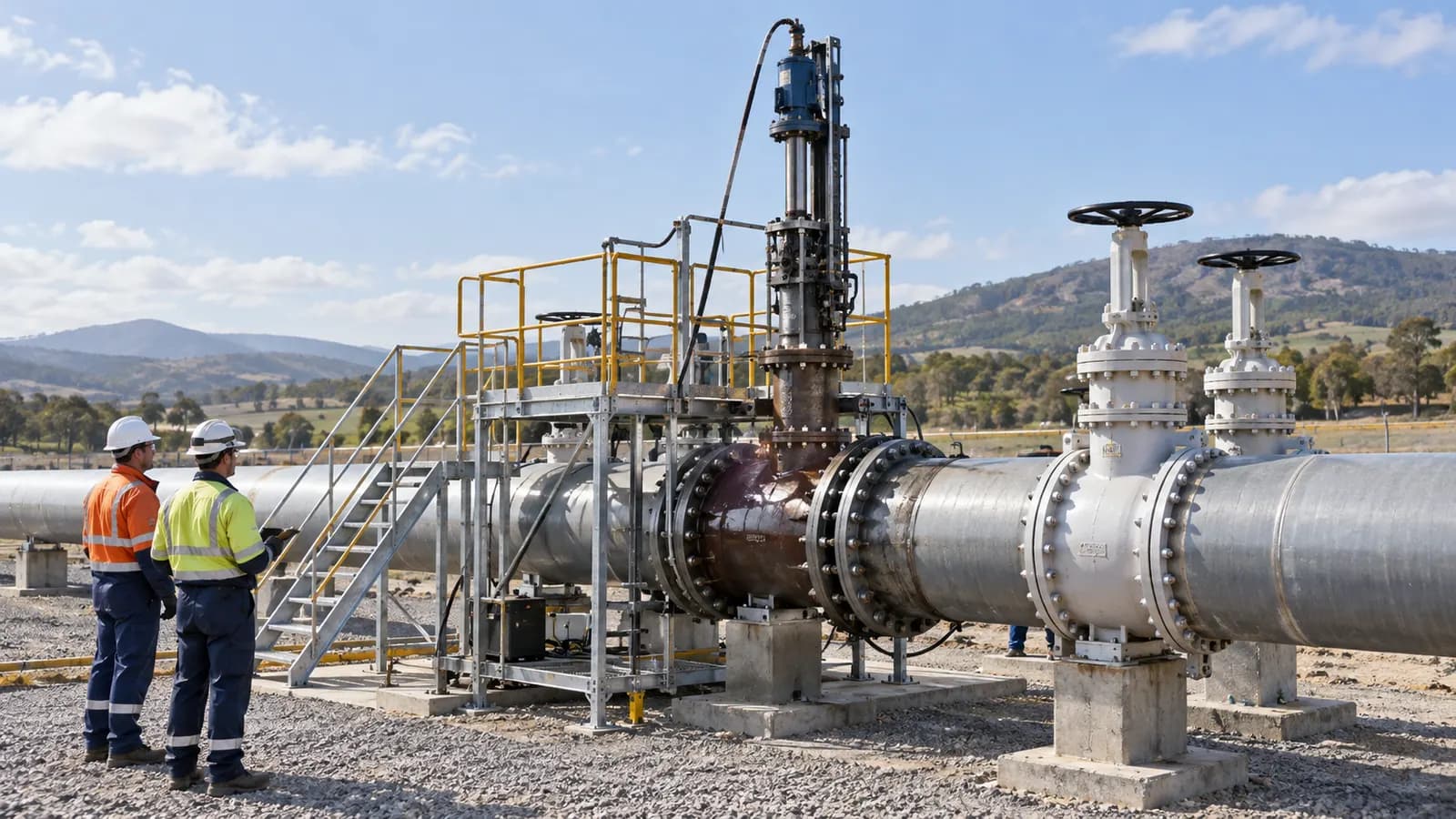
Divide the asset into connected purchasing scopes
Start a pipeline or terminal enquiry with a boundary drawing rather than one undifferentiated equipment list. Identify the transmission section, station piping, storage area and loading connection involved. Give each purchase a location and asset reference that can also appear on drawings, inspection records and quotations. State whether the work is a new installation, a replacement or an assessment of an existing asset. A valve at a station, a mainline inspection tool and a terminal measurement package may share a project name while requiring very different technical inputs.
Record which party supplies the connecting pipework, electrical power, communications and civil interfaces. Identify existing equipment that will remain and the approved drawings governing its connections. For a package purchase, ask the proposal to mark its limits and external requirements on the same boundary drawing. Keep equipment supply, installation, inspection and engineering assessment as separate priced activities where their responsibilities differ. This lets the buyer see whether a low package price leaves an essential interface unpriced, without assuming that every offer includes a complete operating system.
Make the pipe and station records usable across disciplines
For line pipe, provide the specified outside diameter, wall thickness, grade, manufacturing route, lengths and end preparation. Attach the project material specification and inspection requirements, identifying the controlling revision. Distinguish ordered dimensions from measurements of an installed line. Where the request concerns an existing asset, assemble available construction records, weld information, repairs and coating details by section. Mark uncertain records explicitly. A nominal diameter alone does not establish the internal passage available for equipment or the geometry of a replacement connection.
For pumping or compression stations, describe the handled fluid, relevant flow cases and the inlet and outlet conditions at the proposed package boundary. Include driver supply, installation constraints and the required connection drawings. Separate normal duty from the design conditions used by the responsible engineer. At interfaces with tanks or loading systems, retain a common set of stream and equipment identifiers across documents. If a proposal changes the assumed duty or configuration, record that deviation before comparing price; similar connection sizes do not make two packages technically equivalent.
Specify the inspection question before selecting a tool
A request for pipeline inspection should explain what evidence the operator needs. Geometry measurement, metal-loss assessment and crack assessment address different questions, and a cleaning tool does not provide the same information as an instrumented inspection tool. Request a stated inspection capability against the identified concern, including limitations and the conditions on which that capability depends. Provide the available pipe material, thickness and geometry records. Avoid turning a generic tool description into a claim that every relevant defect will be detected and sized in an unidentified line.
Ask the proposed inspection scope to account for bends, restrictions, valves, changes of diameter and available access arrangements using the operator's controlled records. Identify who reviews suitability, supplies preparation work and accepts the inspection data. Request the intended reporting structure, location reference, stated measurement uncertainty or performance basis, and treatment of incomplete coverage. Keep the inspection report distinct from an engineering decision about continued service or repair. Any operating plan, isolation arrangement or pressure-test procedure belongs to qualified project personnel under the operator's approvals, rather than being inferred from the purchasing description.
Treat terminal transfer and inventory measurement as separate duties
At a terminal, identify whether a measurement is for commercial transfer, allocation, operational indication or tank inventory. State the reported quantity, product properties, relevant operating range and the receiving system's requirements. A tank-level instrument and a transfer meter belong to different measurement arrangements; one should not be substituted for the other on the basis of a shared accuracy headline. For a metering skid, ask which instruments, computation functions, verification provisions and records are included. The project's measurement specialist should define the acceptance basis appropriate to the stated duty.
Loading equipment needs a defined physical interface and movement envelope as well as product conditions. Supply the connection drawings and identify the shutdown, permissive and communication interfaces already approved by the project. For tank work, distinguish inventory gauging from the specified overfill-protection scope and state the independence requirements established by the design. Ask the offer to identify external components and installation responsibilities. Do not assume that a transfer arm, hose, gauge or controller supplied alone establishes the performance or protection of the complete loading and storage arrangement.
Close the enquiry with a connected evidence schedule
Build an acceptance schedule that follows the purchase boundaries: material records for supplied pipe, equipment drawings and tests for station packages, defined results for inspection services, and measurement verification records for terminal systems. Name the receiving reviewer and the asset reference required on each document. Keep workshop acceptance, field verification and final engineering approval distinct. Require unresolved deviations and excluded work to remain visible in the quotation. A single statement that equipment is tested cannot demonstrate that these different deliverables have all been supplied or accepted.
Compare manufacturing lead time, document review, transport and site attendance separately, including the assumptions behind an inspection or installation window. Confirm the manufacturing country of supplied goods independently of the dispatch point or service location. Ask for preservation, storage and handover requirements that suit the actual delivery sequence. Send the boundary drawings, pipe records and requirement schedule to Oillinko for manual review and enquiry coordination. The resulting response should identify priced scope and remaining questions, rather than imply that a sector listing confirms stock, approved inspection coverage or a complete pipeline and terminal solution.