
Oillinko Insights
Oil & Gas Equipment, Services & Procurement Blog
Practical guides for equipment buyers, engineers and traders. Explore specifications, field service scopes, quality evidence and the decisions behind a complete enquiry.
By OillinkoUpdated

Published articles
99 published articles in the knowledge library.
· 10 min read
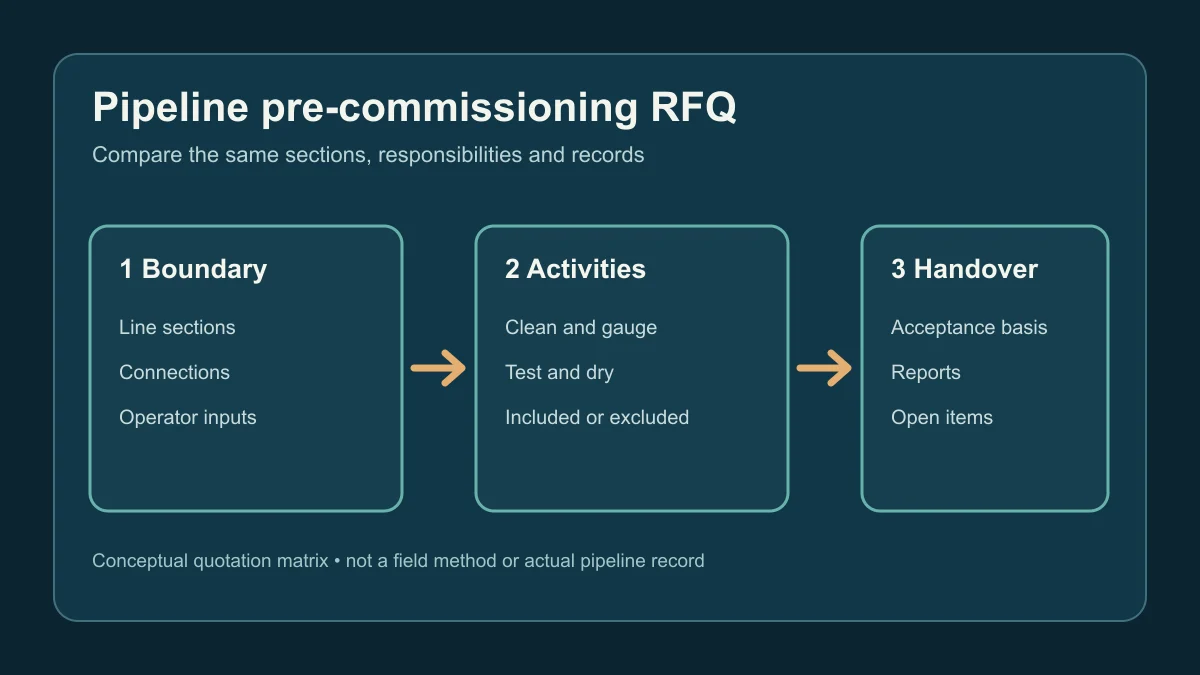
Pipeline Pre-commissioning Service RFQs: Scope, Boundaries and Handover
Compare cleaning, gauging, testing and drying offers using the same boundaries and deliverables.
Read article →
· 9 min read
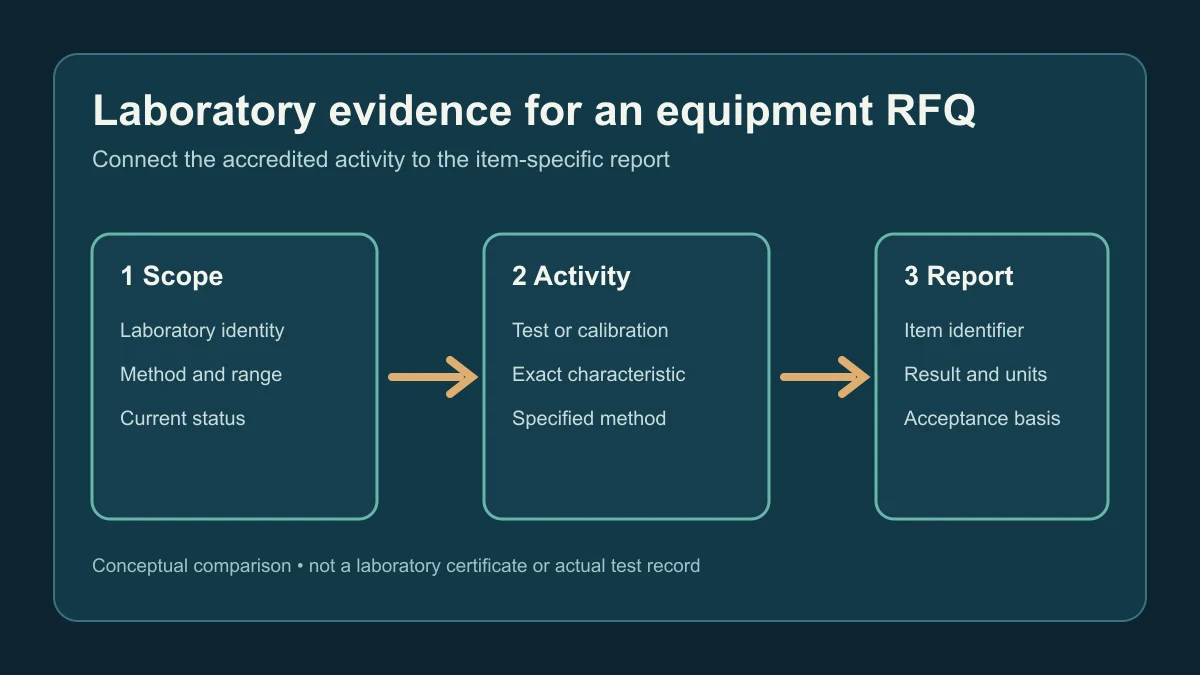
ISO/IEC 17025 Laboratory Scope and Test Reports: An Equipment RFQ Guide
Verify the laboratory's current accredited activity and connect its report to the exact ordered item.
Read article →
· 9 min read
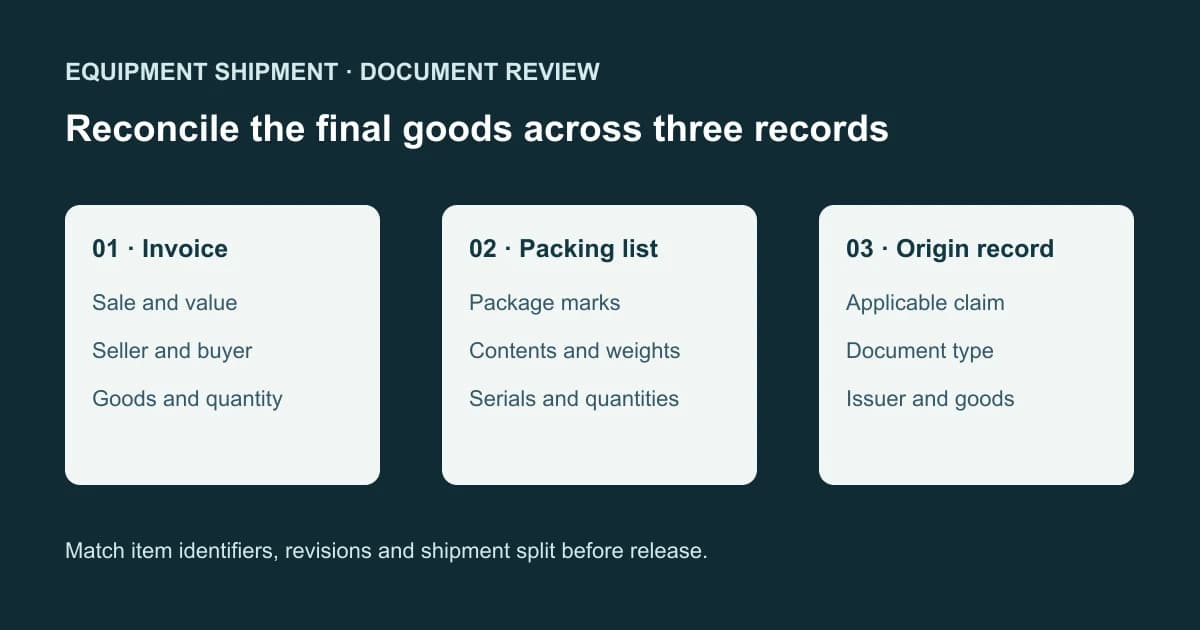
Commercial Invoice, Packing List and Origin Certificate: Reconcile an Equipment Shipment
Match the sale, physical packages and origin claim to the same final equipment.
Read article →
· 8 min read
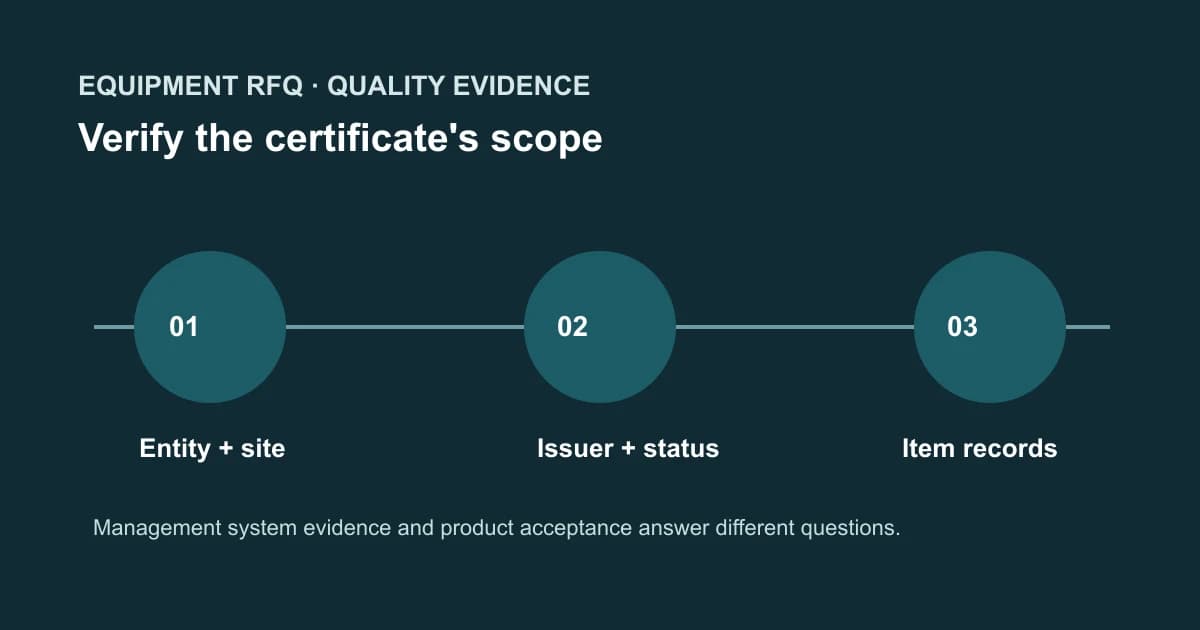
ISO 9001 Certificate Verification in an Equipment RFQ
Check the certified entity, scope and status without confusing system certification with item acceptance.
Read article →
· 8 min read
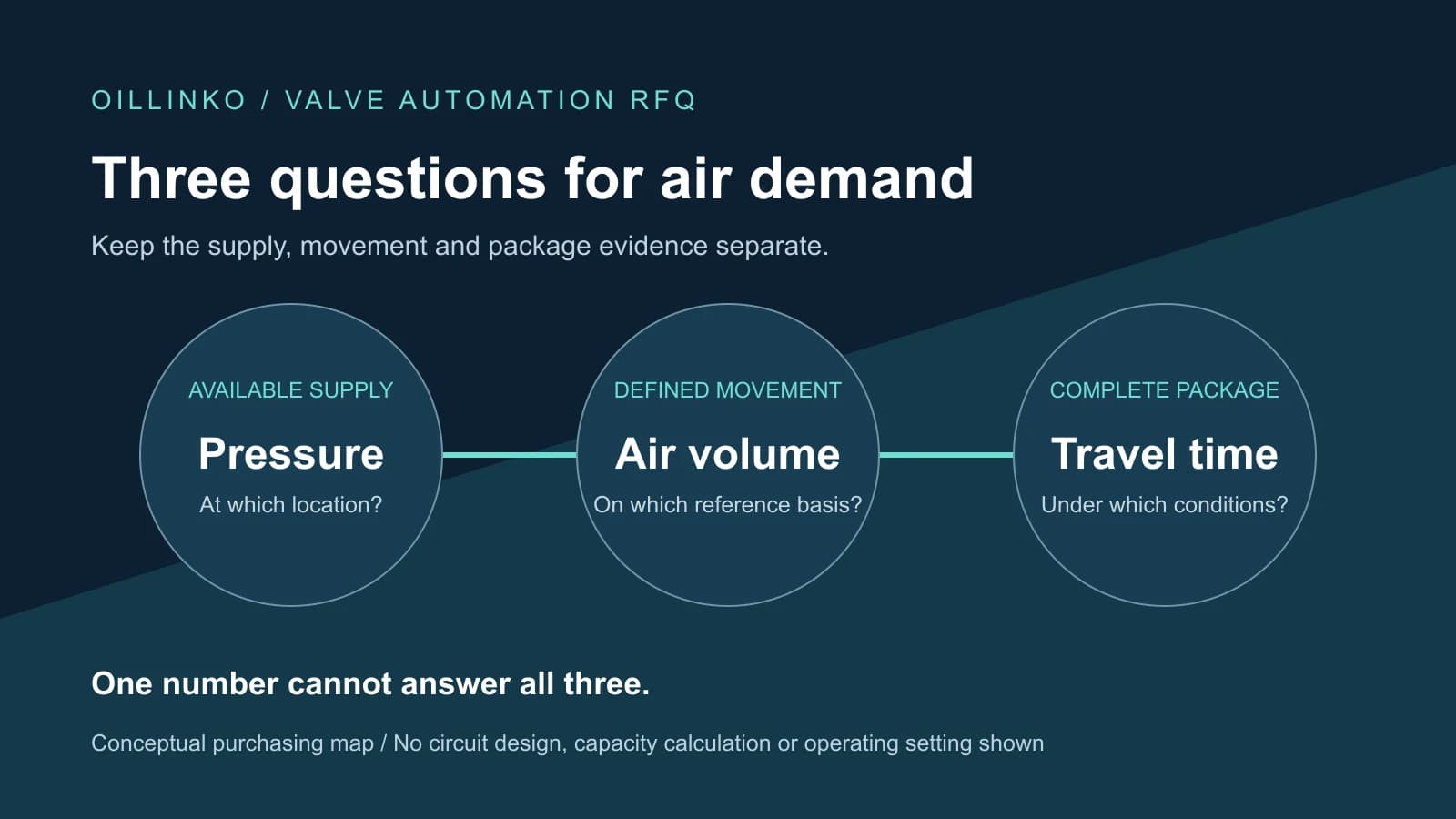
Pneumatic Actuator Air Demand: Pressure, Volume and Stroke Time in an RFQ
Separate supply conditions, air consumed per movement and the complete package performance evidence.
Read article →
· 8 min read
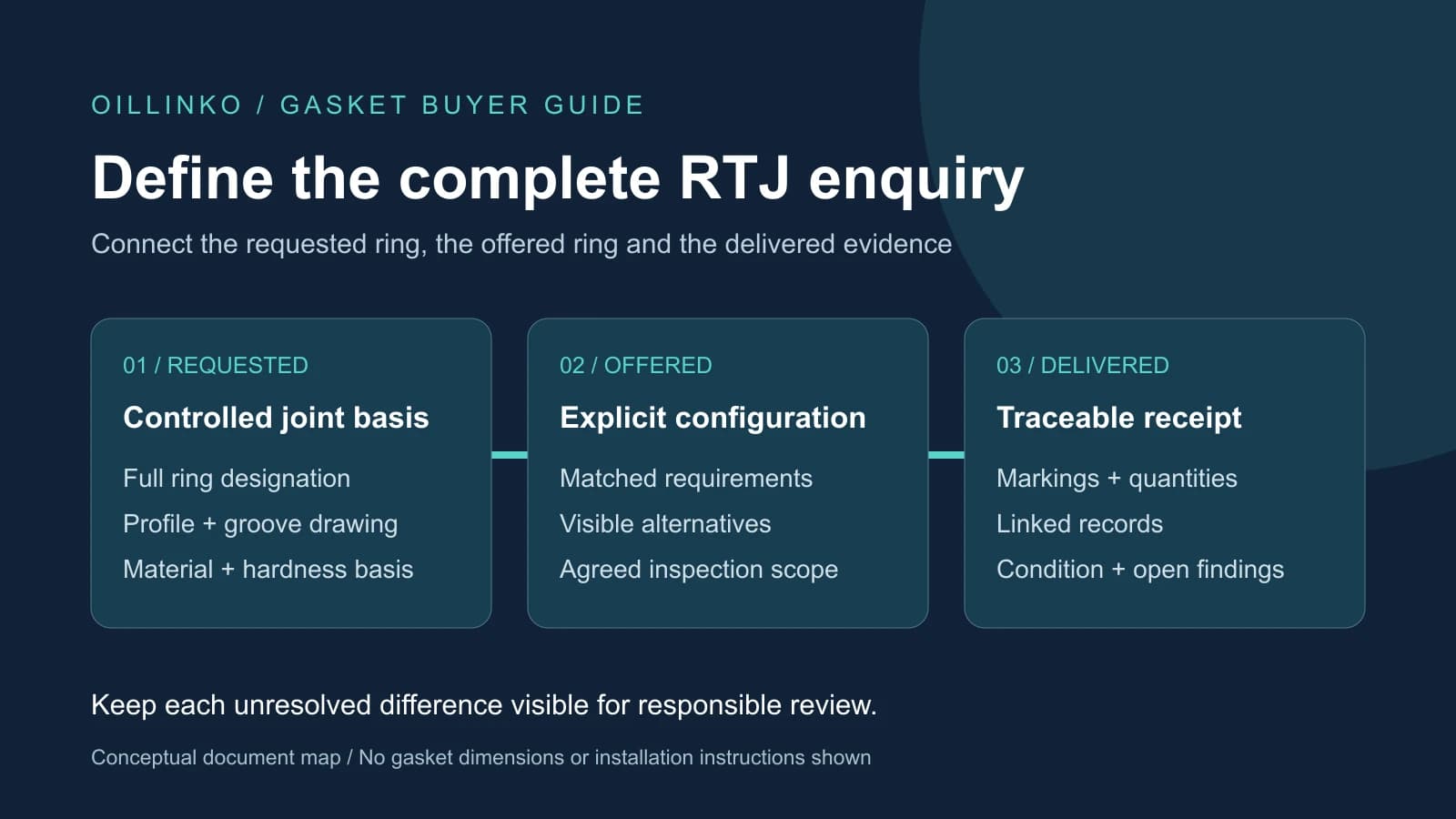
RTJ Gasket RFQs: Ring Number, Profile, Material and Hardness
Match a ring-joint gasket enquiry to the approved groove and a traceable material requirement.
Read article →
· 8 min read
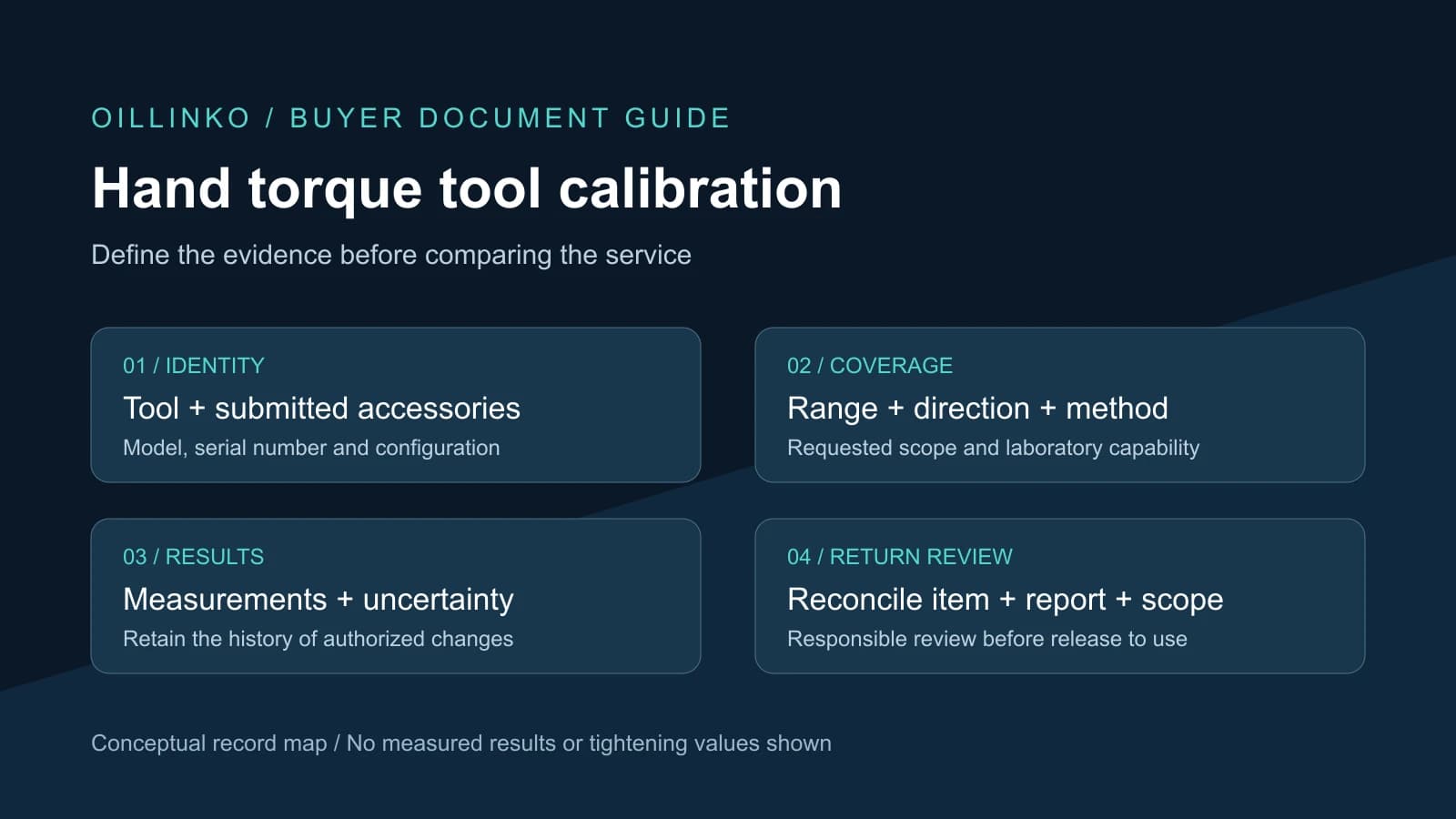
Hand Torque Tool Calibration RFQs: Range, Direction and Records
Define the tool, measurement coverage and records before comparing a calibration service.
Read article →
· 8 min read
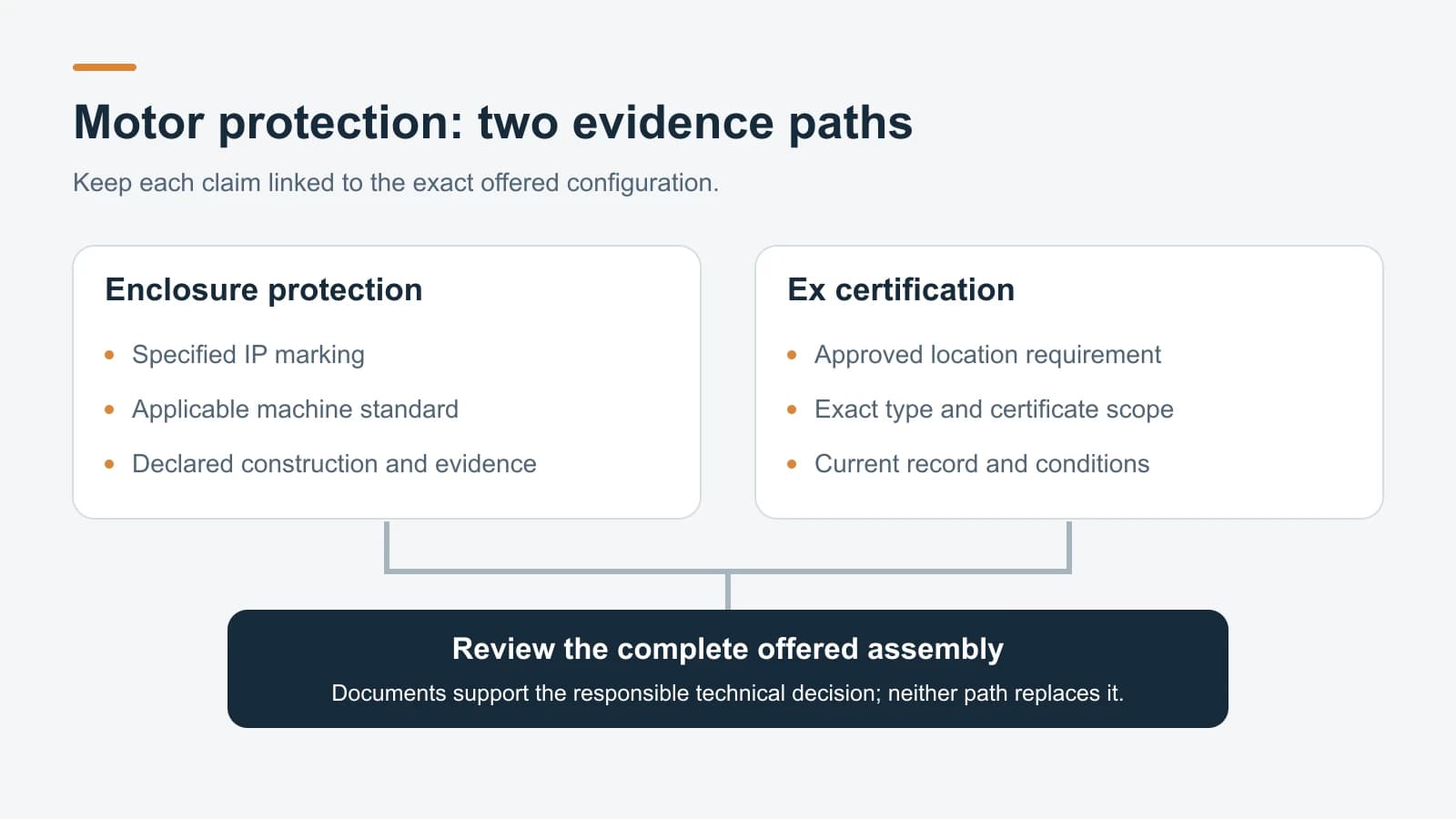
Motor IP Ratings vs Ex Certification: What an RFQ Must Separate
Keep enclosure protection and hazardous-area certification as separate evidence paths in a motor quotation.
Read article →
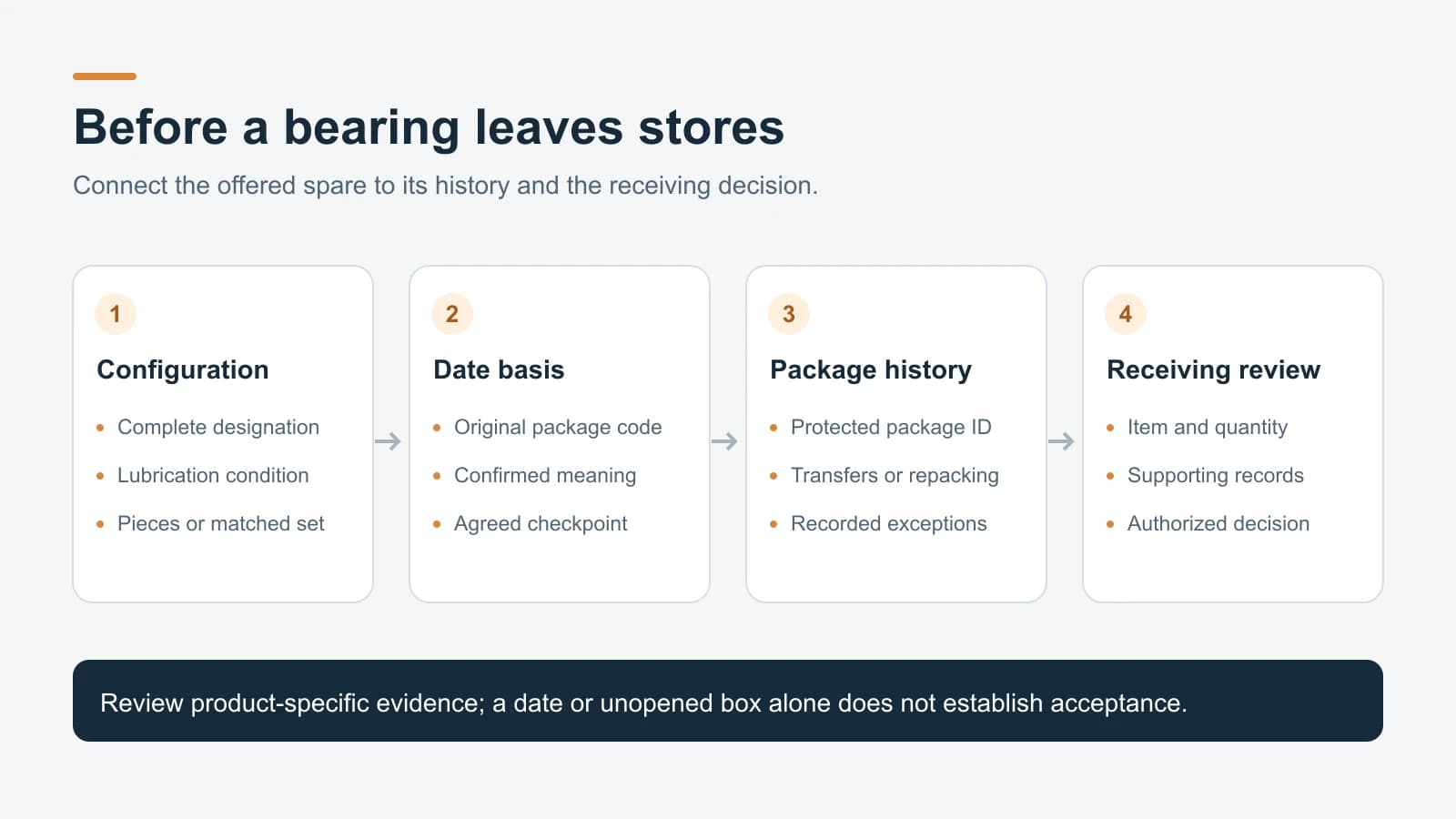
· 8 min read
Bearing Storage Before Installation: Shelf Life and Receiving Records
Connect a stored bearing to its package, date basis, custody history and receiving decision.
Read article →
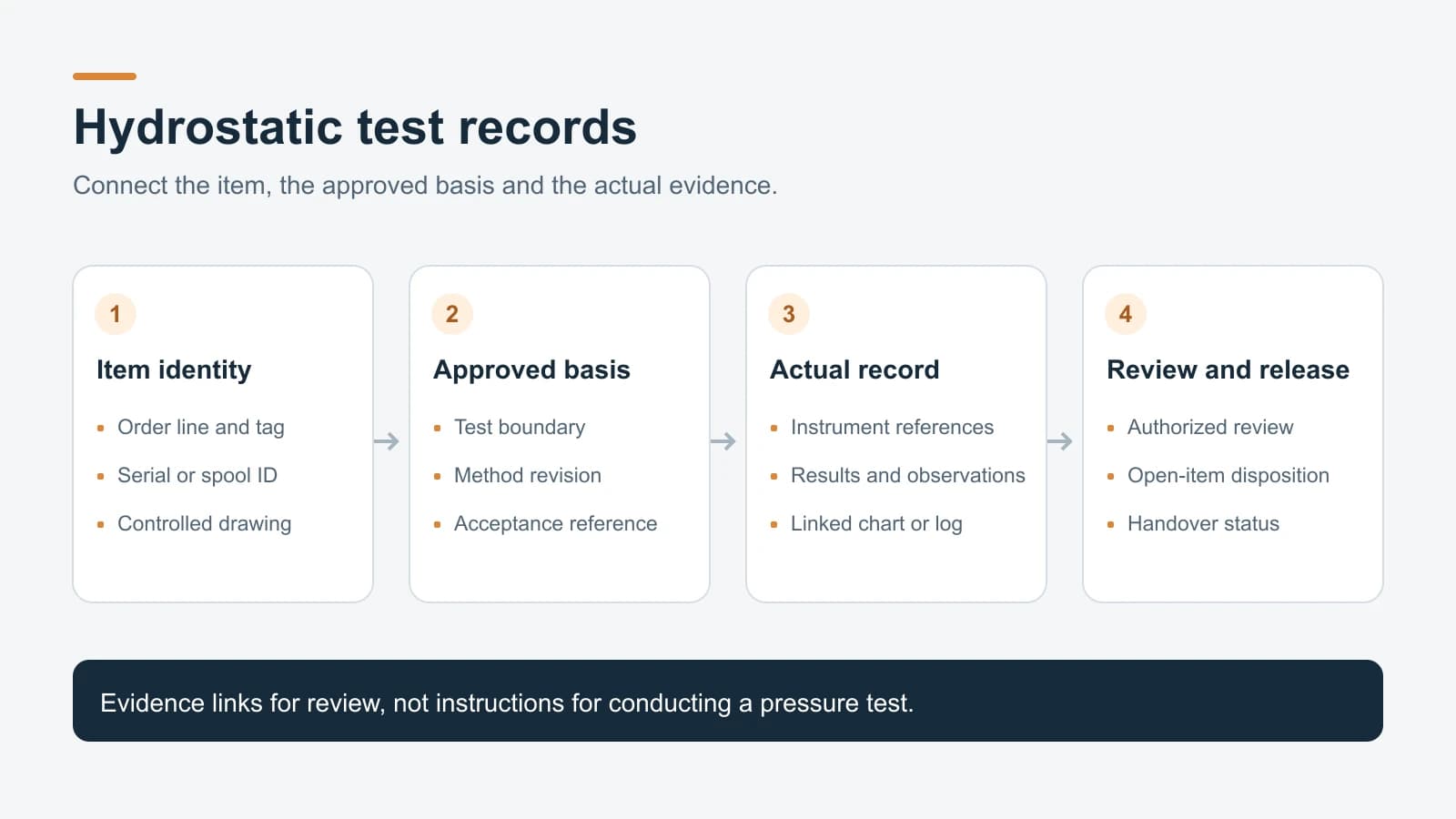
· 8 min read
Hydrostatic Test Reports: Boundary, Acceptance and Traceability
Connect a pressure-test record to the exact item, approved boundary, measurement evidence and acceptance decision.
Read article →
· 7 min read
Coriolis Flowmeter Replacement RFQs: Process, Fit and Signal Interfaces
Compare replacement meter offers against the measured duty, sensor and transmitter scope, piping fit and control-system signals.
Read article →

· 7 min read
Line-Stopping Service RFQs: Pipe Data, Isolation Scope and Handover
Give specialists a reviewable line condition, isolation objective, responsibility split and records requirement before comparing offers.
Read article →
· 7 min read
Piping Spool Dimensional Inspection RFQs: Drawings, Tolerances and Records
Define critical spool dimensions, drawing revisions, inspection stages and traceable handover evidence before comparing offers.
Read article →

· 7 min read
Coating Holiday Testing RFQs: Coverage, Acceptance and Repair Records
Define coating continuity inspection coverage and connect each finding with repair, reinspection and release evidence.
Read article →
· 6 min read
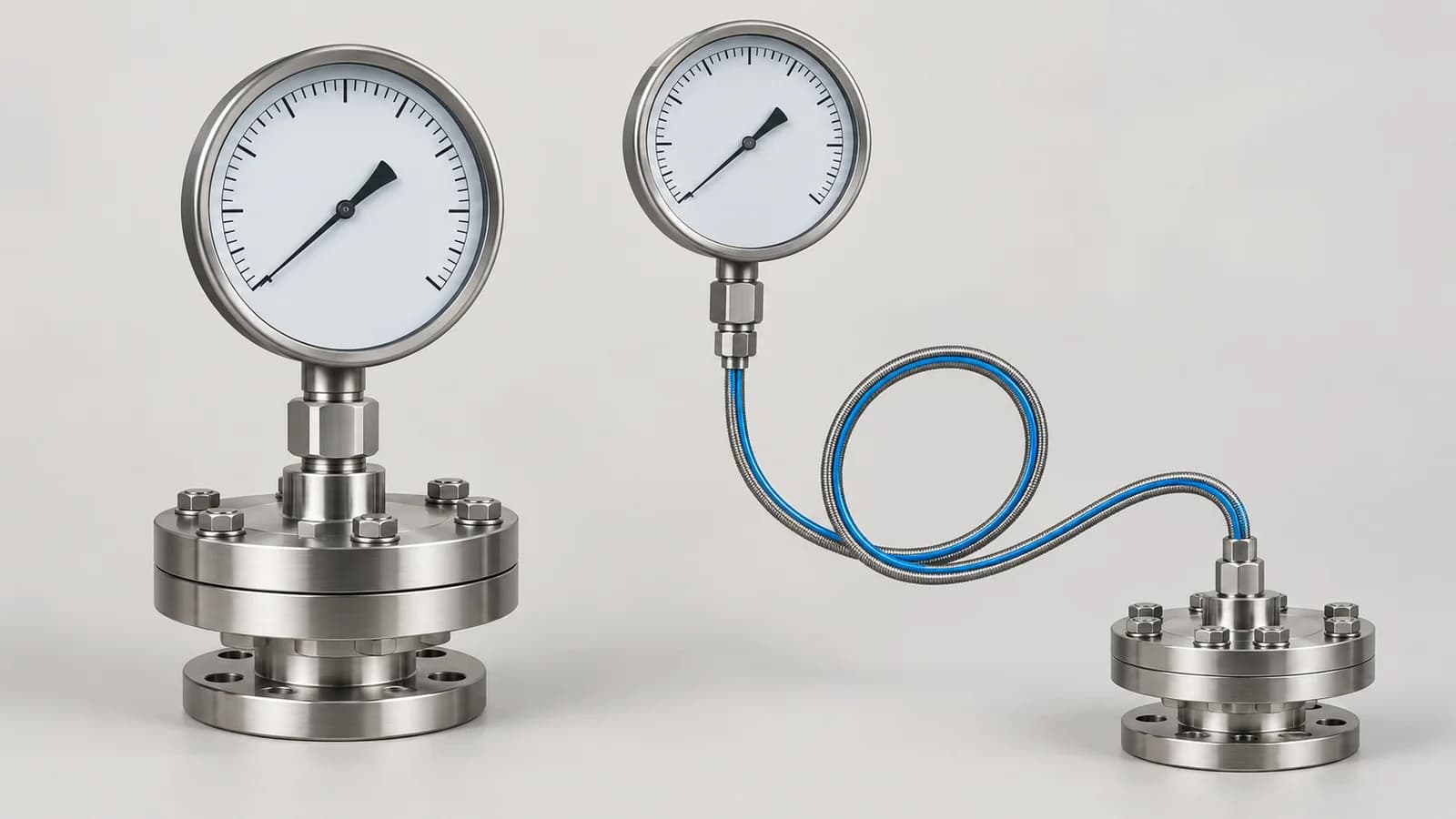
Diaphragm Seal Pressure Instrument RFQs: Define the Complete System
Specify the filled seal, mounting arrangement and pressure instrument as one assembly before comparing quotations.
Read article →

· 6 min read
ISPM 15 Wood Packaging Marks: A Buyer's Verification Guide
Connect wood packaging marks and provider records to the actual crates, dunnage and later changes.
Read article →
· 6 min read
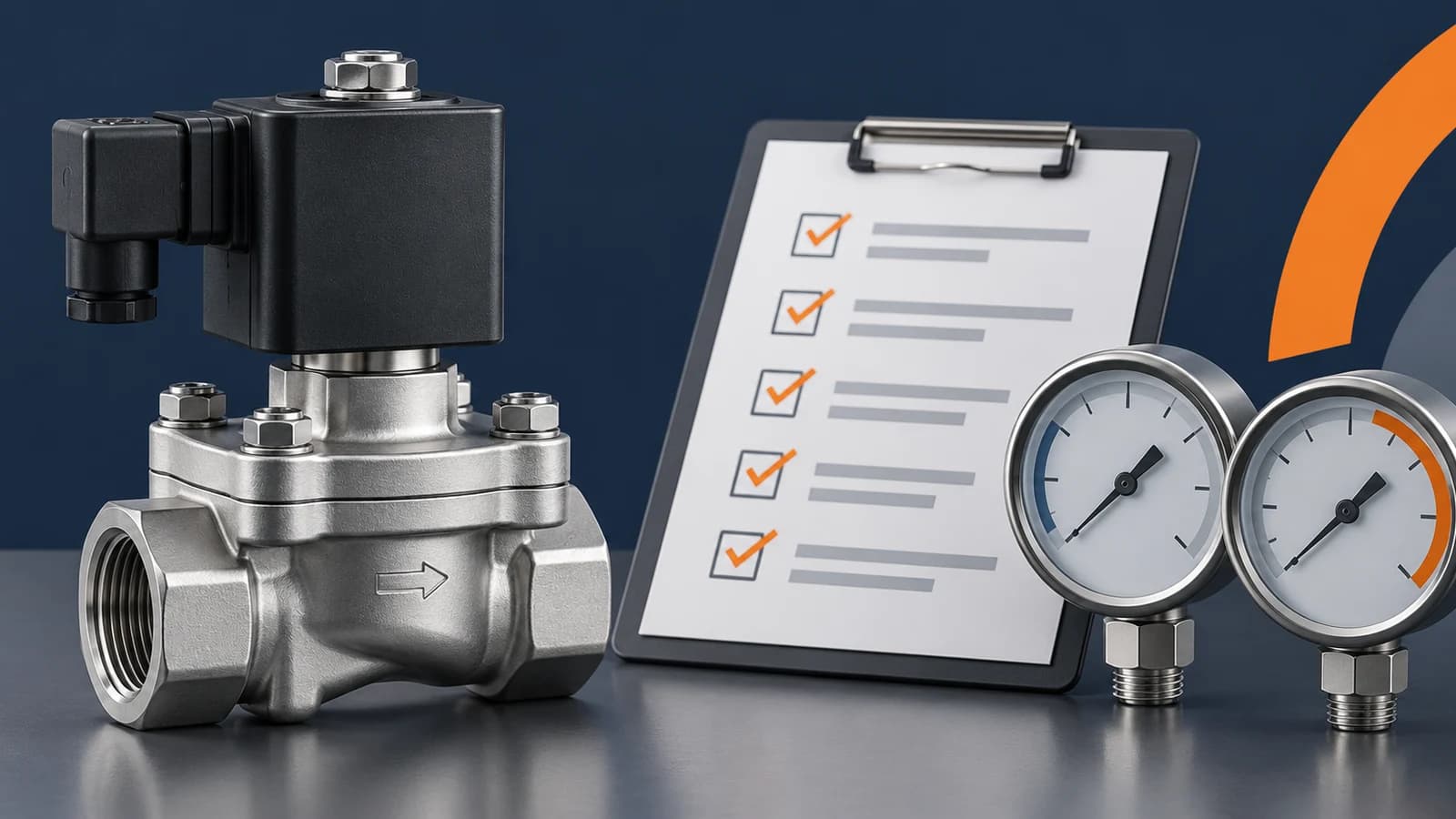
Solenoid Valve RFQs: Differential Pressure and Coil Data
Define inlet and outlet conditions, valve function and the complete coil assembly before comparing quotations.
Read article →

· 6 min read
Replacement Bearing RFQs: Full Designations, Suffixes and Supply Scope
Identify the full bearing variant and define pieces, sets and proposed alternatives before comparing quotations.
Read article →
· 6 min read
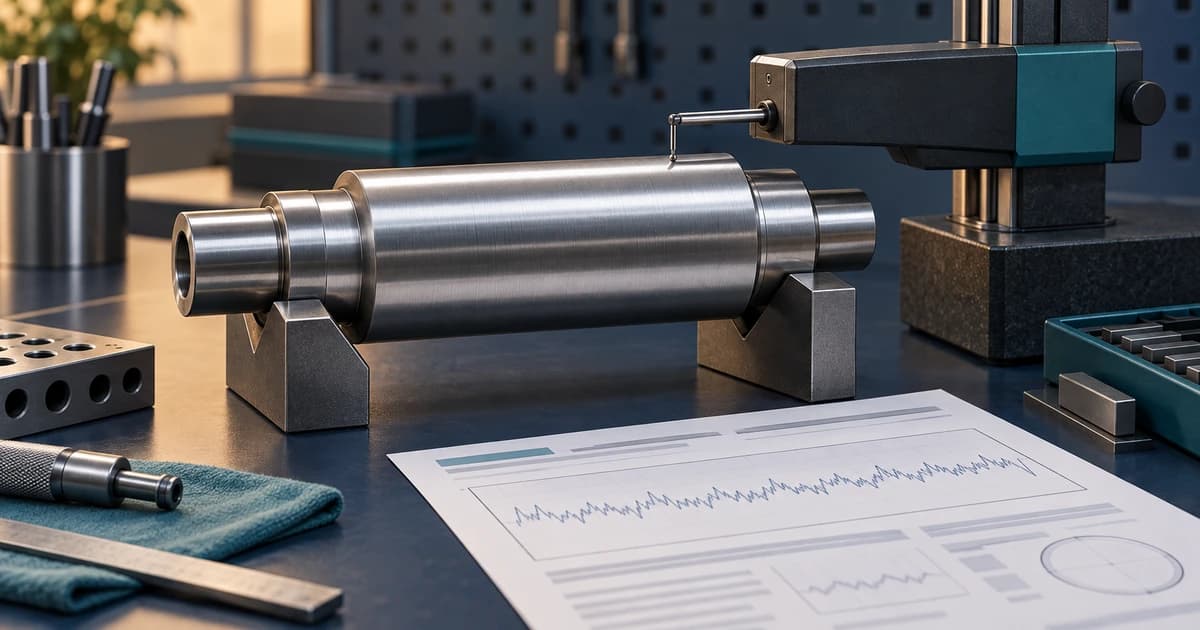
Surface Roughness Inspection Reports: Ra, Rz and the Measurement Basis
Connect machined-surface readings to the drawing, parameter, standard edition and agreed measurement conditions.
Read article →
· 7 min read
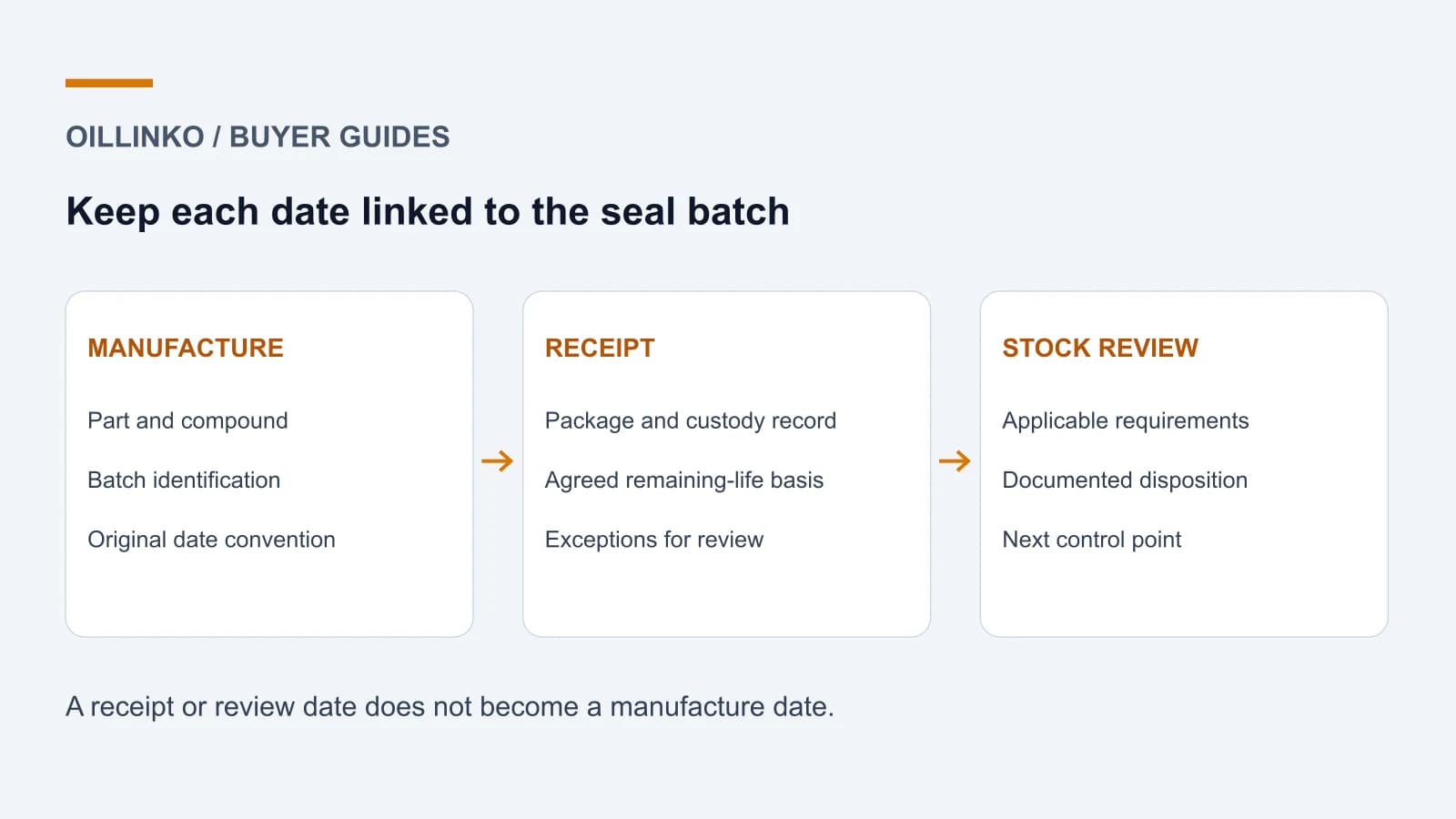
Elastomer Seal Storage and Shelf-Life Records: A Buyer's Guide
Check the identity, date basis and storage evidence behind a spare seal's stated remaining life.
Read article →
· 7 min read
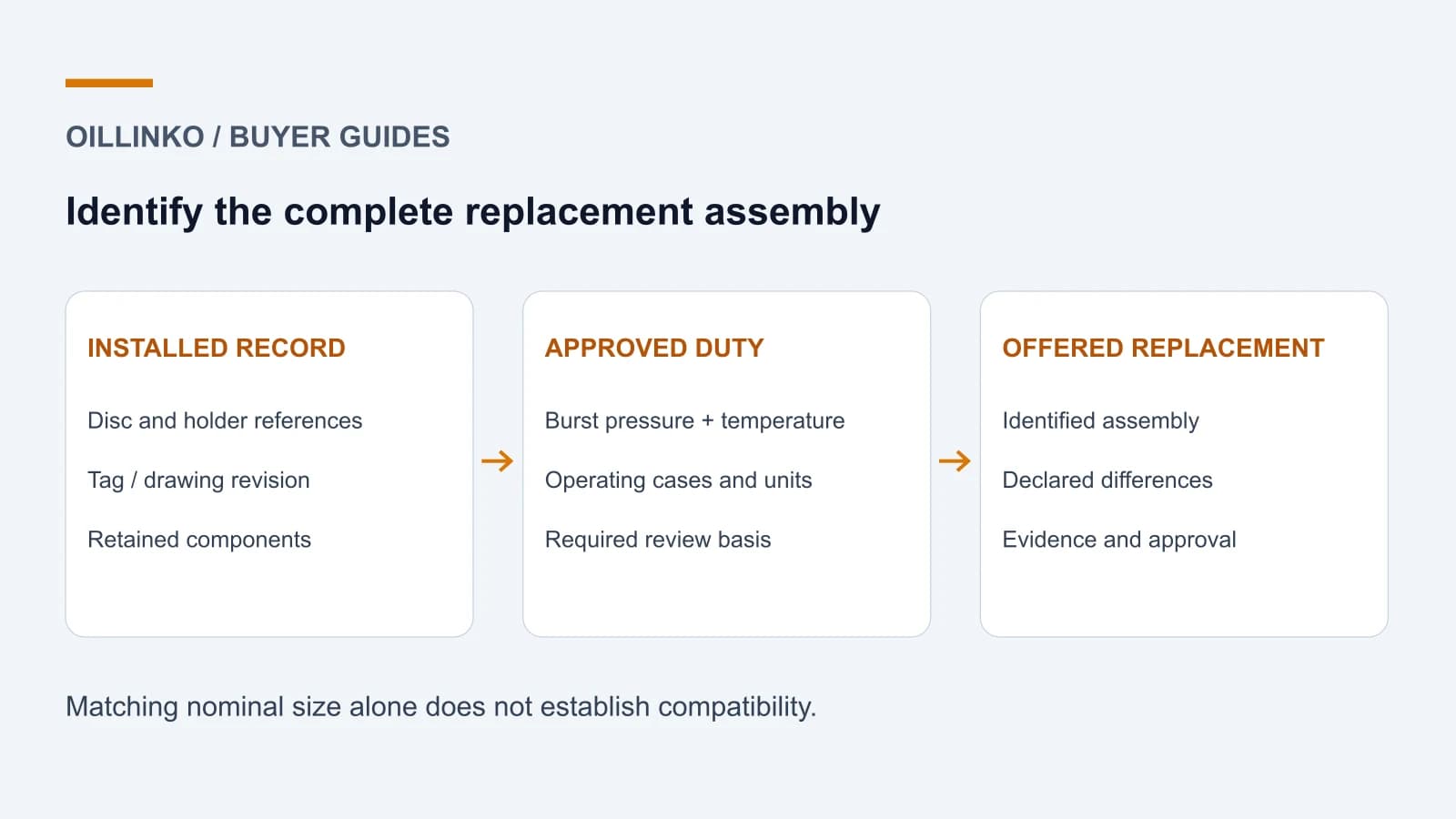
Rupture Disc Replacement RFQs: Burst Conditions and Holder Compatibility
Connect the replacement disc to its approved burst conditions, installed assembly and required evidence.
Read article →
· 6 min read
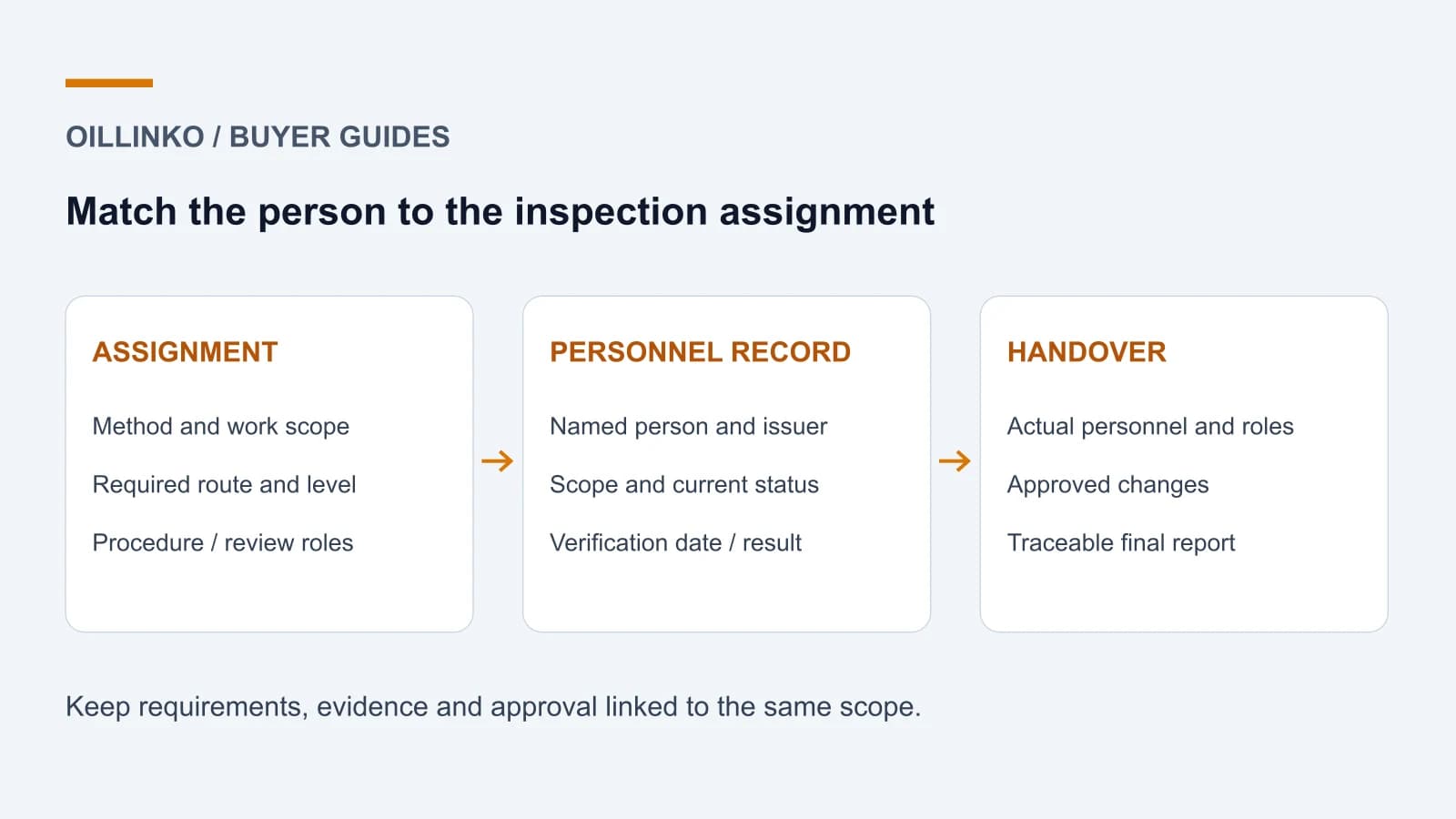
NDT Personnel Certification: An RFQ Verification Guide
Check the issuing route, method, scope and validity of personnel records against the actual inspection assignment.
Read article →
· 6 min read
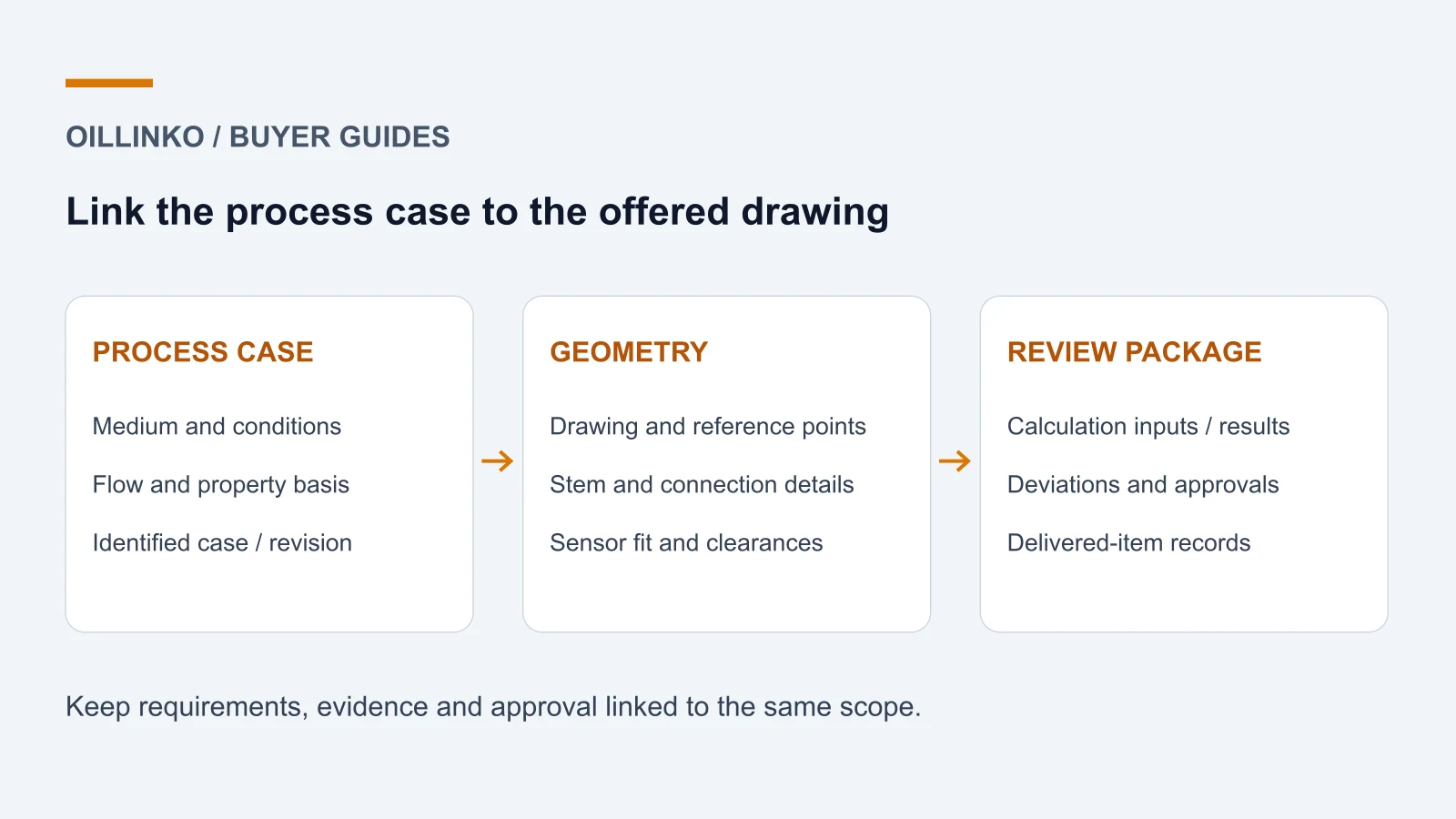
Thermowell RFQs: Process Data and Wake-Frequency Review
Connect process cases, installation dimensions and calculation evidence before ordering a thermowell.
Read article →
· 7 min read
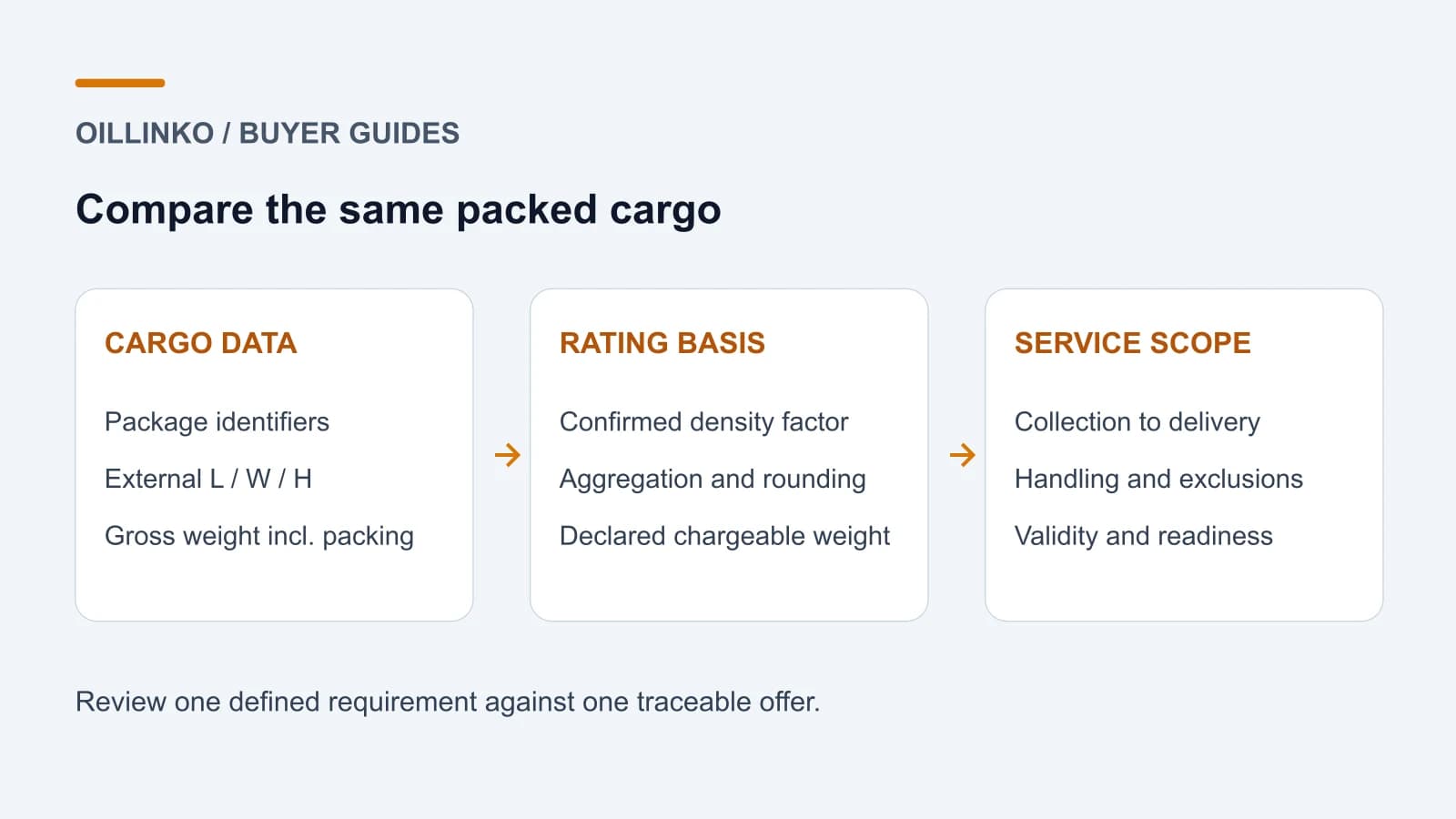
Air Freight Quotes for Equipment: Gross Weight, Volume and Package Data
Provide final package data and ask how each forwarder calculates chargeable weight and the full service price.
Read article →
· 7 min read
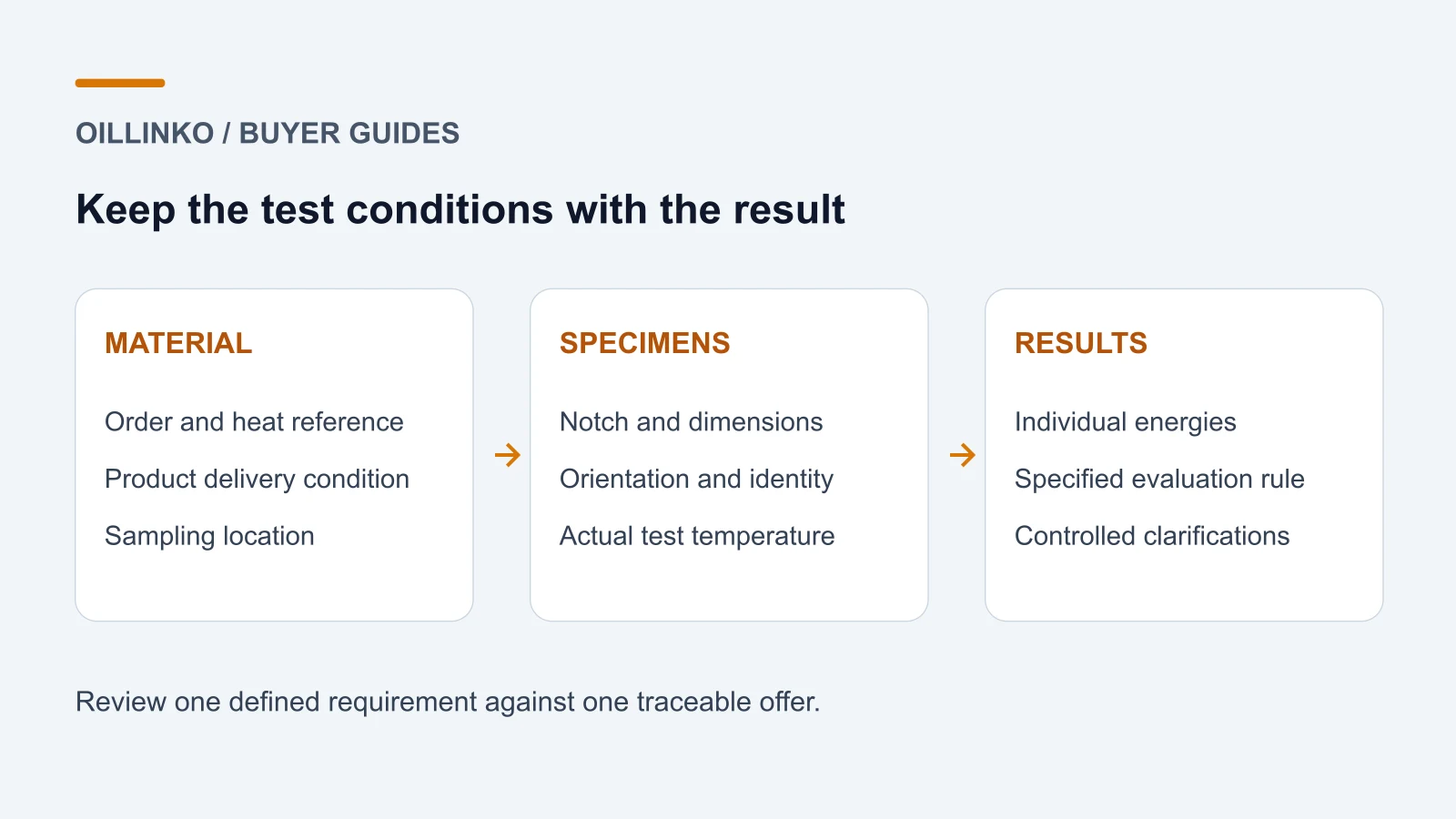
Charpy Impact Test Reports: Temperature, Specimens and Traceable Acceptance
Review impact results alongside the ordered material, test conditions and applicable acceptance requirement.
Read article →
· 7 min read
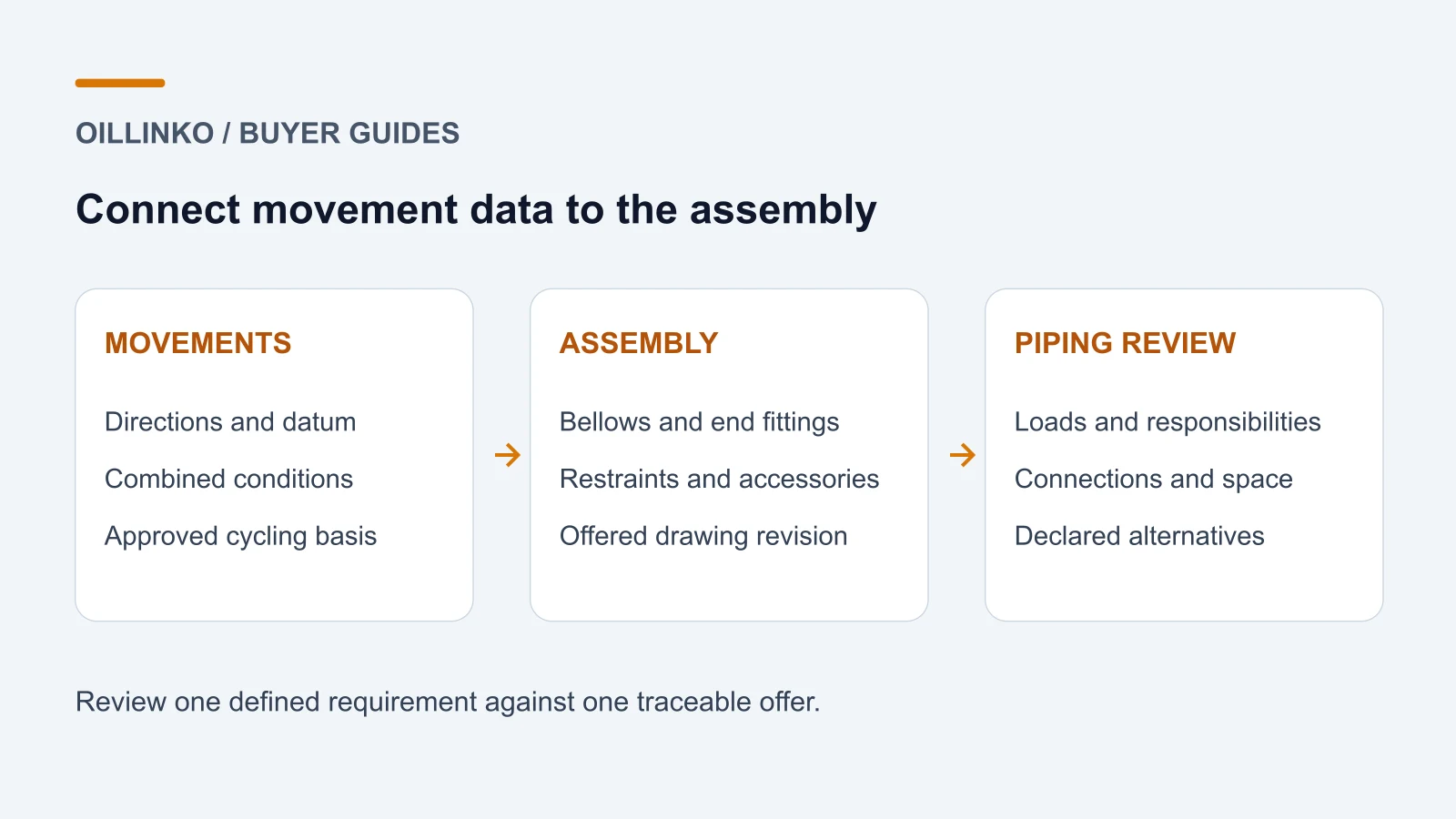
Metal Bellows Expansion Joint RFQs: Movement, Restraints and Interfaces
Specify the complete metallic bellows assembly, required movements and restraint boundary before comparing bids.
Read article →
· 7 min read
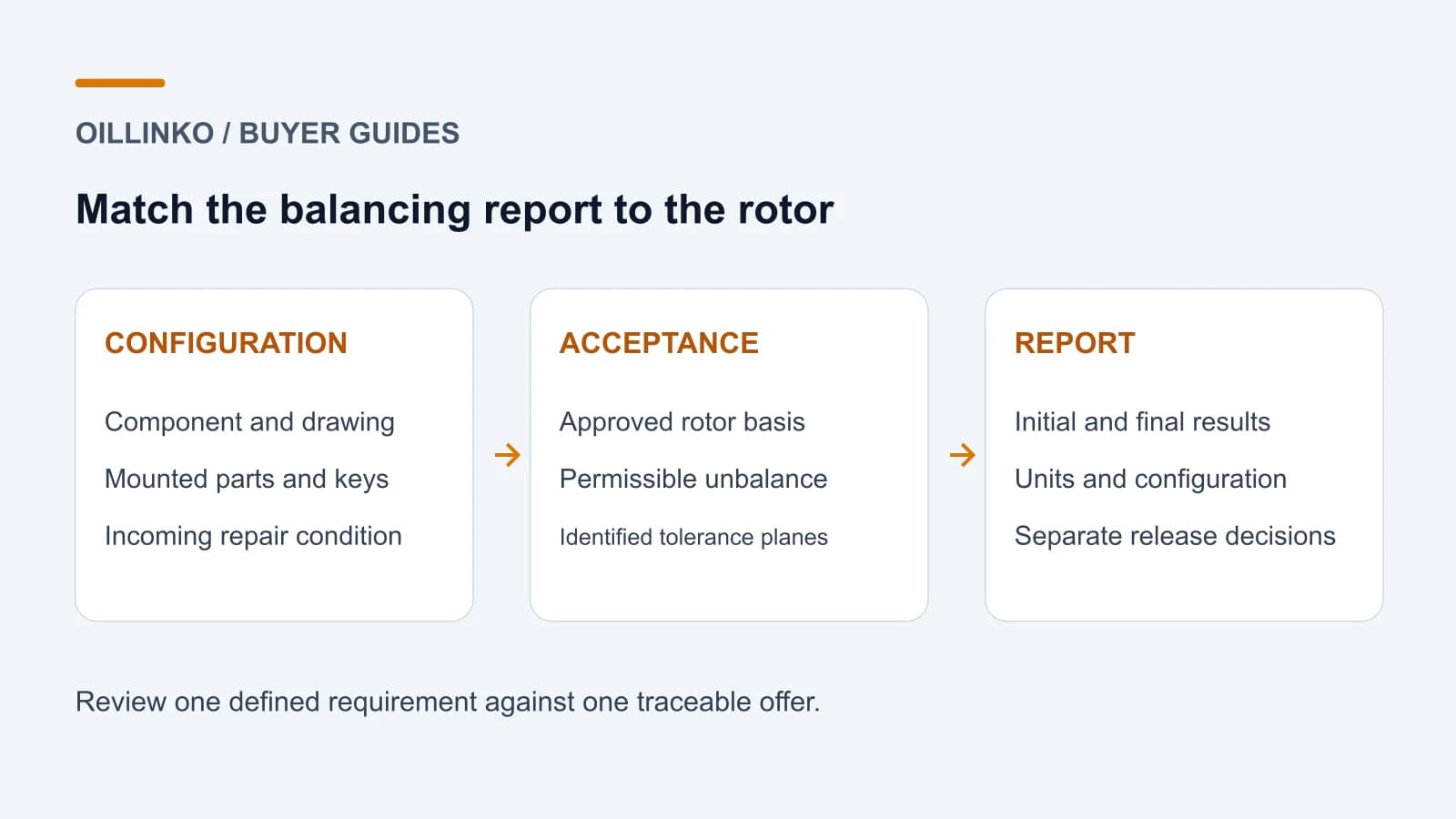
Rotor Balancing Service RFQs: Configuration, Tolerances and Reports
Define the actual rotor configuration, approved tolerance basis and traceable balancing report.
Read article →
· 6 min read
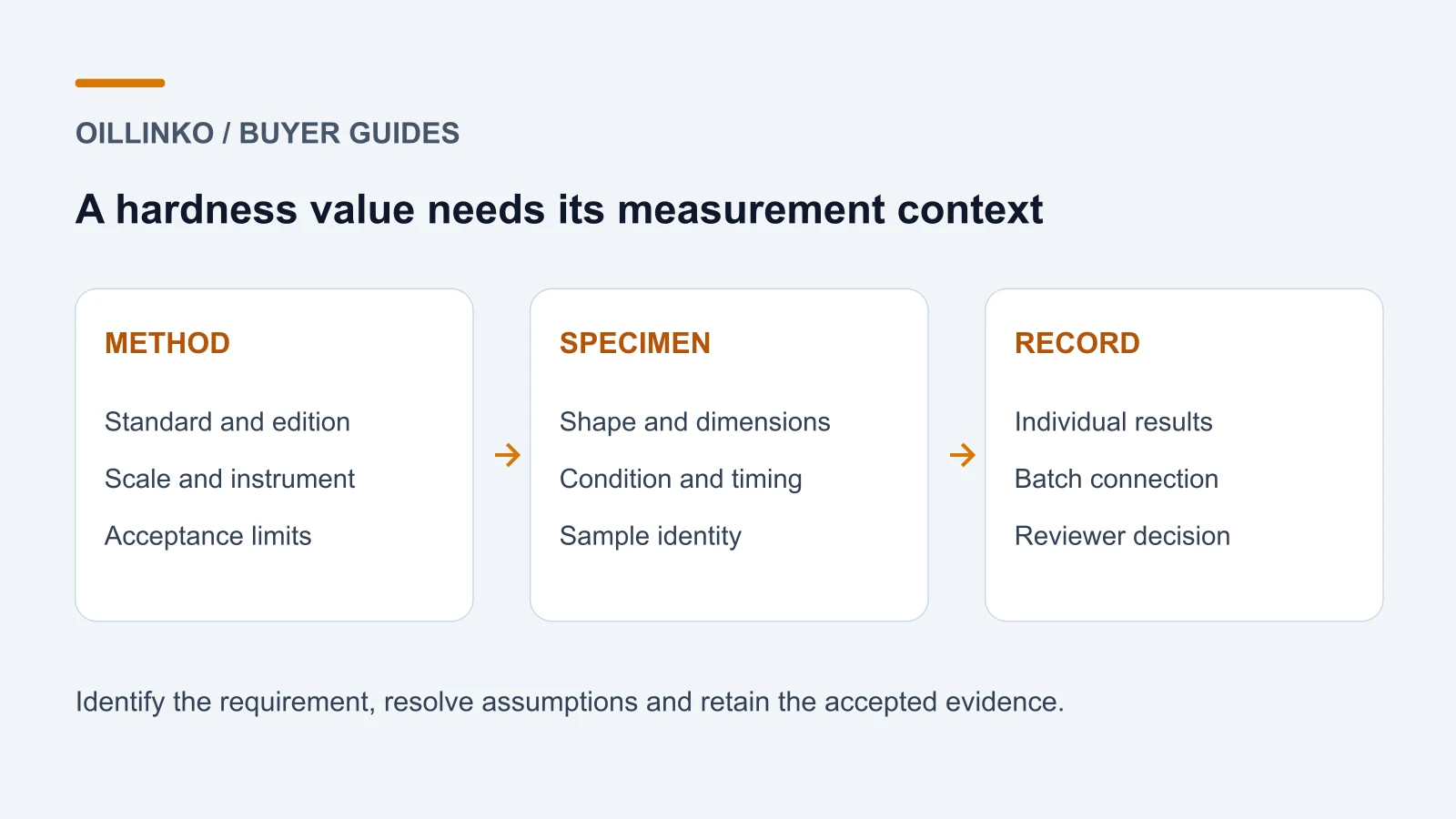
Elastomer Hardness Reports: Shore A, IRHD and Acceptance Evidence
Check the test method, specimen and traceability before accepting a rubber hardness value.
Read article →
· 6 min read
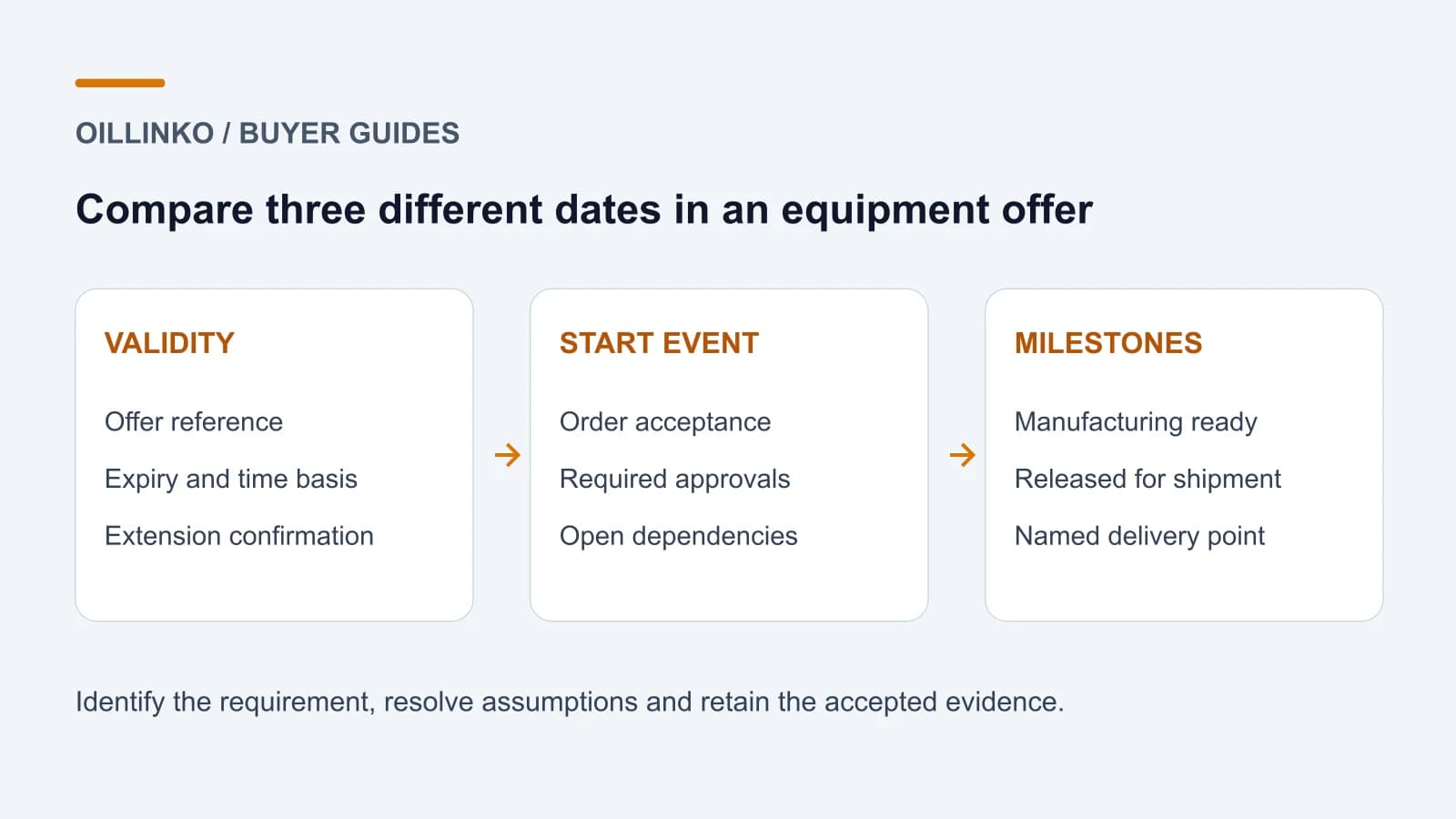
Quotation Validity vs Equipment Lead Time: Define the Dates and Milestones
Separate the offer expiry date from manufacturing readiness, shipment and final delivery commitments.
Read article →
· 6 min read
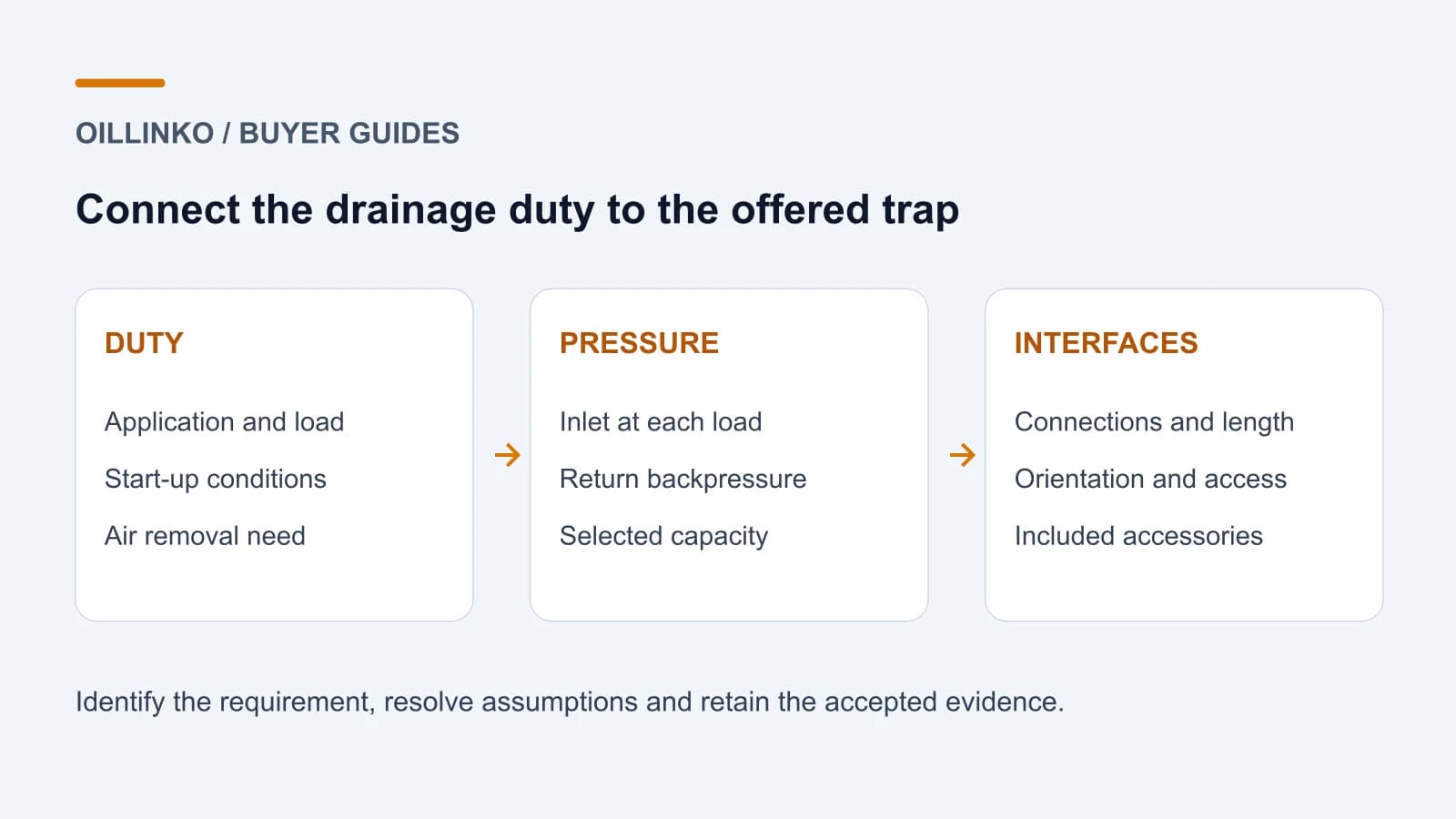
Steam Trap RFQs: Condensate Load, Differential Pressure and Connections
Specify a steam trap against its drainage duty and operating envelope rather than its pipe size alone.
Read article →
· 6 min read
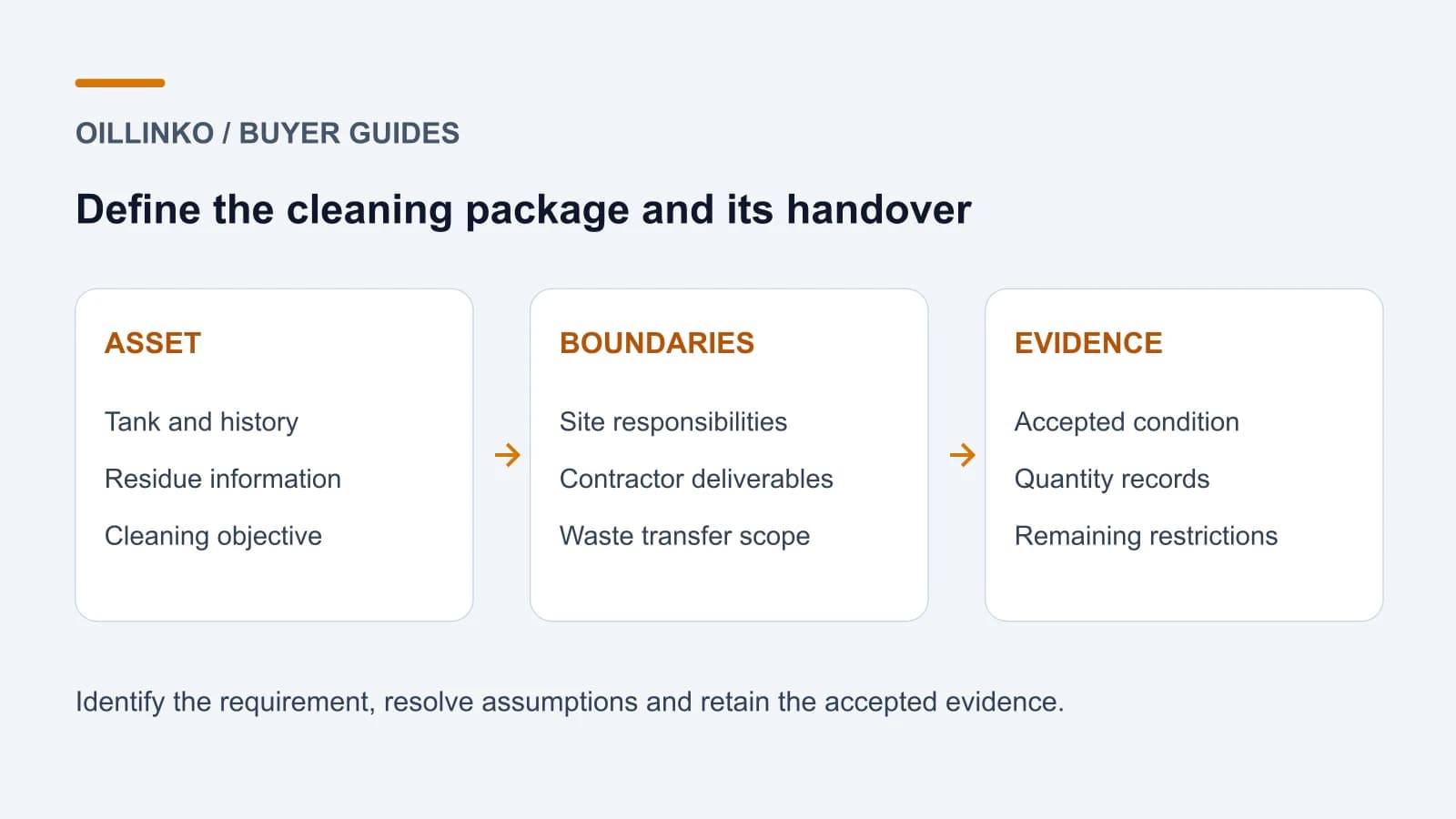
Tank Cleaning Service RFQs: Scope, Responsibilities and Waste Handover
Define the tank, cleaning objective, site interfaces and residue records before comparing contractor offers.
Read article →
· 8 min read
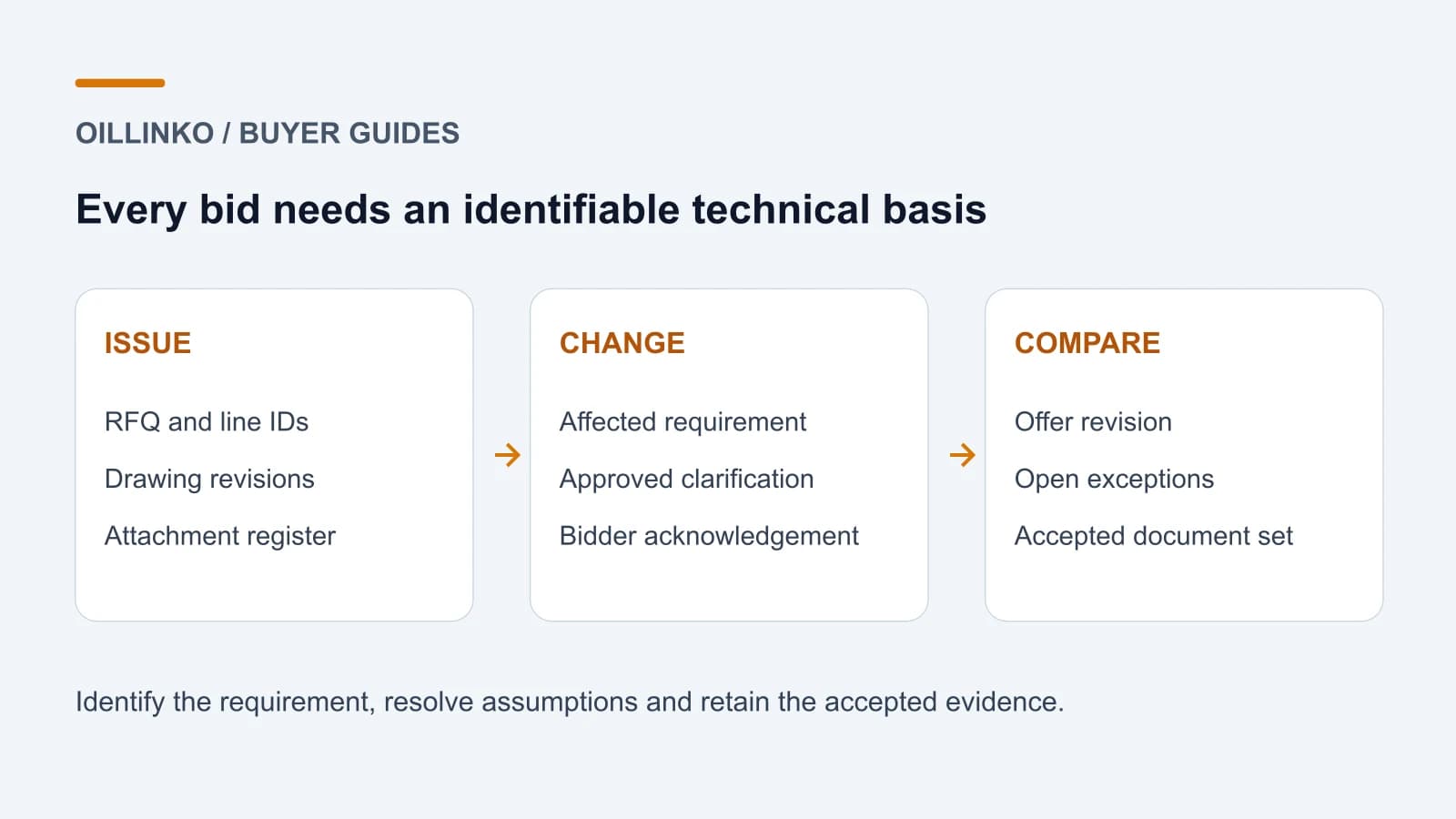
Equipment RFQ Revision Control: Keep Drawings, Clarifications and Bids Aligned
Give each bidder one identifiable technical basis and keep later changes connected to revised offers.
Read article →
· 8 min read
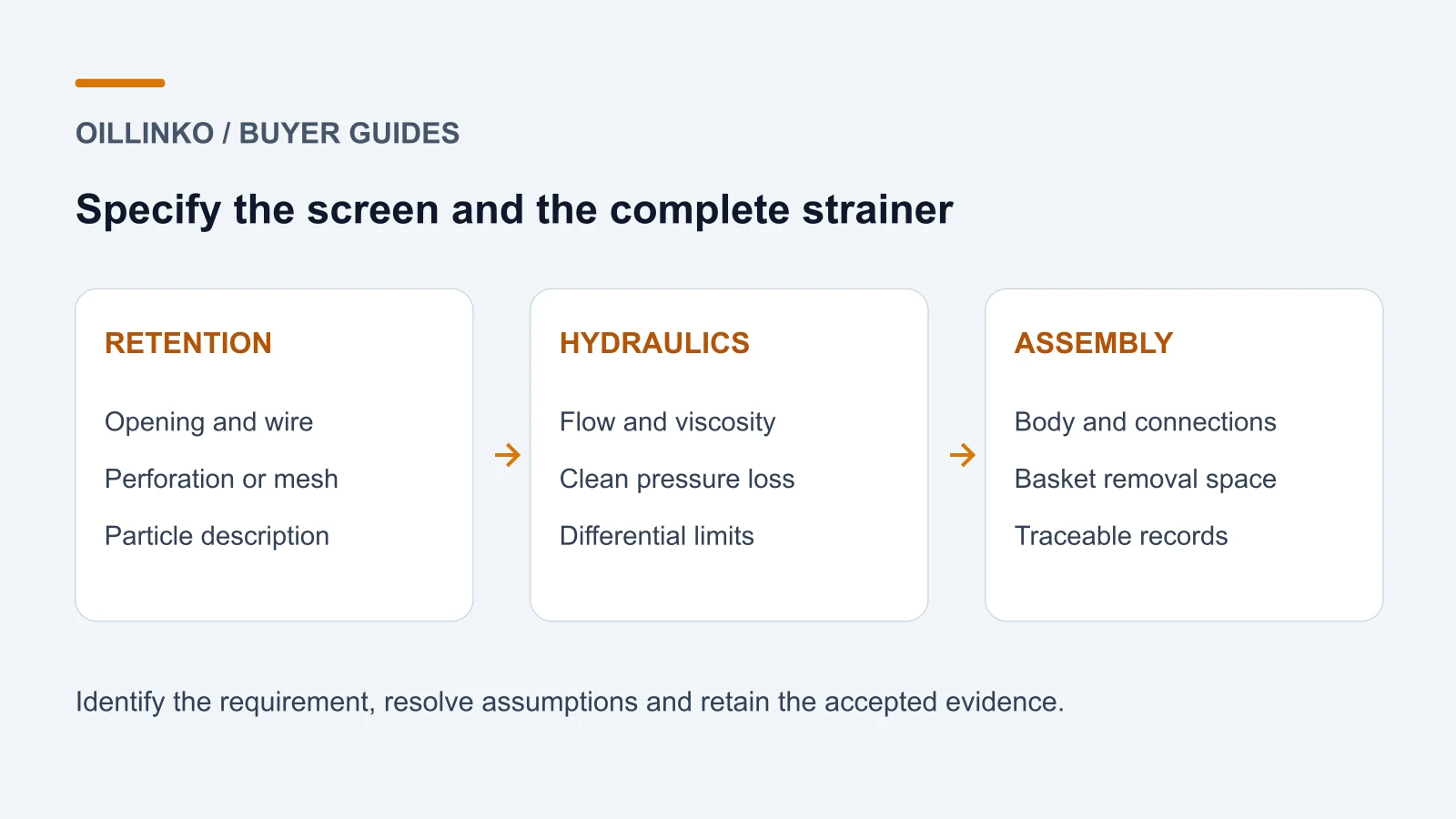
Industrial Strainer RFQs: Screen Opening, Free Area and Pressure Loss
Compare a complete strainer using particle retention, screen construction, hydraulic duty and maintenance access.
Read article →
· 8 min read
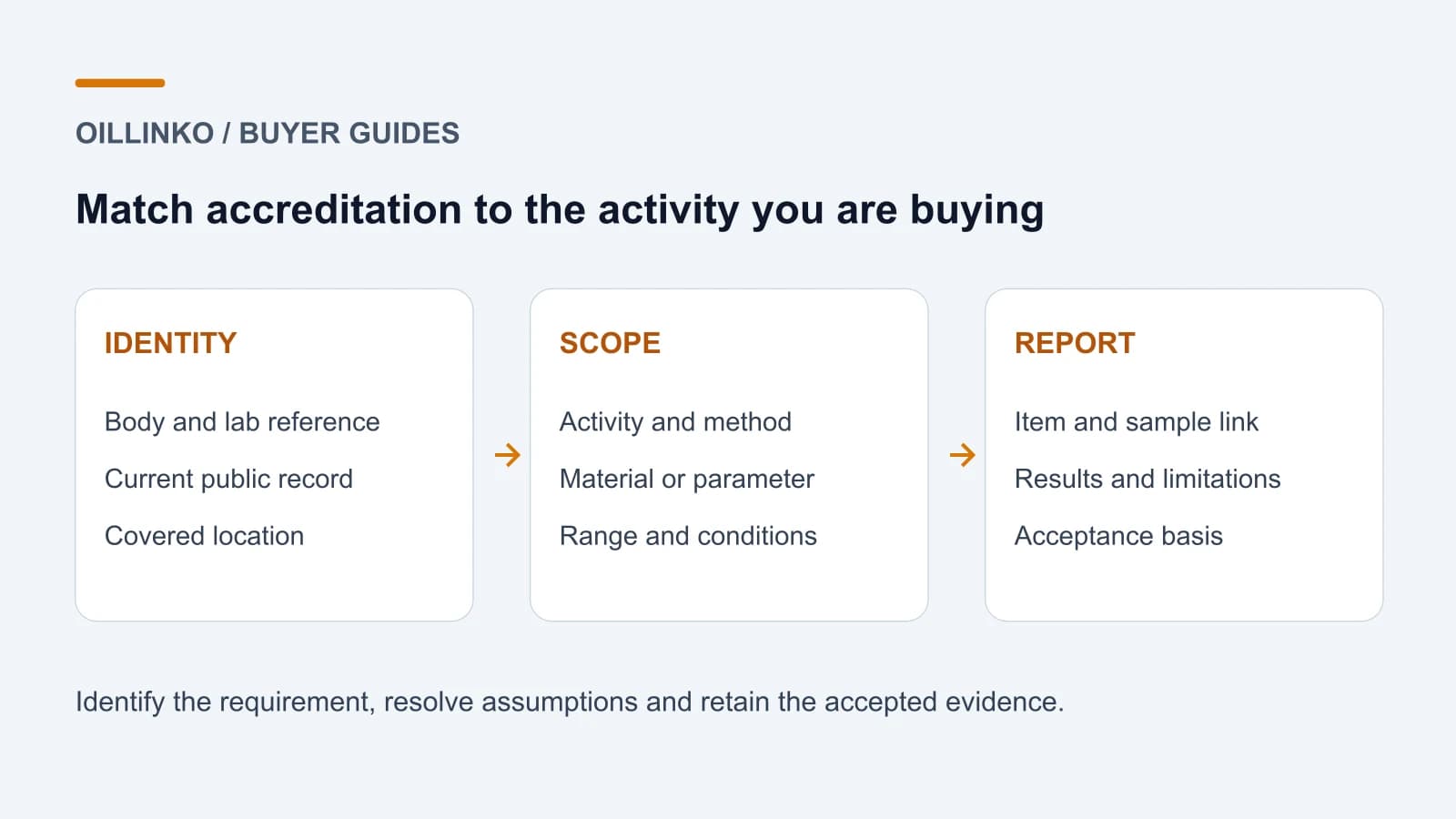
ISO/IEC 17025 Laboratory Accreditation: Check the Scope Behind the Report
Match the laboratory identity, accredited activity, method, location and measurement range to the evidence your purchase needs.
Read article →
· 8 min read
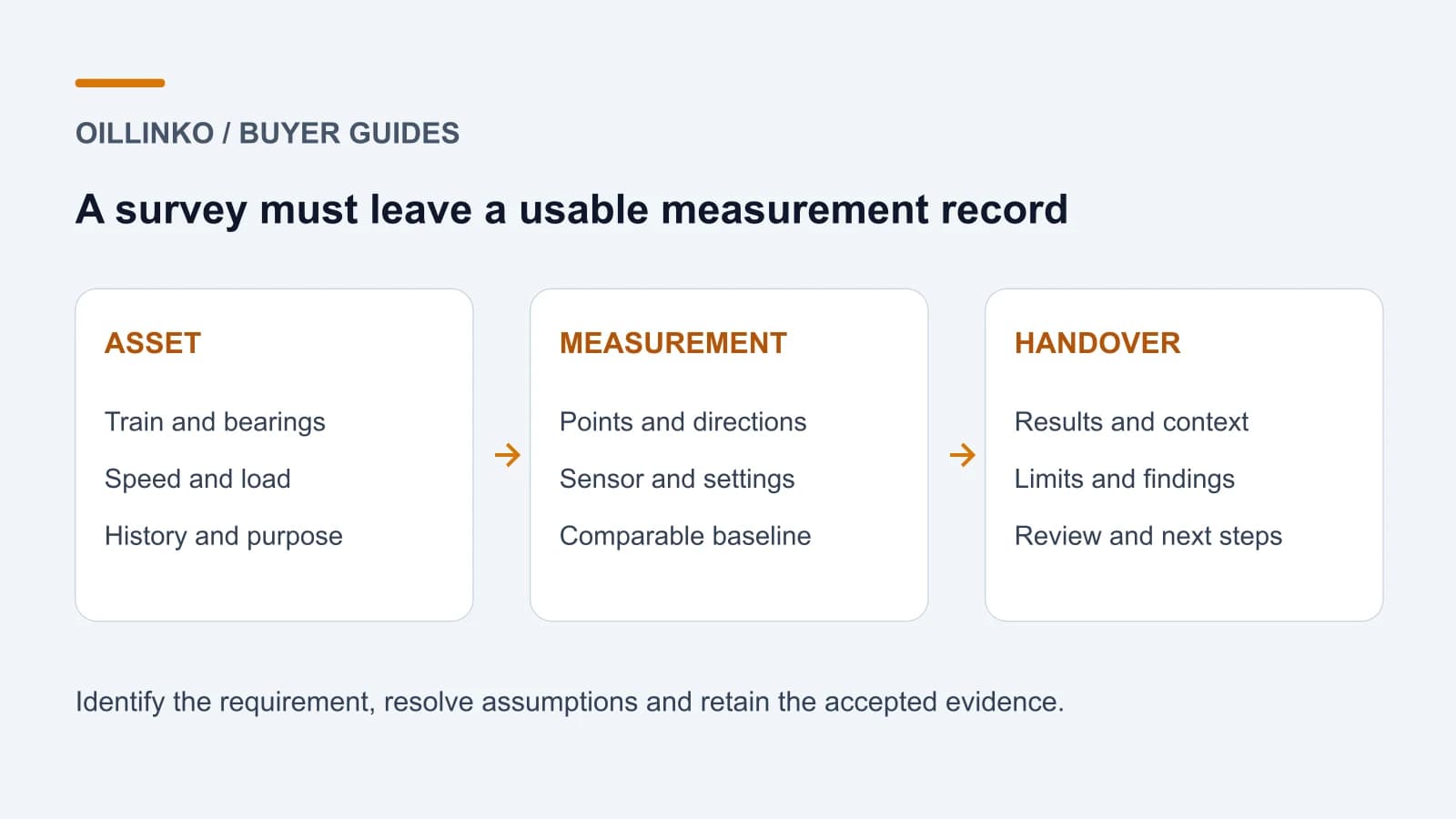
Rotating Equipment Vibration Surveys: Scope, Baselines and Records
Define machine coverage, operating conditions, measurement locations and reviewable diagnostic evidence before booking a survey.
Read article →
· 8 min read
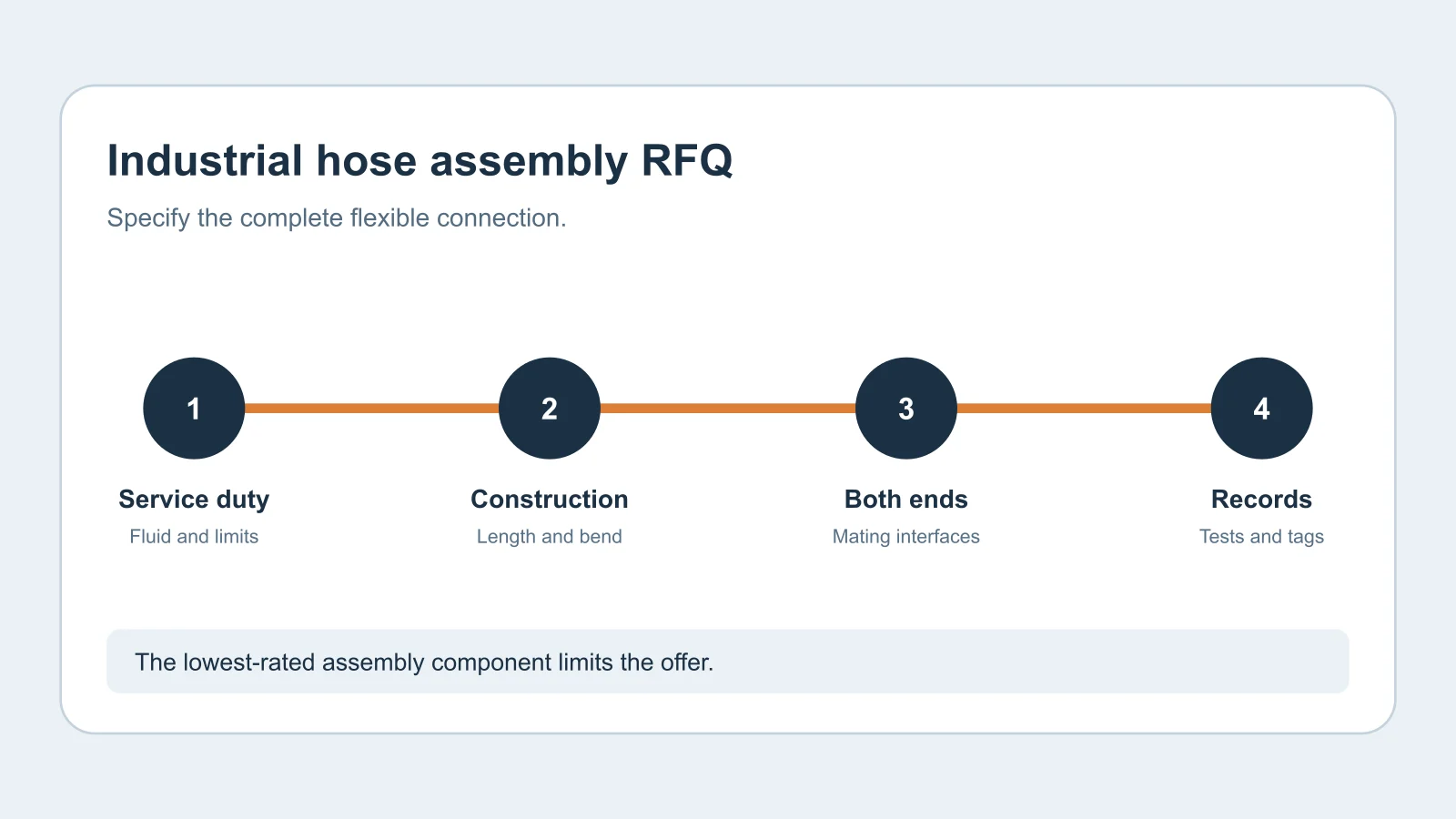
Industrial Hose Assembly RFQs: Service, End Connections and Traceability
Specify complete hose assemblies with a defined duty, installed geometry, both end connections and identifiable test records.
Read article →
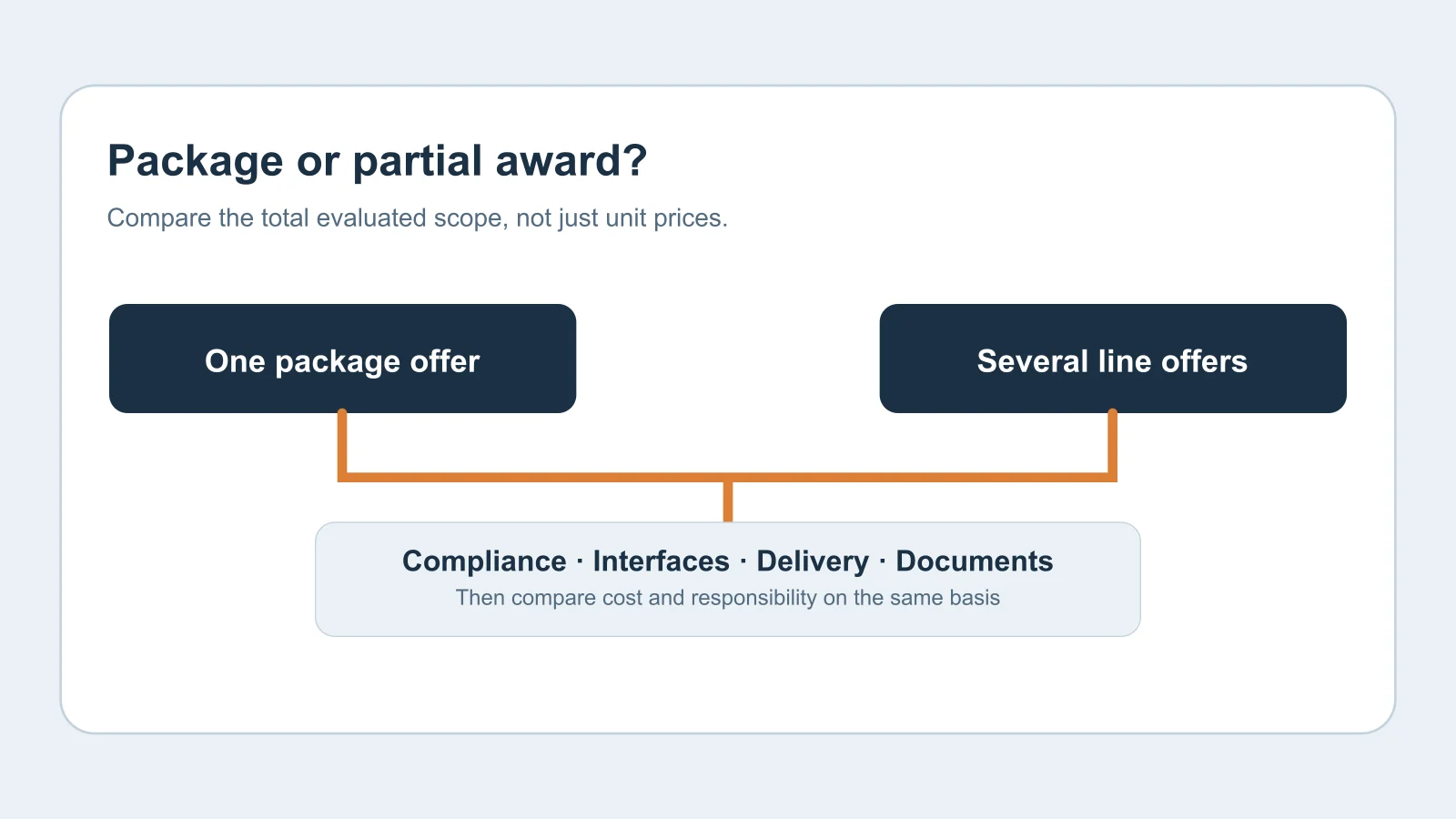
· 8 min read
Partial Awards in Equipment RFQs: Comparing Package and Line-Item Offers
Evaluate split awards against a package offer using the full technical, delivery and contract scope.
Read article →
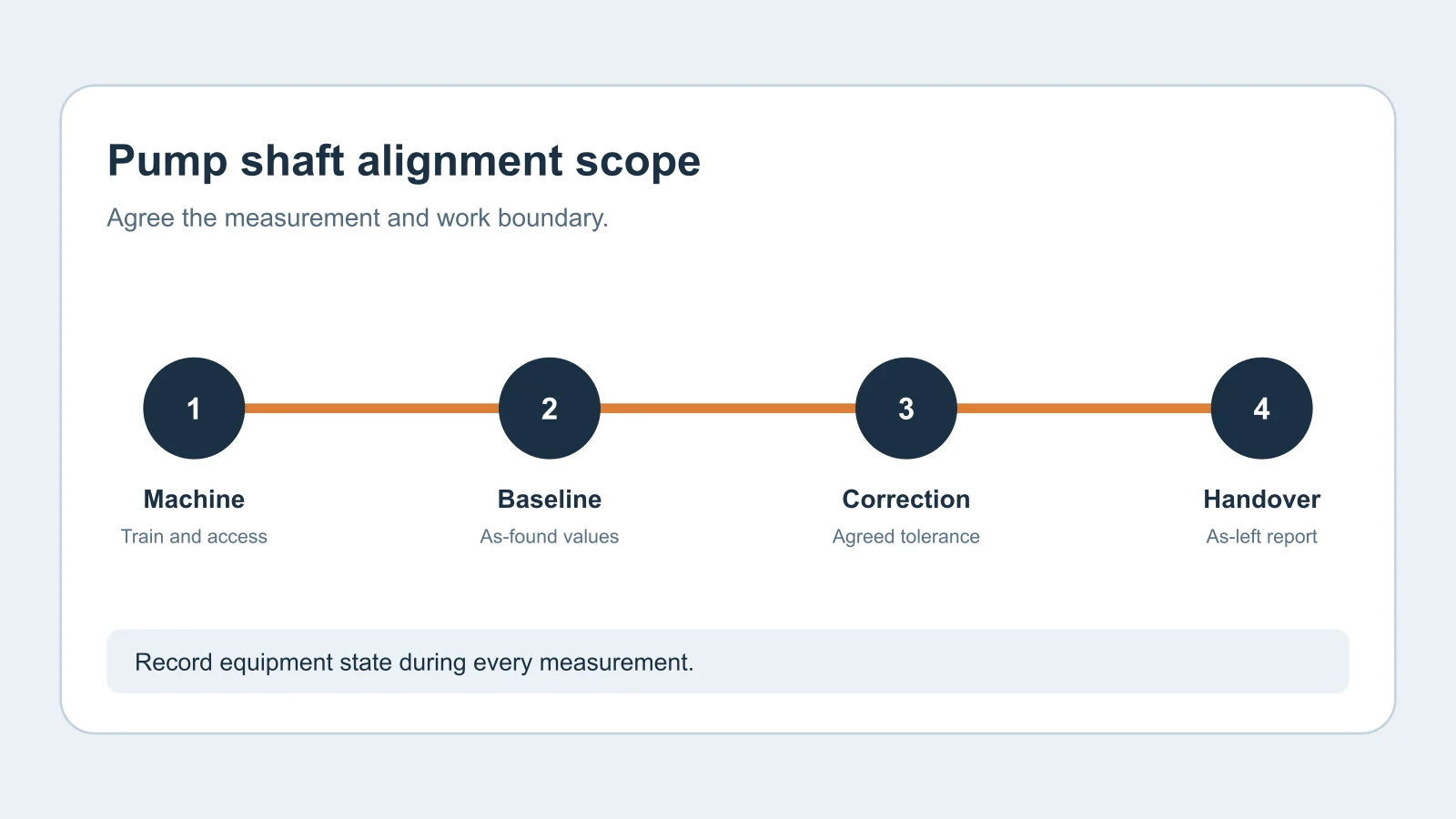
· 8 min read
Pump Shaft Alignment Services: Scope, Preconditions and Handover
Define machine identity, site readiness, measurement basis, correction boundary and final alignment records.
Read article →
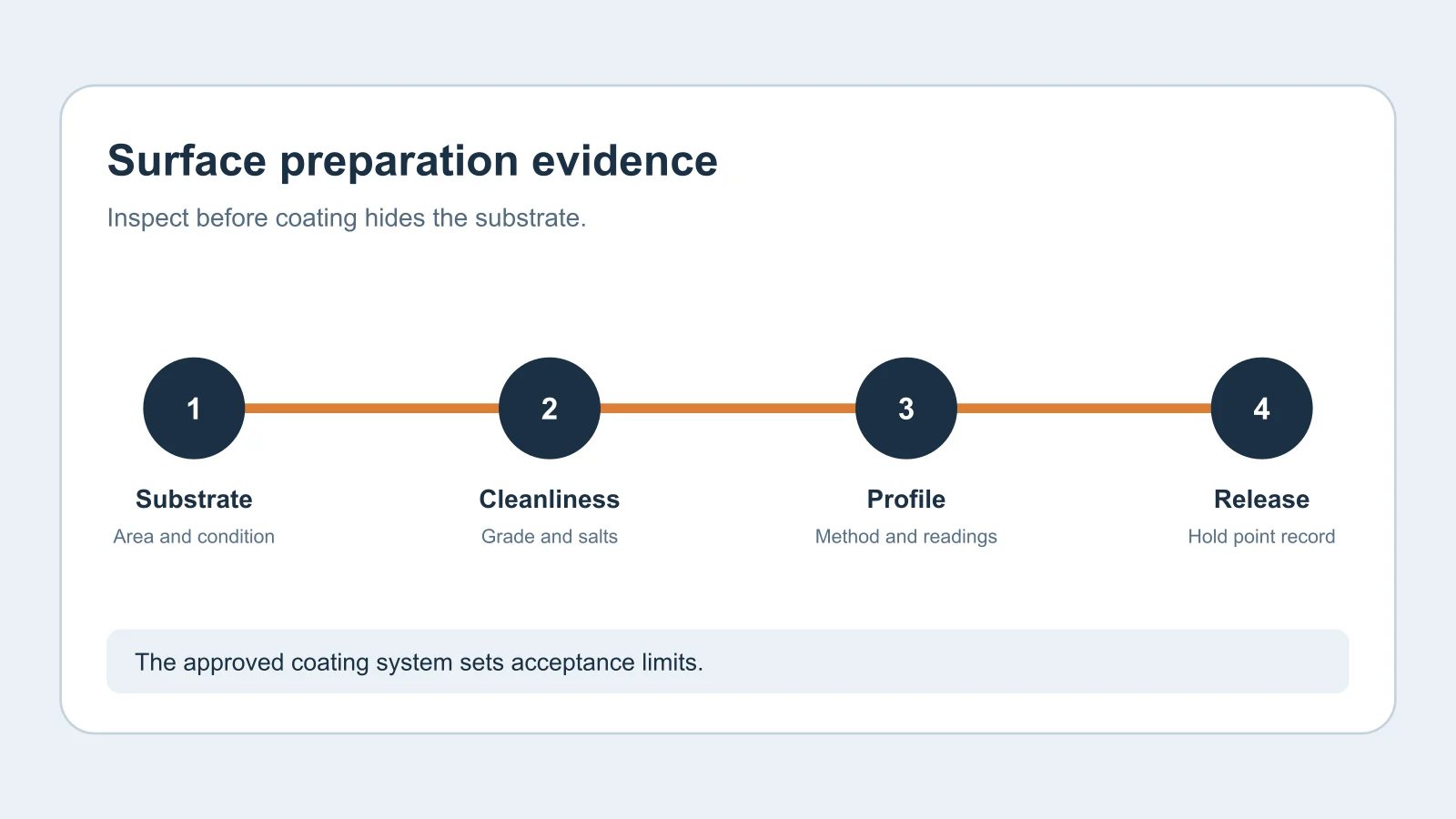
· 8 min read
Surface Preparation Before Coating: Inspection Evidence for Buyers
Record cleanliness, contamination, profile and environmental conditions before coating conceals the substrate.
Read article →
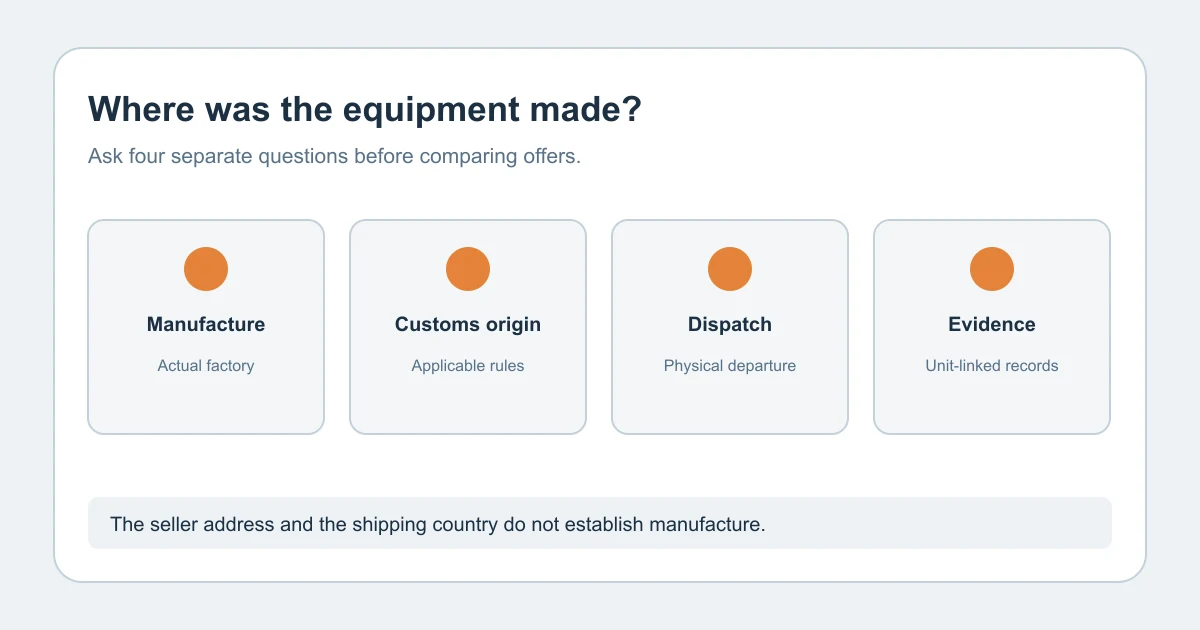
· 8 min read
Country of Dispatch vs Country of Origin: Meaning and RFQs
Understand dispatch country, manufacturing country and customs origin before comparing equipment quotations.
Read article →
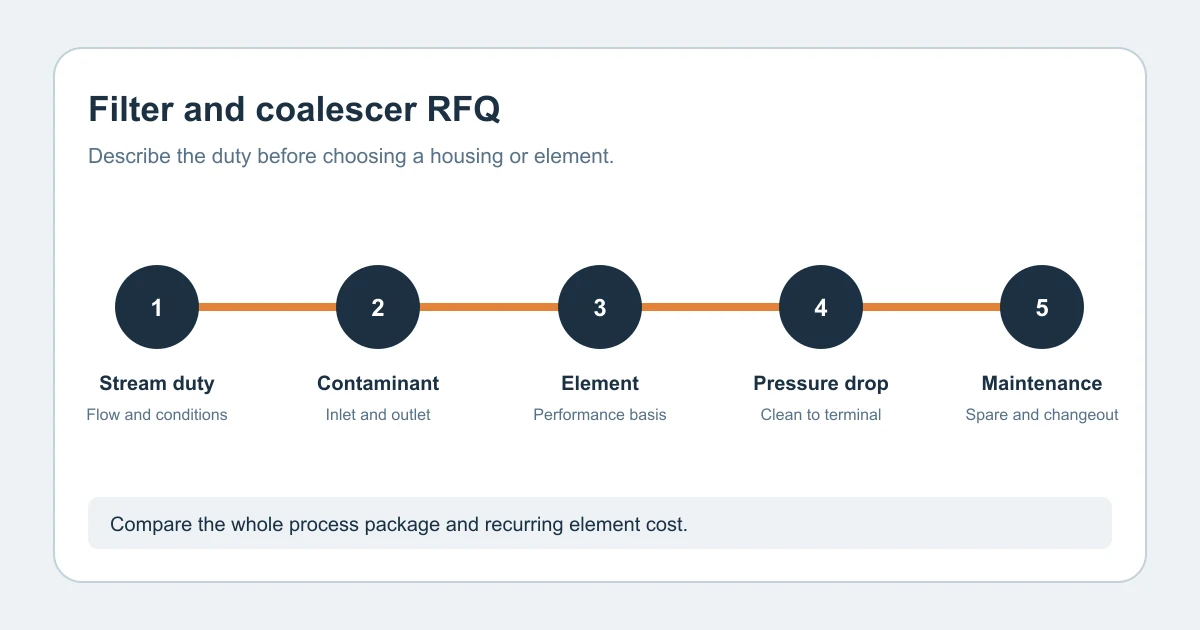
· 8 min read
Industrial Filter and Coalescer RFQs: Duty, Elements and Pressure Drop
Define the contaminant, flow range, element duty and allowable pressure loss before comparing packages.
Read article →
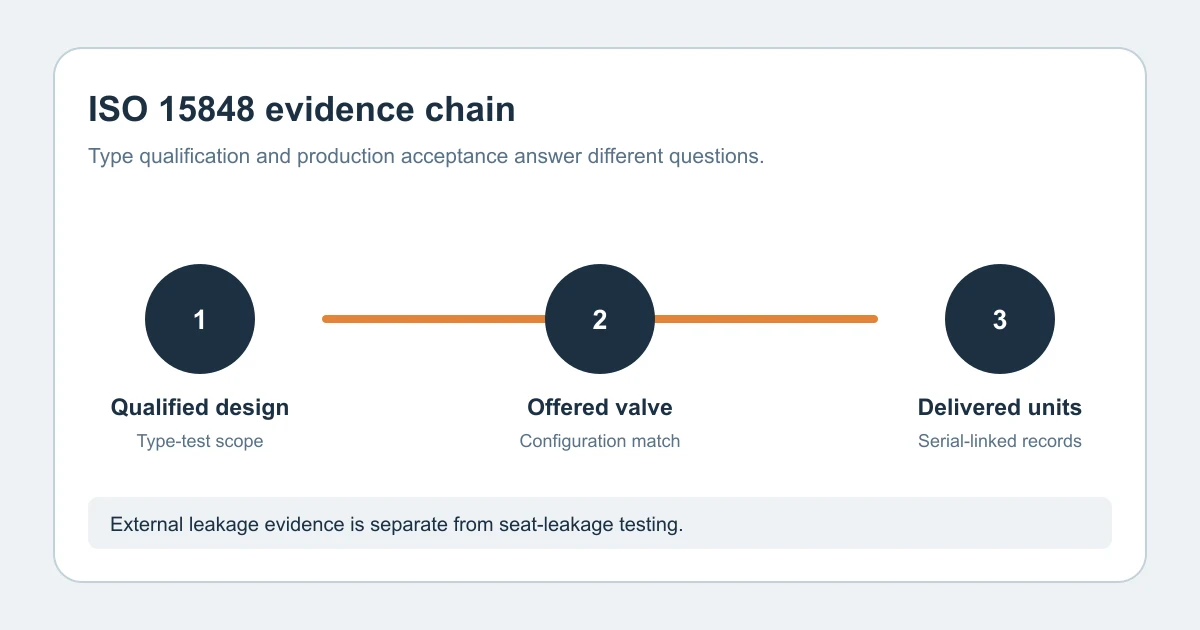
· 8 min read
ISO 15848 Fugitive Emissions: Valve Type Tests vs Production Acceptance
Separate a valve design qualification from the acceptance evidence for supplied units.
Read article →
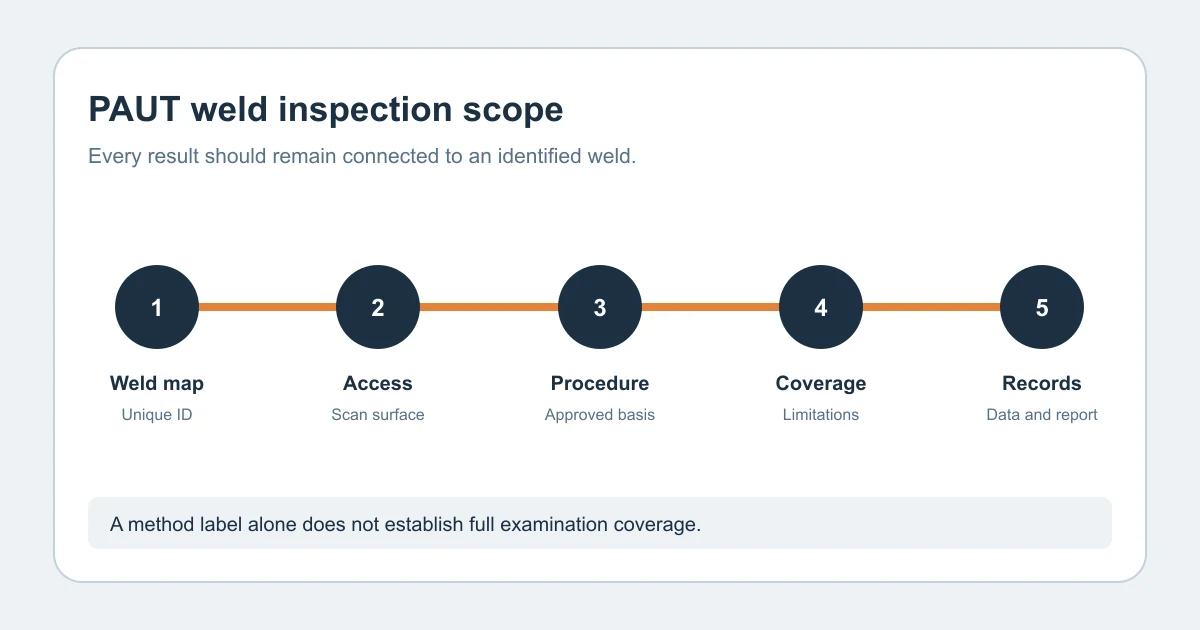
· 8 min read
Phased Array UT for Weld Inspection: Scope, Limits and Records
Identify the welds, examination standard and reviewable scan evidence before buying a PAUT service.
Read article →
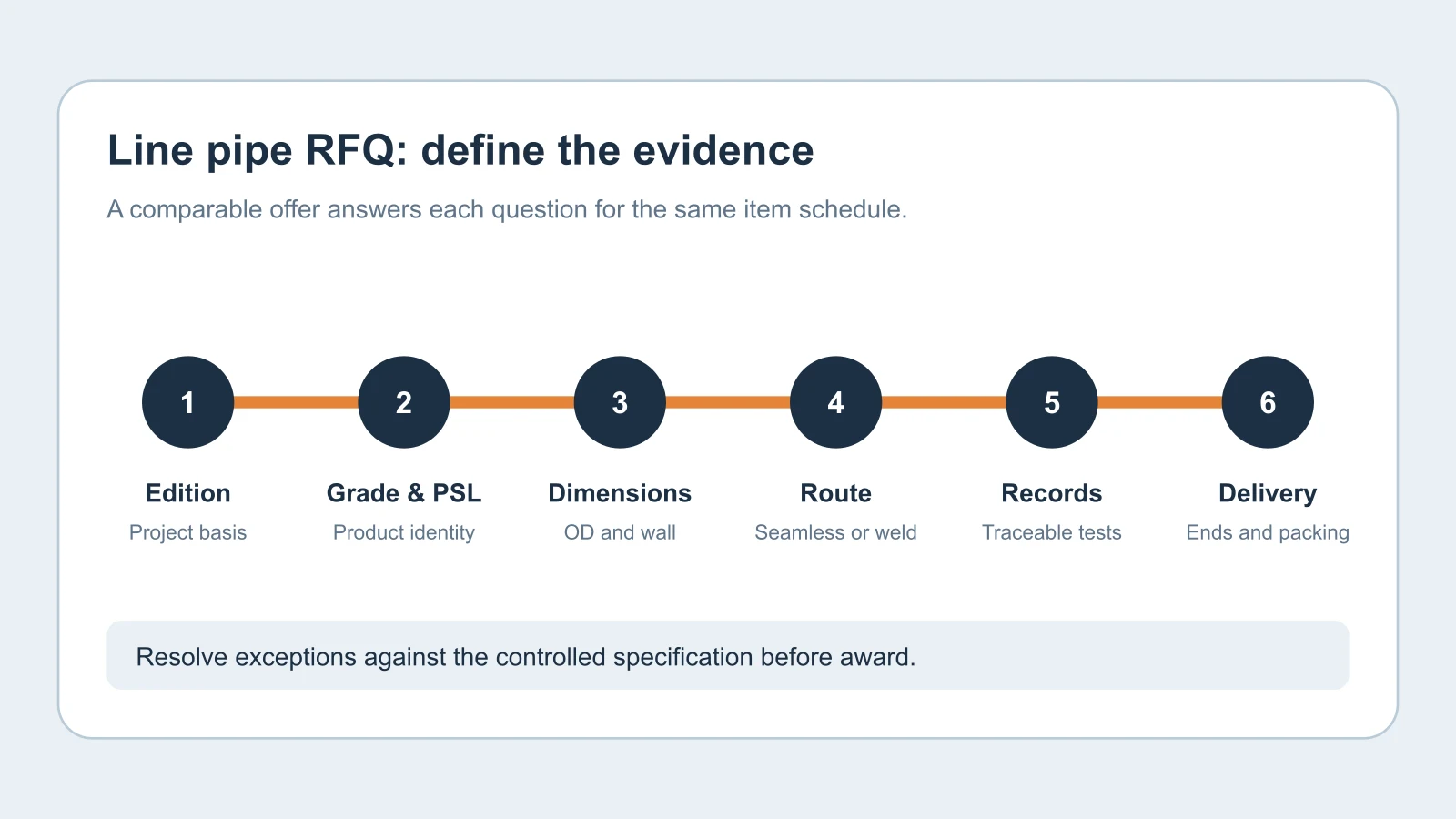
· 8 min read
API 5L Line Pipe RFQ: Grade, PSL, Dimensions and Records
Define the line-pipe product, grade, PSL, dimensions and evidence before comparing mill offers.
Read article →
· 8 min read
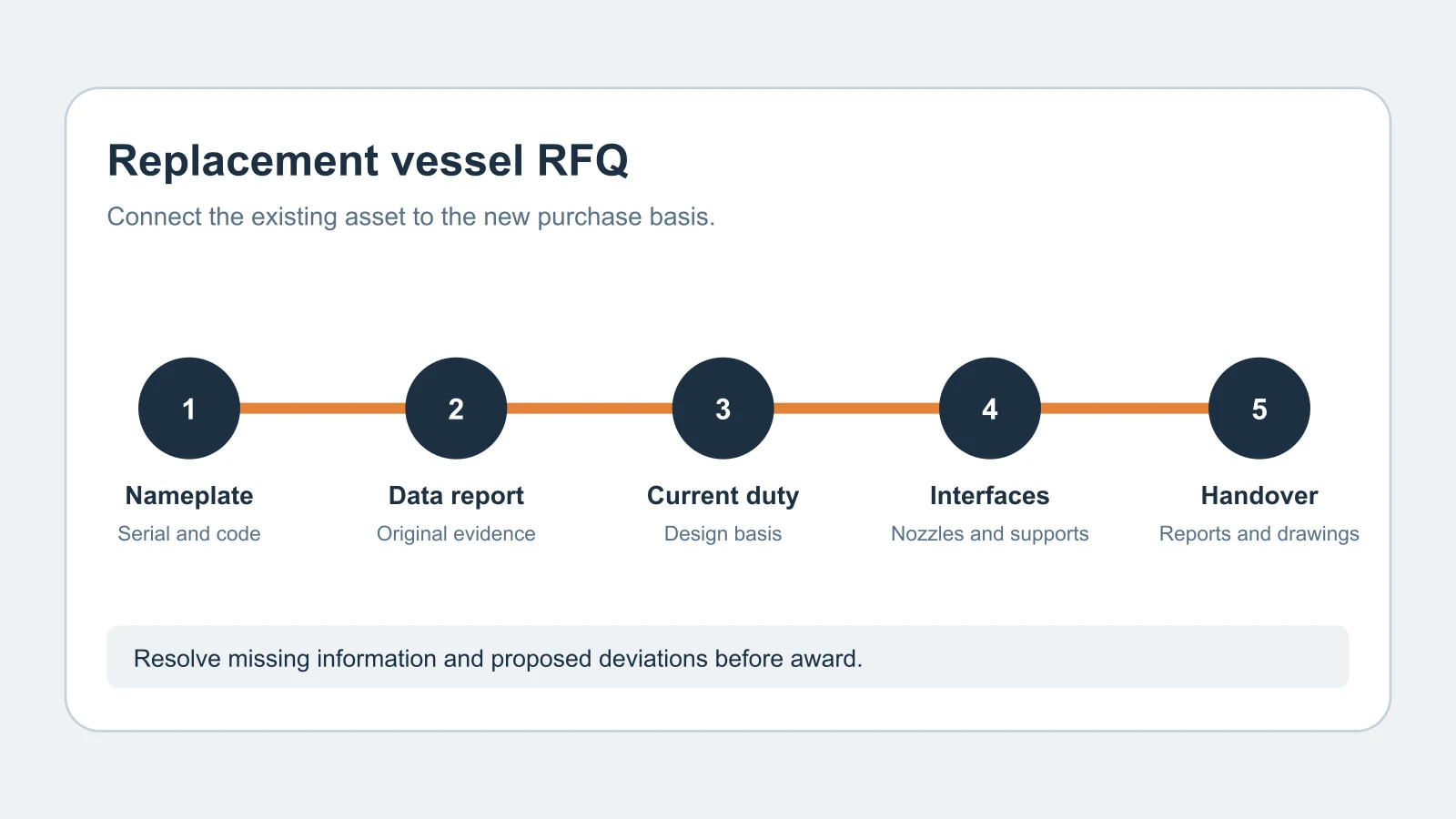
Pressure Vessel Nameplates and Data Reports: A Replacement RFQ Guide
Connect the installed vessel identity, design basis and documentation before requesting a replacement.
Read article →
· 9 min read
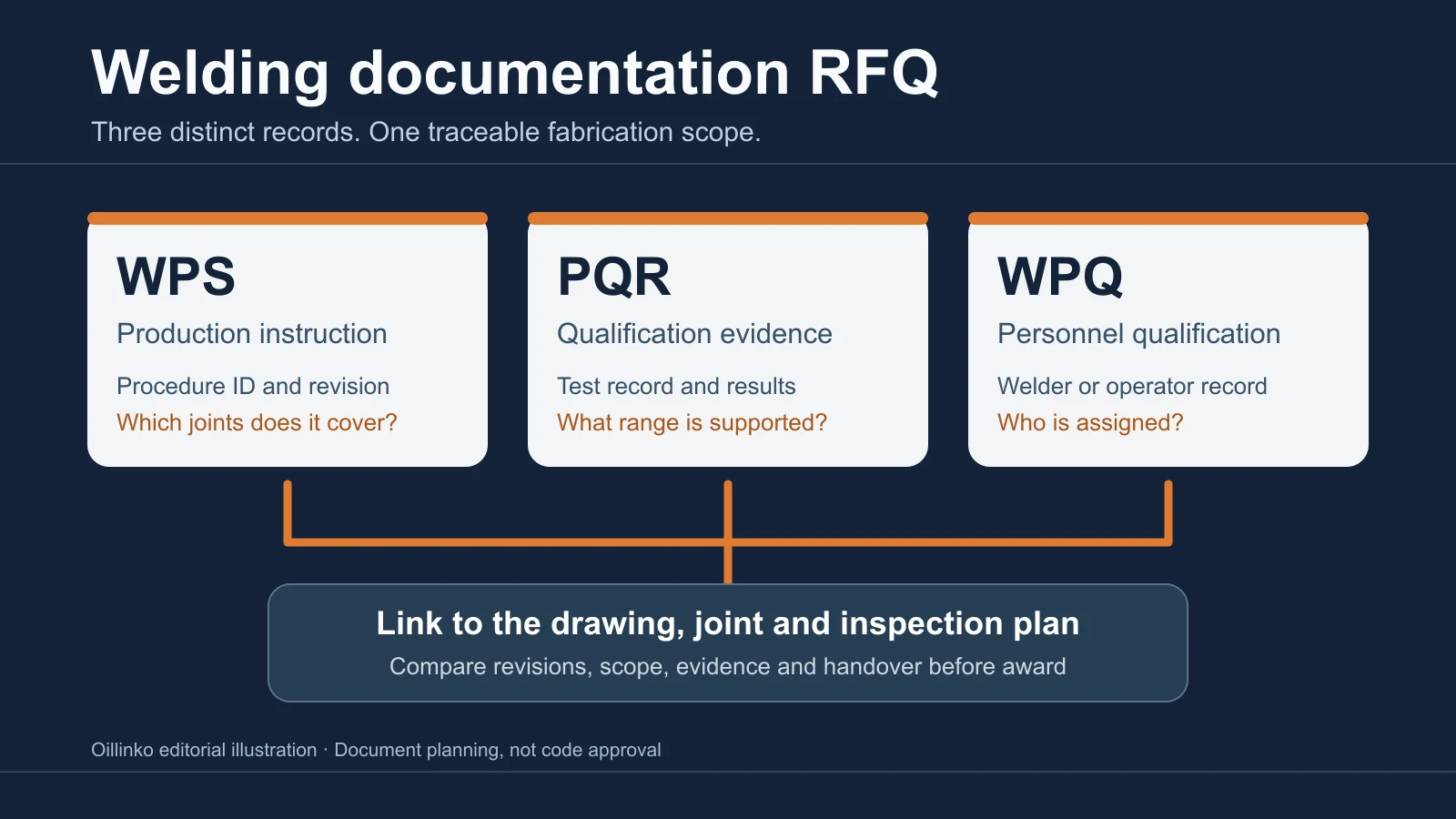
WPS, PQR and Welder Qualifications: A Fabrication RFQ Checklist
Separate procedure instructions, qualification tests and personnel records before comparing fabrication bids.
Read article →
· 9 min read
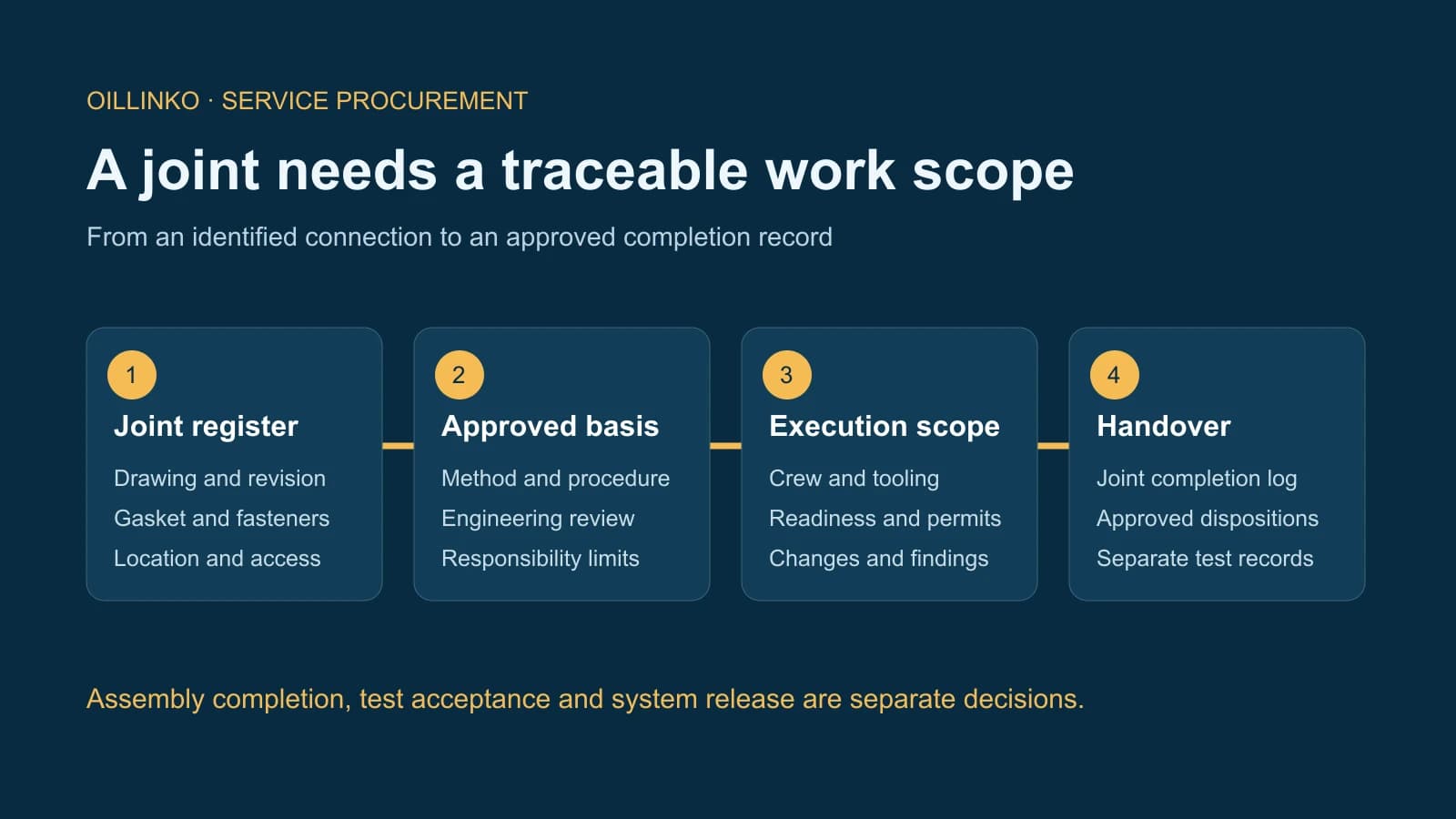
Controlled Bolting Services: An RFQ and Handover Guide
Define the joint register, approved assembly basis, site responsibilities and completion records before comparing service offers.
Read article →
· 9 min read
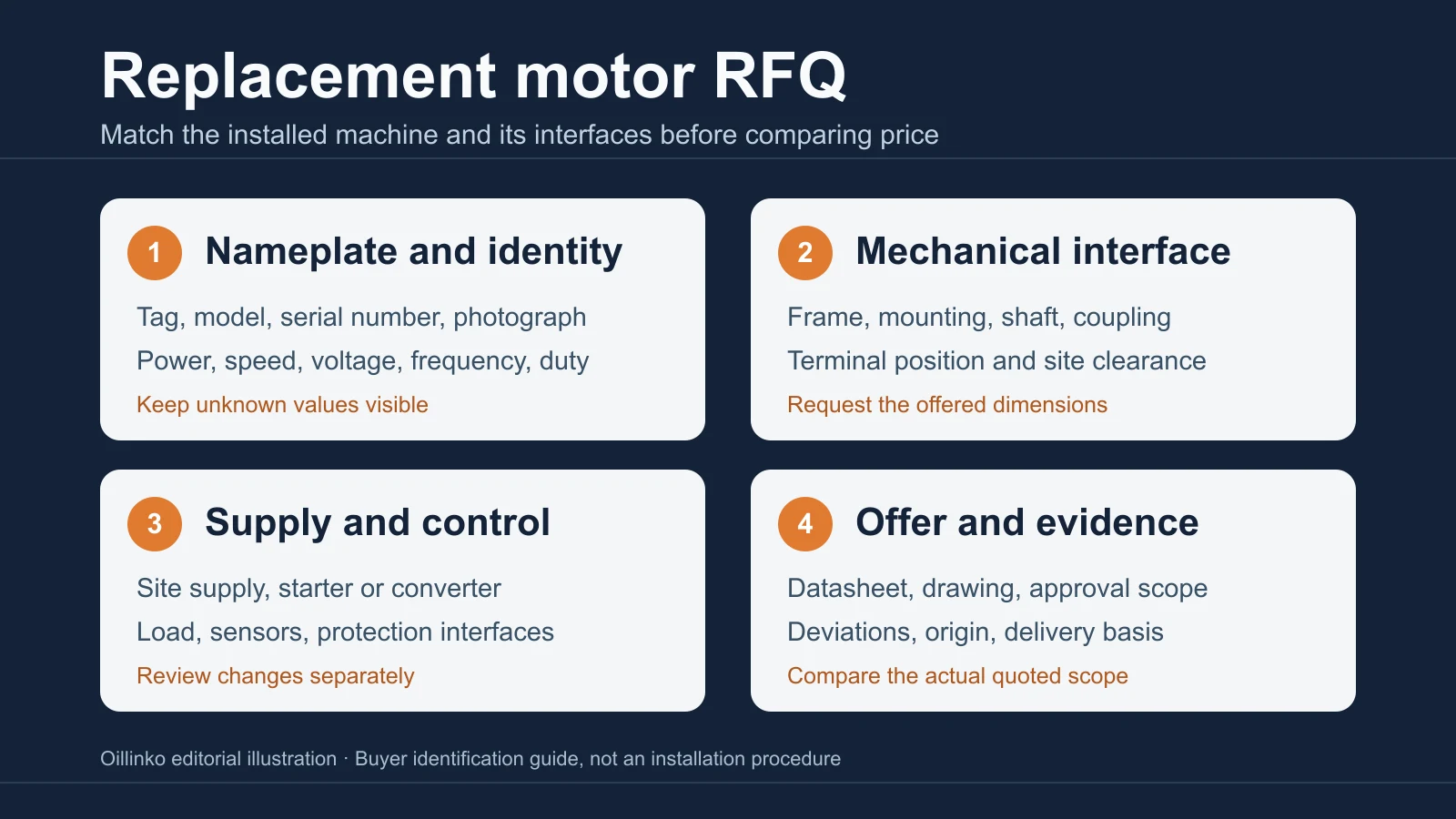
Replacement Electric Motors: Nameplate and Interface RFQ Guide
Identify the installed motor, electrical rating, mounting and control interfaces before comparing replacement offers.
Read article →
· 8 min read
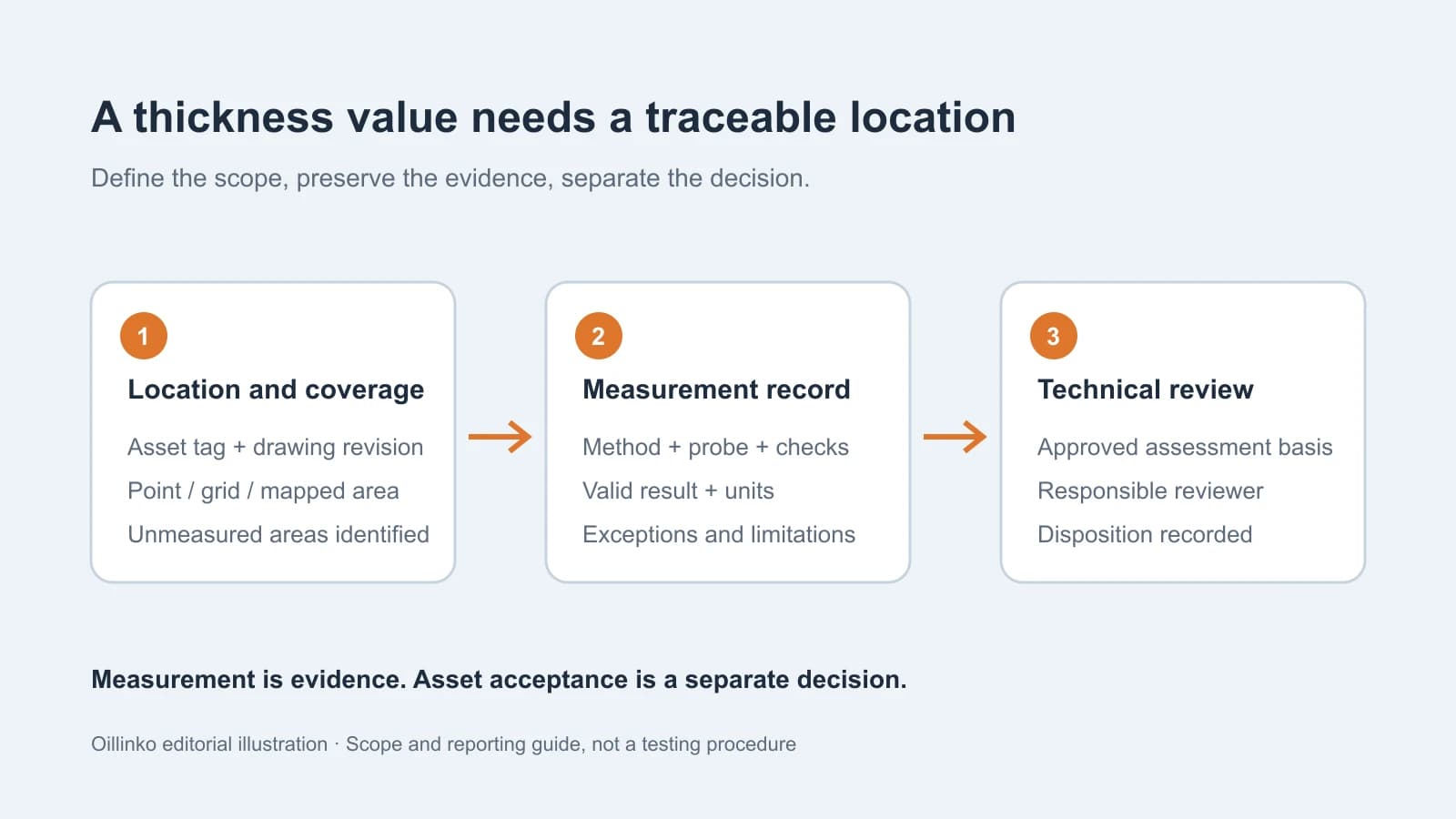
Ultrasonic Thickness Measurement Reports: A Buyer’s RFQ Guide
Define survey coverage, measurement validity, repeatable locations and traceable inspection deliverables.
Read article →
· 8 min read
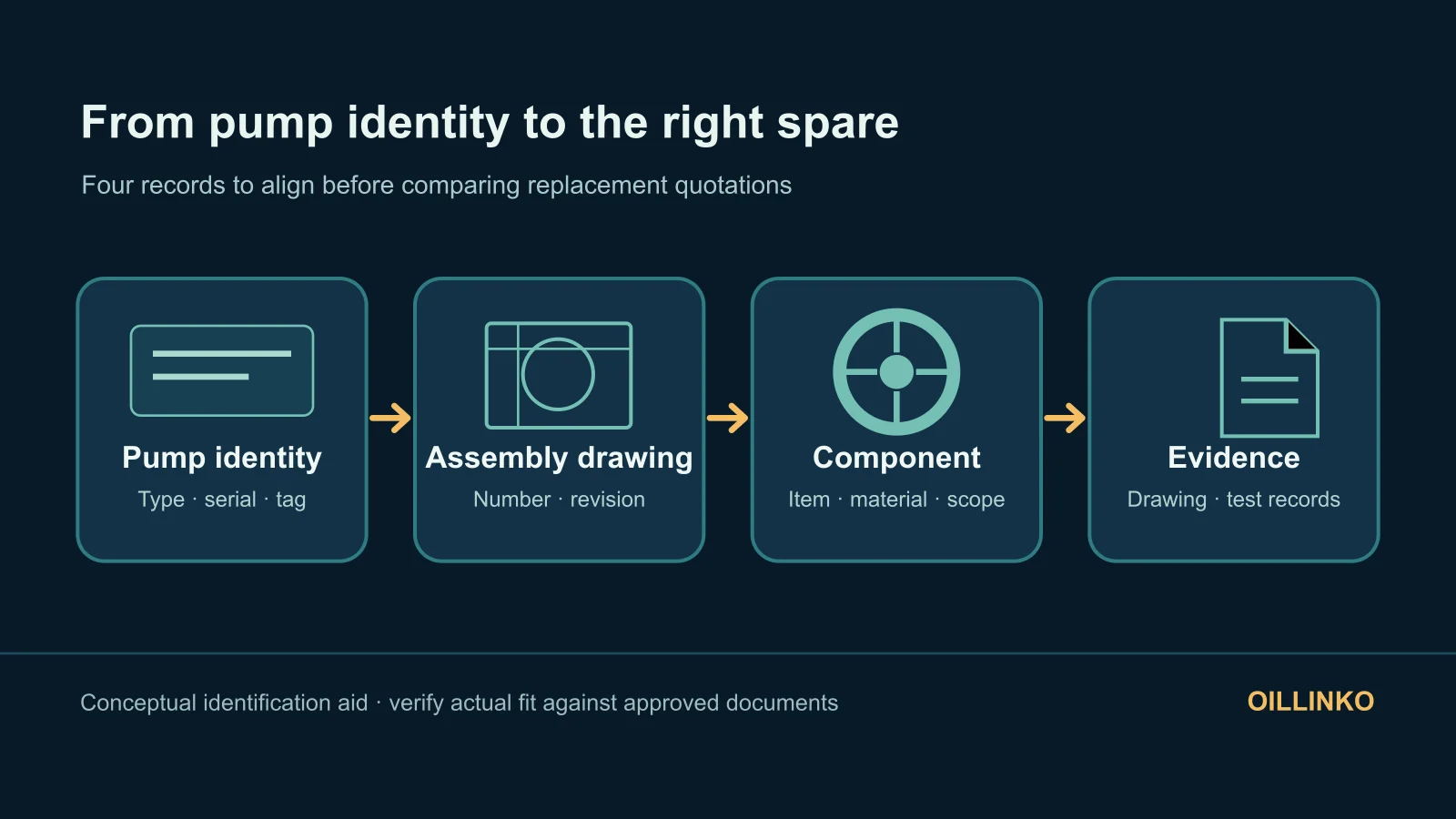
Centrifugal Pump Spare Parts RFQ: Identifying the Correct Components
Identify the installed pump and each replacement component before comparing spare-parts offers.
Read article →
· 8 min read
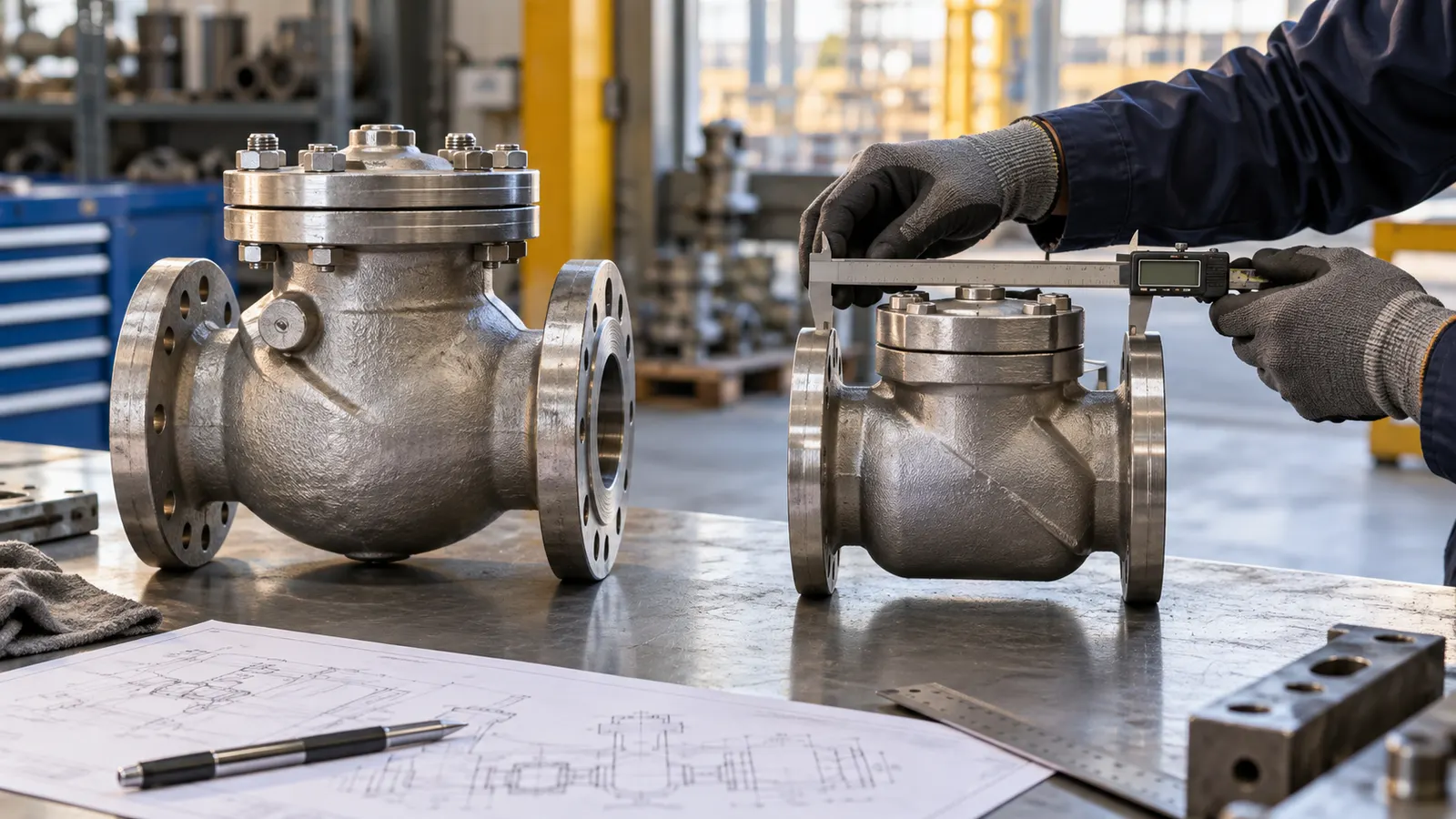
Check Valve Face-to-Face Dimensions: What an RFQ Must Specify
Identify the check-valve pattern, connection and installation length before comparing replacement offers.
Read article →

· 9 min read
Seawater Pressure Reducing Valves: An Offshore RFQ Guide
Define the duty, wetted materials, pressure-control range and acceptance evidence before comparing marine pressure reducing valve offers.
Read article →

· 10 min read
API 526 Pressure-Relief Valves: An RFQ Guide
Turn an approved relief requirement into a comparable valve enquiry without treating an API or ASME label as a sizing decision.
Read article →

· 10 min read
NACE MR0175 / ISO 15156: A Sour Service Buyer’s Guide
Define the H2S environment, material condition, fabrication controls and evidence behind a sour-service claim.
Read article →

· 9 min read
API 6A PSL and PR Levels: A Wellhead Equipment Buyer’s Guide
Separate product specification requirements from design-validation evidence before ordering wellhead and tree equipment.
Read article →

· 9 min read
DAP vs DDP for Oil & Gas Equipment Buyers
Compare import clearance, duties, destination delivery and quotation assumptions before selecting a delivered trade term.
Read article →
· 9 min read
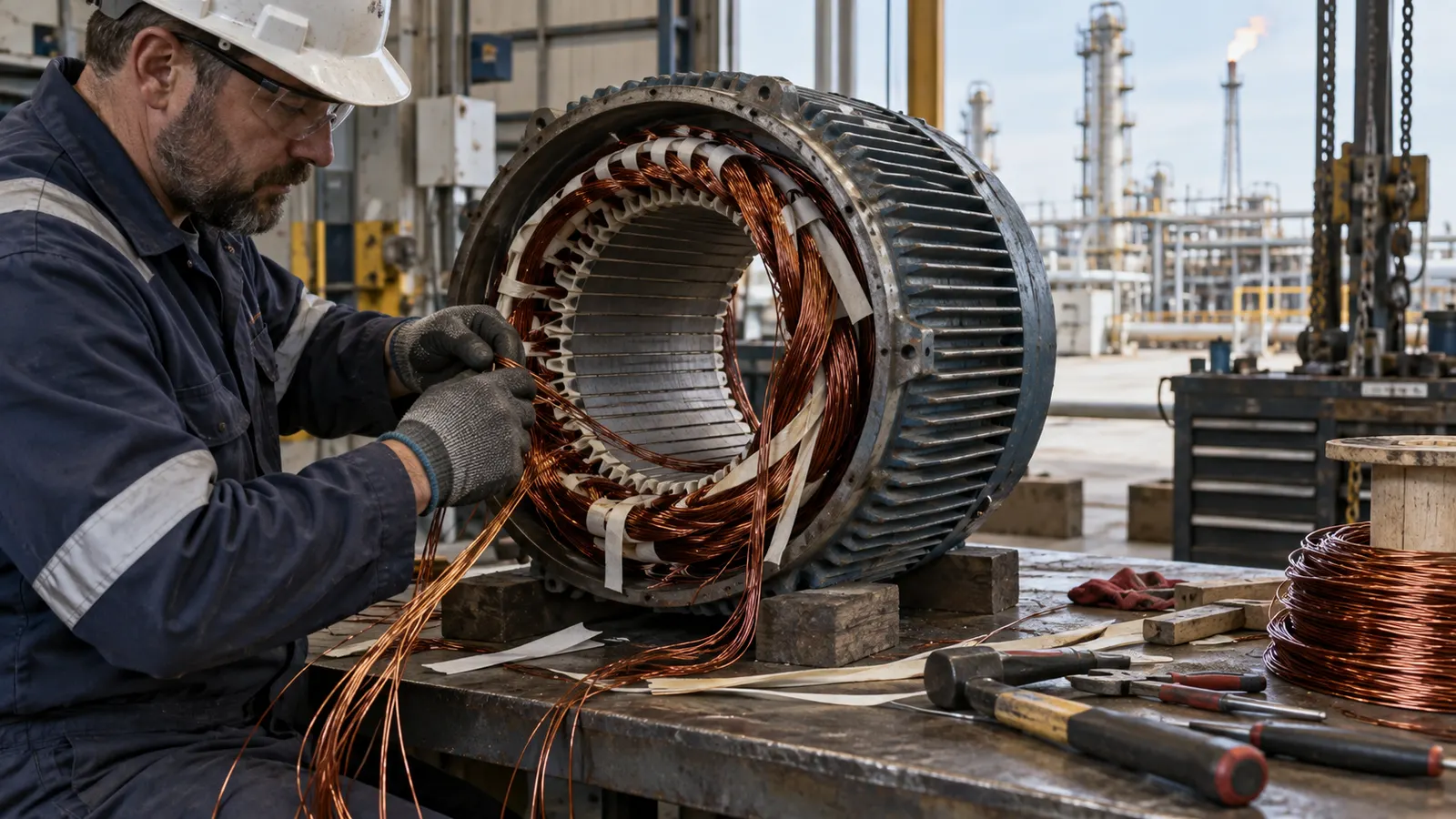
Electric Motor Rewinding RFQ: Tests, Data and Acceptance Records
Define the as-found evidence, authorized repair boundary, winding data, final tests and handover records.
Read article →

· 9 min read
API 598 vs ISO 5208 Valve Testing: A Buyer’s Guide
Define valve shell and closure testing, acceptance criteria and traceable reports before ordering.
Read article →

· 9 min read
Coating DFT Inspection Reports: A Buyer’s Guide
Define the measurement basis, inspection areas, acceptance criteria and traceable records for dry-film thickness.
Read article →

· 8 min read
NPT vs BSPT vs BSPP: A Threaded Fitting Buyer’s Guide
Identify the thread family and complete sealing arrangement before ordering fittings or adapters.
Read article →

· 8 min read
Heat Number Traceability: Matching Materials to Mill Certificates
Connect delivered materials to their mill certificates and resolve gaps in the documentary chain.
Read article →

· 8 min read
Mechanical Seal Replacement: Identification and RFQ Guide
Identify the installed seal, define the assembly boundary and compare replacement offers.
Read article →

· 8 min read
Oil Flushing Service RFQ: Cleanliness Targets and Acceptance
Define oil flushing boundaries, cleanliness requirements, sampling evidence and handover responsibilities.
Read article →

· 9 min read
Check Valve Cracking Pressure: A Buyer’s RFQ Guide
Separate opening threshold, required flow, resealing and working pressure before buying an inline check valve.
Read article →

· 9 min read
Inspection and Test Plans: Hold vs Witness Points
Agree inspection participation, notification and release authority before placing an equipment order.
Read article →

· 9 min read
Plate Heat Exchanger Cleaning vs Reconditioning: RFQ Guide
Compare cleaning, plate reconditioning and frame repair through a clearly defined service scope.
Read article →

· 9 min read
Liquid Penetrant vs Magnetic Particle Testing: RFQ Guide
Compare PT and MT applicability, then define inspection coverage, acceptance criteria and traceable reporting.
Read article →

· 9 min read
ASME B16.5 Flange Pressure Classes: A Buyer’s Guide
Understand class designations, material-specific pressure-temperature ratings and complete-joint checks before buying flanges.
Read article →
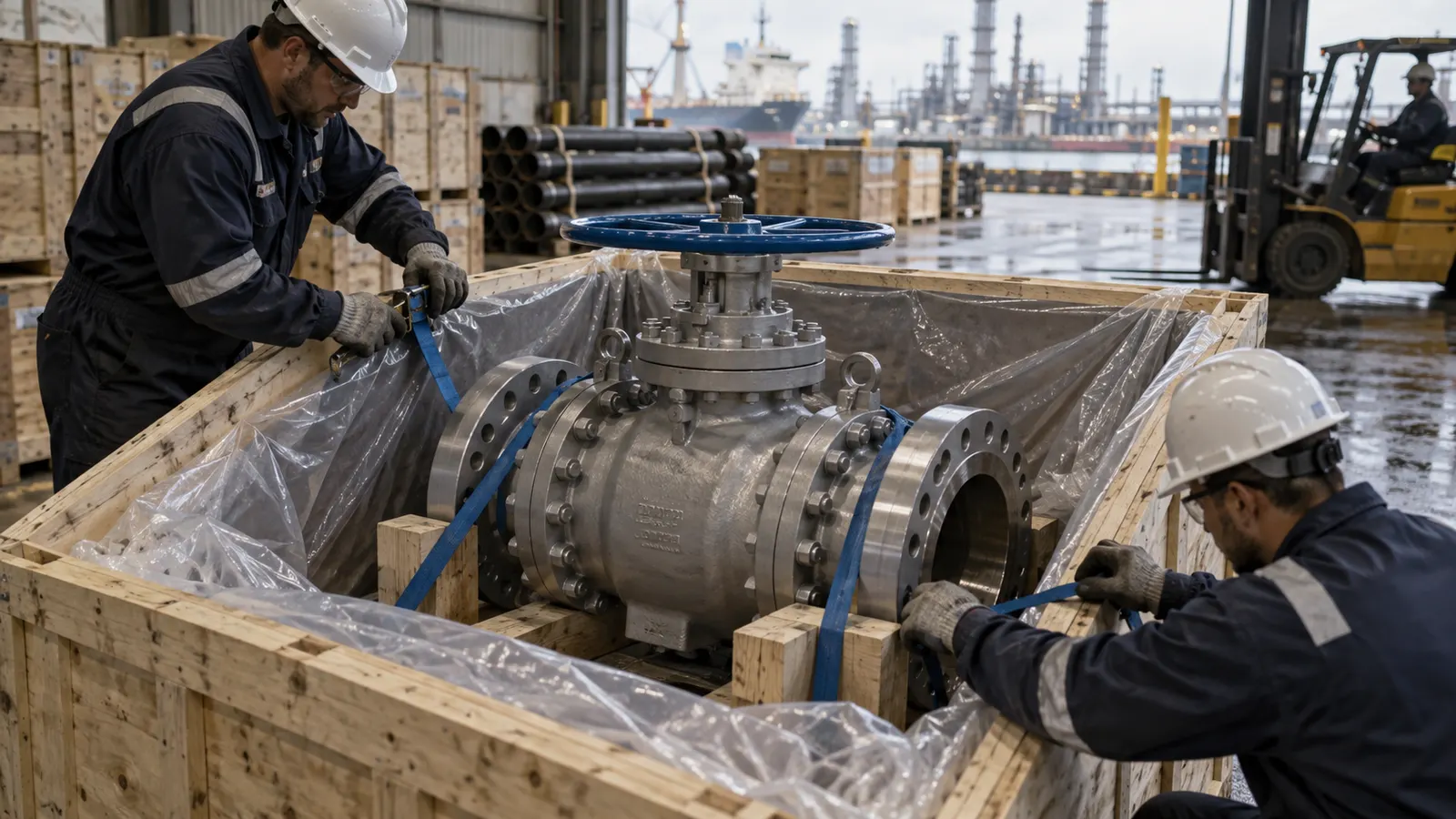
· 9 min read
Export Packing for Oil & Gas Equipment: RFQ Checklist
Define equipment protection, package identity and transport responsibilities before comparing packing quotations.
Read article →

· 8 min read
Pressure Gauge Calibration Certificates: A Buyer’s Guide
Check the instrument identity, measured results and acceptance basis before treating a calibration certificate as approval.
Read article →

· 9 min read
Replacement Heat Exchanger Tube Bundles: RFQ Guide
Define replacement boundaries, drawing evidence and performance responsibilities before ordering a tube bundle.
Read article →

· 9 min read
Valve Actuator Replacement: RFQ & Compatibility Guide
Check valve duty, mounting, controls and failure response before accepting a replacement actuator.
Read article →

· 8 min read
Control Valve Repair RFQs: Scope, Tests and Reports
Request evidence about the valve, actuator and positioner before approving an overhaul quotation.
Read article →

· 8 min read
EXW vs FCA for Oil & Gas Equipment Buyers
Compare collection, loading and export responsibilities before choosing an equipment quotation.
Read article →

· 8 min read
Positive Material Identification: XRF vs OES for Buyers
Choose a PMI method that can measure the elements your purchase specification actually needs.
Read article →

· 8 min read
Spiral Wound Gasket Identification: A Buyer’s RFQ Guide
Turn gasket markings, ring details and flange records into a clear replacement requirement.
Read article →

· 9 min read
Special-Purpose Couplings (API 671) and Baseplate Design for Rotating Equipment
How to specify the right coupling type and baseplate for critical rotating equipment
Read article →

· 9 min read
API 675 Metering Pumps: Controlled-Volume Dosing Explained
What API 675 accuracy, linearity and repeatability actually require of a metering pump
Read article →

· 8 min read
Common Reasons an RFQ Goes to the Wrong Supplier — and How a Sourcing Partner Filters for Fit
Why RFQs land on mismatched suppliers, and how to filter for real fit before sending one
Read article →
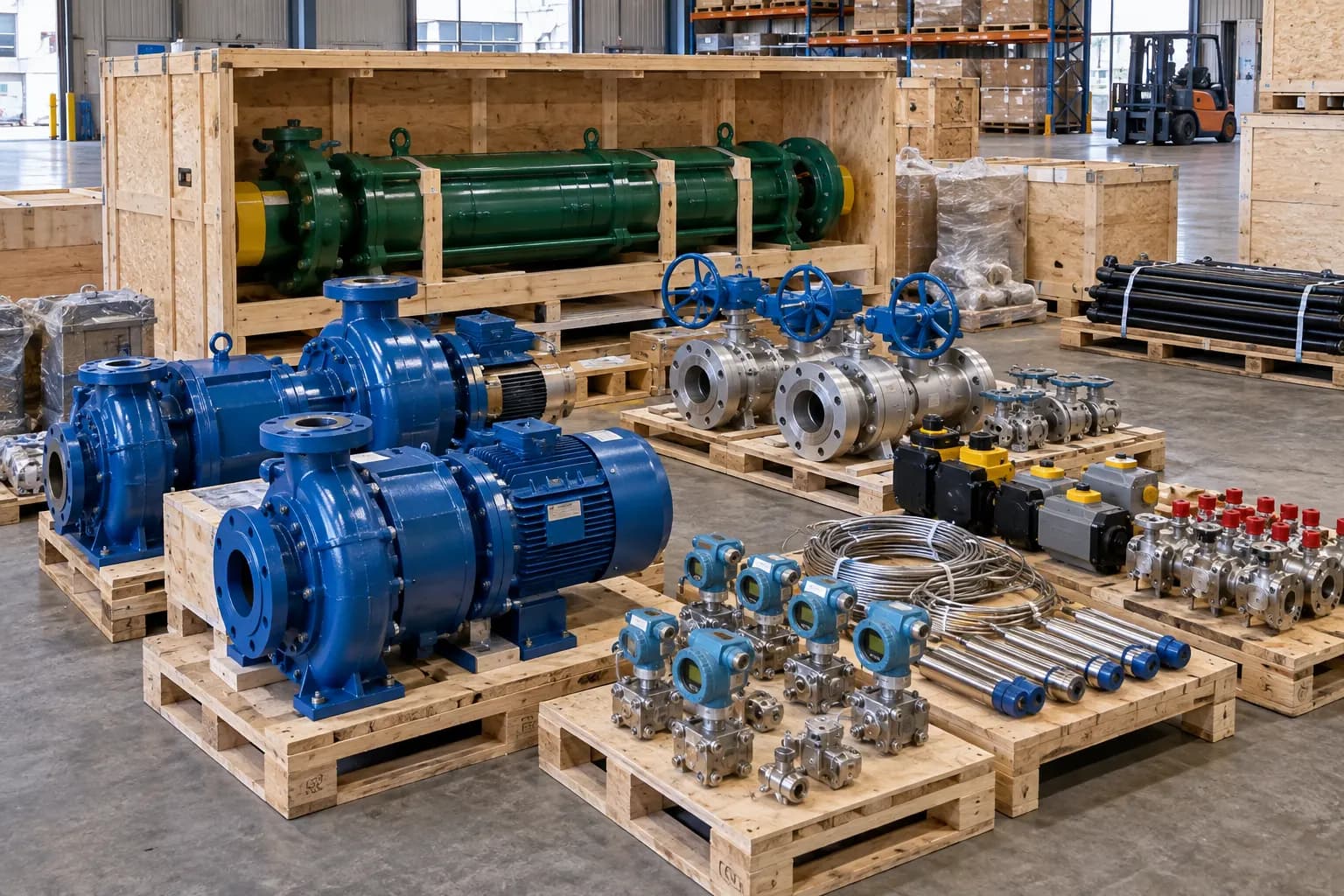
· 8 min read
Consolidated Shipments and Multi-Vendor Orders: Why Buyers Use a Single Sourcing Partner
How combining multiple vendors into one shipment actually works, and when it's worth it
Read article →

· 8 min read
How to Evaluate and Vet an Equipment Trading Company Before You Send Your First RFQ
The checks that separate a real sourcing partner from a reseller with a PDF catalogue
Read article →
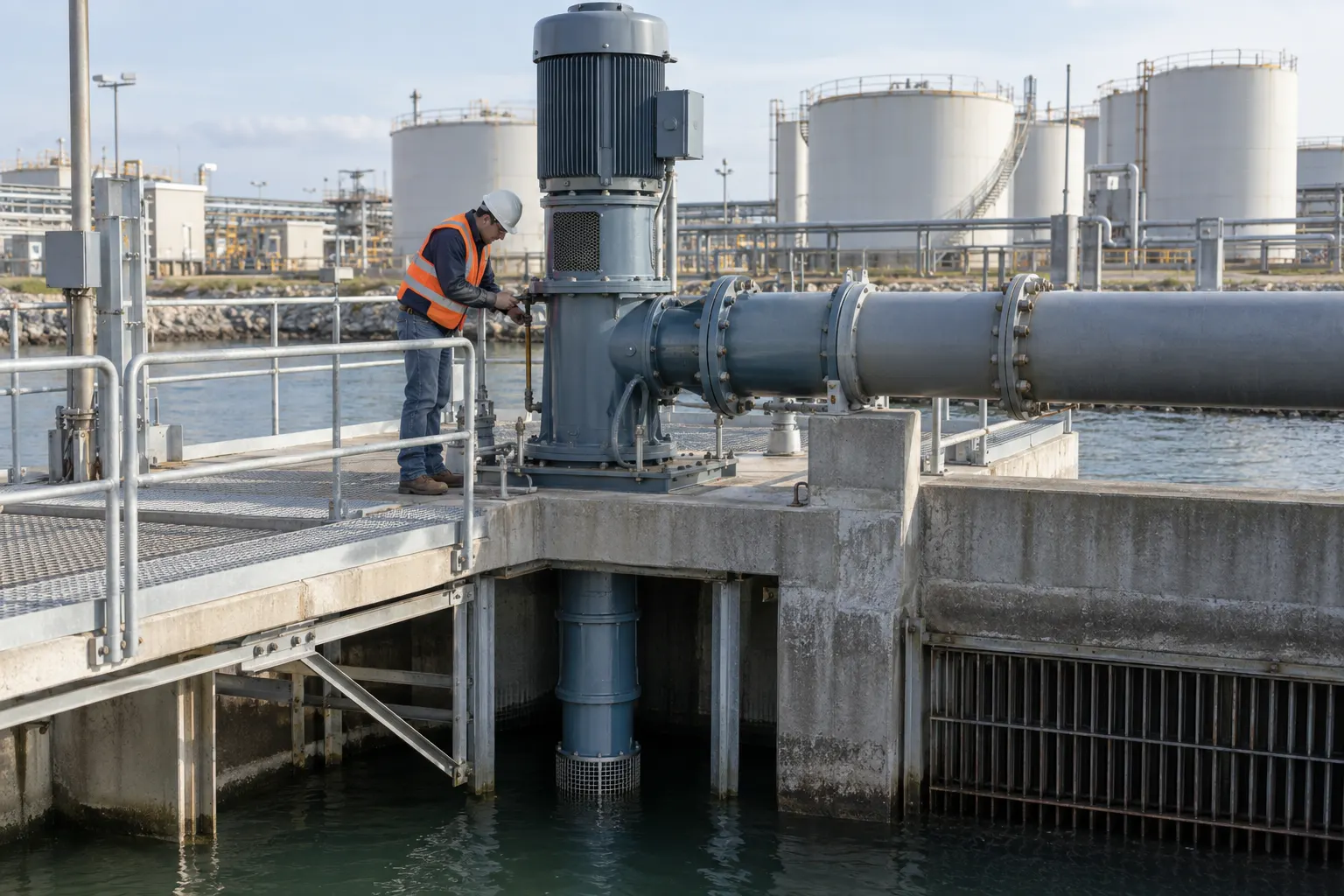
· 9 min read
Vertical Turbine Pumps for Tank Farms and Cooling Water Intakes (API 610 VS)
How the API 610 VS sub-types differ, and which ones actually get specified for tank farms and intakes
Read article →

· 8 min read
Equipment Trading Companies vs Buying Direct from the Manufacturer: Pros, Cons and When Each Makes Sense
The trade-offs between routing an order through a trading company and buying direct from the factory
Read article →

· 8 min read
What an Oil & Gas Equipment Sourcing Partner Actually Does (Beyond Placing the Order)
Vendor vetting, comparable quotes, technical review, inspection coordination and freight — the work behind the RFQ
Read article →

· 9 min read
Pump Commissioning and Factory Acceptance Testing (FAT) Checklist
What to check at the factory, and what changes once the pump is on site
Read article →

· 9 min read
Reading a Pump Curve: Head, Flow, NPSH and Best Efficiency Point Explained
How to read a vendor's pump curve before you sign off on a quote
Read article →
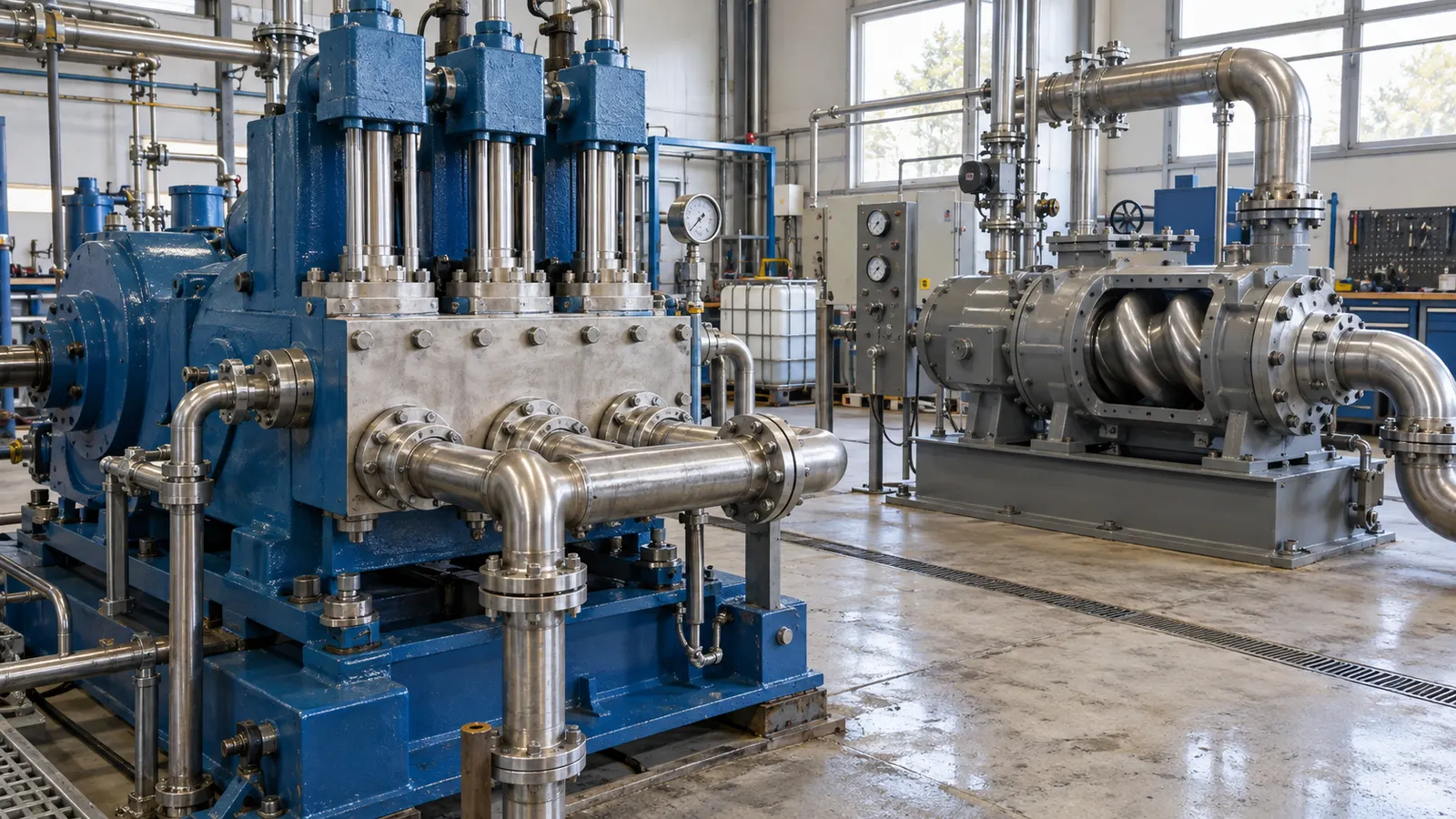
· 9 min read
API 674 & API 676: Reciprocating and Rotary Positive Displacement Pumps
When to specify a positive displacement pump instead of centrifugal, and which standard applies
Read article →

· 9 min read
API 682 Mechanical Seal Piping Plans Explained (Plans 11, 23, 32, 52, 53)
What Plan 11, 23, 32, 52 and 53 actually do, and how to pick the right one
Read article →

· 9 min read
API 610 Pump Types & Classes Explained (OH, BB, VS)
How to read an API 610 pump type designation before you specify one
Read article →
· 6 min read
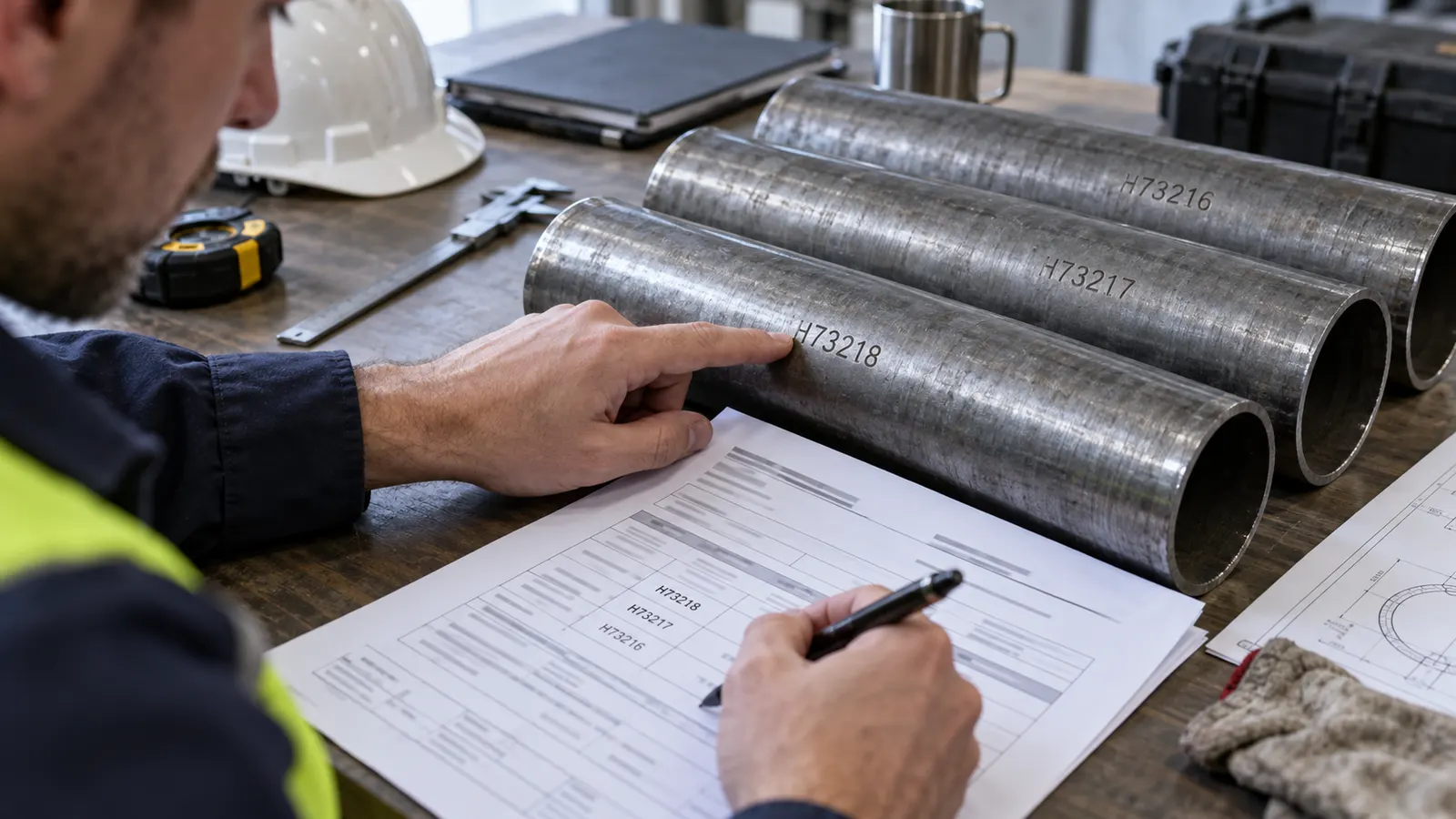
EN 10204 Material Certificates Explained (2.1, 2.2, 3.1, 3.2)
The difference between a 3.1 and a 3.2 certificate — and when you need one
Read article →

· 6 min read
Gaskets & Sealing Products Explained: Spiral Wound, RTJ & Kammprofile
Choosing the right gasket type for the flange class and service
Read article →

· 7 min read
Pressure Vessels, Tanks & Heat Exchangers: The Codes That Govern Them
ASME Section VIII, API 650/620 and TEMA, explained for buyers
Read article →

· 8 min read
Third-Party Inspection (TPI) for Oil & Gas Equipment
What TPI covers, who the agencies are, and how to specify witnessing level
Read article →

· 8 min read
Valves & Actuation for Oil and Gas: Types, Standards and Actuation
Gate, ball, check and control valves — and how to choose the actuator
Read article →

· 7 min read
Wellhead & Christmas Tree Equipment Explained (API 6A)
How wellhead pressure and material classes are set, in plain terms
Read article →

· 7 min read
Hot Tapping & Line Stopping Explained (API RP 2201)
Modify live pipelines without shutting them down
Read article →
· 6 min read
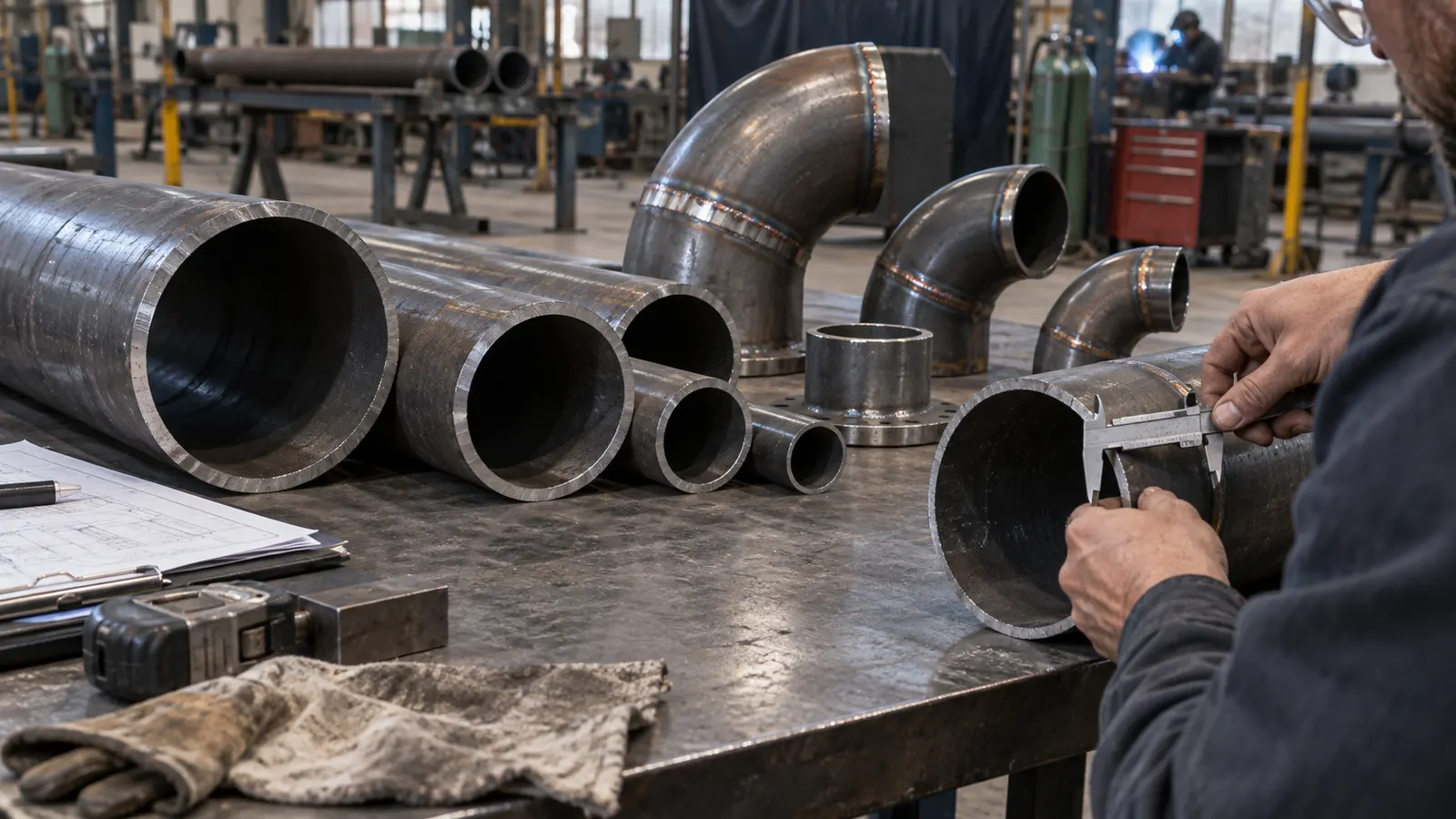
Pipeline Fittings & Schedules
Elbows, tees, reducers and how schedules work
Read article →

· 8 min read
Flanges, Gaskets & Bolting
How flanged connections hold, and how to spec them
Read article →

· 6 min read
How to Write a Bill of Quantities (BOQ)
Get your equipment list right so suppliers can quote
Read article →
Inspection & Material Quality
Oil and gas inspection and material quality guides: define acceptance evidence, inspection scope, certificates and equipment traceability.
Define what the evidence must demonstrate
Inspection and material quality are connected parts of equipment acceptance, but they do not answer the same question. Inspection may establish that a specified activity was observed or that particular characteristics were checked. Material documentation connects the supplied product to its stated material and the records required by the order. This category brings those evidence questions together for oil and gas buyers. It supports the inspection and quality subjects already present in Oillinko's catalogue and articles, without implying that every product requires identical tests or that Oillinko holds an inspection body's accreditation.
Start with the acceptance question. A purchaser may need to establish the material grade of a pressure component, confirm a dimension, witness a performance test or review the condition of installed equipment. Each purpose leads to different methods, records and competent parties. Asking for quality certification without stating that purpose leaves the supplier to interpret the requirement. A useful specification identifies what is being checked, the applicable basis, the expected evidence and the person or organization authorized to accept the result on the purchaser's behalf.
Separate product requirements from management credentials
A company quality management certificate concerns the scope and system described by that certificate. It does not replace a product specification, establish stock condition or prove the performance of every item the company sells. Similarly, a catalogue statement that a product follows a standard should be checked against the exact offered configuration and any required exceptions. The supplier selection guide explains how to ask for relevant evidence. Keep credentials, product conformity and transaction-specific inspection records as distinct parts of the supplier evaluation.
Where an inspection body is required, determine the competence and independence expectations for the actual assignment. ISO/IEC 17020 addresses requirements for bodies performing inspection. Its existence does not establish that a particular provider is accredited for the requested scope or location. Ask for the relevant evidence and review its scope, status and any limits. If the client specifies a named inspector or acceptance arrangement, state that before requesting price so the supplier can include the correct coordination and notification requirements.
Plan inspection around the manufacturing sequence
Some evidence can only be obtained at a particular stage. A surface may become inaccessible after assembly, or a required witness activity may occur before final packing. Build the inspection and test plan around the agreed manufacturing or service sequence. Identify which points require document review, attendance or approval before continuation. The inspection and testing category explains how to define method, coverage and reporting. Early agreement reduces the risk of requesting evidence after the work has progressed beyond the point at which it can be produced meaningfully.
The inspection scope should also identify what is excluded or inaccessible. A report is more useful when it states the items examined, method used, reference documents and limitations than when it merely declares that quality is satisfactory. Require findings to remain traceable to equipment tags, serial numbers or other agreed identifiers. Define how deviations are recorded and who can approve corrective actions or concessions. An inspector's observation, a supplier's proposed remedy and the purchaser's acceptance are different actions and should remain distinguishable in the project record.
Connect material documents to the supplied item
The materials and documentation guide addresses inspection documents, heat and batch identification and the relationship between material records and purchase requirements. A document bearing a familiar standard number is not enough if it cannot be connected to the delivered product. The order should establish the required document type, relevant product specification and traceability expectation. Suppliers need to understand whether the client requires records for individual components, complete assemblies or selected pressure-containing parts, because the evidence boundary can differ between products.
The EN 10204 article introduces the inspection document types commonly discussed in metallic product procurement. The BSI publication page identifies the standard and its subject. Specify the document type required by the project rather than treating the most elaborate option as universally necessary. The material or product standard defines the underlying technical requirements, while the inspection document records conformity information in the specified form. These roles should remain clear when preparing an enquiry or reviewing an offered document package.
Distinguish tests, calibration and engineering acceptance
Performance testing demonstrates behavior under stated test conditions and agreed criteria. Calibration relates instrument indications to reference values with the relevant reported information. Neither activity automatically proves that an installed system is suitable for every operating case. A pump factory test, for example, does not establish that the site's piping and utilities are ready for operation. The pump acceptance testing article discusses the distinction between factory and site scopes. Keep the test result connected to its conditions, equipment identification and contractual purpose.
Condition assessment and repair decisions may require engineering judgment beyond a measurement report. If the purchaser expects a fitness assessment, remaining-life evaluation or repair recommendation, identify that deliverable separately and require the appropriate competence. An inspection provider should not be assumed to authorize continued operation unless that responsibility is explicitly established within its scope and the applicable requirements. The maintenance and repair guide explains how condition findings can inform a subsequent work package without turning the initial inspection order into an undefined commitment to restore equipment.
Build a practical acceptance package
Prepare an acceptance schedule that links each required record to the relevant item, specification and review point. Agree document formats and how revisions or corrected reports will be handled. Before release, check that outstanding findings and deviations have the required disposition rather than relying only on a completion date. Use the quality enquiry page or the inspection service catalogue to describe the requirement to Oillinko. The specific provider, inspection scope and evidence remain subject to review and agreement for the individual project and purchase order.
Oil & Gas Equipment
Oil and gas equipment selection guides: compare duties, interfaces, materials and project requirements before requesting a quotation.
Start with the process requirement
Oil and gas equipment selection begins with the task a system must perform. A replacement pump, a new vessel and an instrument spare each require a different technical conversation, even when they belong to the same project. This category organizes those conversations around equipment function. It covers rotating machinery, pressure boundary components, process and utility packages, instrumentation and well equipment already represented in the Oillinko catalogue. The aim is to help buyers prepare usable requirements and recognize missing information before a quotation becomes the basis of a purchase order.
The first distinction is between replacing an identified item and designing a new equipment duty. For a replacement, the installed manufacturer's name, complete model, serial number and drawing revision can be more useful than a broad description. For a new duty, the process conditions and system interfaces determine what a manufacturer can propose. A photograph supports identification but rarely proves material, pressure rating or internal construction. Keep uncertain details visible as questions, because turning an assumption into a firm specification can exclude the appropriate supplier or result in an unsuitable offer.
Compare equipment as part of a system
Rotating equipment moves or pressurizes fluids, while valves and piping control and contain them. Vessels and heat exchangers provide separation, storage or heat transfer, and instruments measure the conditions that operators need to understand. These functions intersect, but their selection methods differ. Use the pumps and rotating equipment guide for machine duty and performance questions. Use valves, piping and sealing when the main concern is a connection, isolation function or pressure boundary. This division keeps the buying discussion focused without treating the surrounding system as irrelevant.
An equipment package also has boundaries that may not appear in its headline description. A pump quotation might include a driver but exclude its starter; an actuated valve may exclude the local control panel; a vessel offer may stop at the nozzle flanges. Establish which party supplies supports, cables, tubing, insulation, utility connections and installation work. Ask for an explicit scope drawing when several suppliers meet at the same interface. A lower equipment price can represent a smaller scope, so comparisons need to consider the completed installation rather than the main component alone.
Record normal and exceptional conditions
Process information should describe the conditions equipment will actually encounter. Fluid identity, composition, temperature, pressure and required capacity are useful starting points, but a single normal operating point may leave important questions unanswered. Intermittent service, startup conditions, cleaning fluids, solids or changes in feed composition can affect selection. Distinguish design conditions from routine operation and identify which values are confirmed. Suppliers should explain the assumptions behind their selections and the conditions under which any quoted performance is applicable, rather than presenting a catalogue maximum as a project guarantee.
Materials require similar care. Stainless steel is a family of materials, not a complete compatibility specification. The body, trim, elastomers, seal faces and fasteners can see different exposures and may need separate identification. A material that suits one fluid concentration or temperature may require a different assessment elsewhere. For an existing installation, provide the approved material specification and known degradation history when available. The materials and documentation guide explains how to connect these requirements to the records that should accompany the actual supplied items.
Resolve interfaces before comparing price
Mechanical fit includes more than nominal pipe size. Facing, connection standard, overall dimensions, mounting arrangements and access for maintenance all matter. Electrical and instrument interfaces add supply voltage, frequency, signal type, communications and installation environment. Where a project specifies a hazardous area classification or another approval, send the exact requirement and ask the supplier to identify the relevant product evidence. An approval attached to a different model or configuration is not automatically applicable. The process, utilities and instrumentation guide explores these package and measurement interfaces in more detail.
Project standards should be listed with the applicable edition and any purchaser amendments. Different documents may govern equipment design, connections, testing and material records. Do not infer that meeting one named standard proves compliance with every project requirement. Ask suppliers to return a compliance statement and a separate deviations schedule that your responsible engineer can evaluate. For example, a performance test and a material certificate answer different questions. Neither replaces the other, and both need acceptance criteria appropriate to the equipment and contract.
Build a useful enquiry and reading path
A useful enquiry combines the technical requirement with quantity, required delivery date, destination and documentation scope. State whether alternatives are welcome, whether the item must match an installed unit, and which dimensions or interfaces cannot change. For well-related purchases, begin with the wellhead and well equipment guide, where identification and assembly boundaries are especially important. For all equipment families, retain the supplier's clarification responses alongside the quotation so that the final purchase description reflects what was agreed rather than an earlier, incomplete version of the enquiry.
The equipment catalogue provides the practical route from these explanations to a requirement submitted to Oillinko. Catalogue coverage describes the subjects on which an enquiry can be made; availability, manufacturer suitability and supply scope must still be confirmed for the individual order. Read the article on preparing a bill of quantities before assembling a mixed equipment list. It helps separate line items, units and supporting documents so that technical review and commercial comparison can proceed from the same information.
Oil & Gas Services
Scope oil and gas field services, pipeline interventions, inspections and maintenance with clear responsibilities and acceptance evidence.
Buy a defined result rather than a broad service label
Oil and gas services are most usefully described by the work to be performed, the asset involved and the evidence needed at completion. Inspection, calibration, repair, pipeline intervention and engineering support each involve different responsibilities and qualifications. This category explains how to frame those requirements using the service subjects already listed in the Oillinko catalogue. A service enquiry submitted to Oillinko is reviewed for coordination with suitable providers; the guide does not imply that Oillinko owns specialist field equipment or holds every qualification required to execute the work directly.
The distinction between equipment supply and a service package matters from the start. A rental instrument may arrive without an operator, a repair quotation may exclude removal from the plant, and a testing offer may assume that the asset is already prepared for inspection. State the desired outcome in practical terms, such as an agreed inspection report or an assessed repair recommendation. Then describe what must be supplied, what must be done and what the client will provide. This creates a common basis for comparing offers that would otherwise hide different assumptions behind the same service title.
Establish the asset, site and work boundaries
Identify equipment tags, locations, quantities, access conditions and available records. A provider planning factory inspection needs different information from a crew mobilizing to an offshore installation or an operating plant. Explain whether the work occurs in a workshop, a fabrication facility or at the installed asset. Relevant drawings, previous findings and maintenance history can reduce uncertainty about the scope. If the condition is unknown, consider a defined initial assessment with a subsequent repair proposal rather than requiring a fixed repair price based on an incomplete description.
Site responsibilities should identify who prepares the equipment, arranges access, provides utilities and controls the work area. Lifting, scaffolding, isolation and waste handling may be necessary project interfaces, but they should not be assumed to fall within every specialist service quotation. For activities involving hazardous energy, the responsible operator must define the applicable arrangements and approvals. The HSE guide to safe isolation of plant and equipment provides a recognized framework for understanding why isolation planning matters. It is UK guidance, and local requirements and approved site procedures still govern the actual work.
Distinguish intervention from inspection
The pipeline intervention category addresses enquiries involving hot tapping and line stopping, where the equipment configuration and the condition of an operating pipeline are central to feasibility. These services should be assessed by competent specialists using the specific line data and approved engineering basis. A generic equipment description is insufficient for authorizing field execution. The buyer's role is to provide a clear requirement and obtain a documented scope, responsibility matrix and technical proposal that can be reviewed by the operator before any work is committed.
The inspection and maintenance category focuses on evaluating condition, checking conformity, calibrating instruments and defining repair or maintenance work. An inspection does not necessarily include engineering acceptance of the asset, and an instrument calibration does not necessarily include adjustment or repair. Define the expected output for each activity. If a report is intended to support a regulatory, insurance or client requirement, tell the provider which requirement applies and what competence or accreditation evidence is needed for that specific scope.
Set deliverables and acceptance criteria
An effective service specification describes what constitutes completion. Deliverables may include reports, measured data, marked drawings, calibration results, repair records or a documented list of unresolved findings. Specify the required format and the asset identification that must appear on each record. If the client must approve intermediate results before work continues, identify the review point and expected response time. This prevents a provider from assuming that completing a site visit is equivalent to completing the technical and documentary obligations of the order.
Acceptance criteria need an agreed basis. The provider should know the method, coverage, reference documents and applicable limits established by the responsible engineering authority. Where the appropriate method has not yet been selected, ask for a technical recommendation and identify who will approve it. Avoid writing a specification that guarantees a favorable result, such as requiring equipment to pass an inspection regardless of condition. The purchased service should produce credible evidence and clearly reported findings, including limitations or areas that could not be assessed.
Coordinate schedule and commercial assumptions
Service pricing can depend on mobilization, personnel days, equipment rental, consumables, access and standby. Ask suppliers to distinguish fixed scope from provisional work and explain what triggers additional charges. A short site activity may still require travel, preparation and reporting time. Identify the planned work window, readiness assumptions and process for authorizing variations. For multi-discipline work, establish who coordinates the interfaces between providers and who owns the final integrated deliverable. These details are especially important when a narrow shutdown window limits the opportunity to resolve missing information on site.
The specialist services catalogue also contains engineering, environmental, digital and other project support subjects. Those enquiries should follow the same discipline of specifying inputs, deliverables, responsibilities and acceptance. A digital assignment may need data access and software interfaces instead of field access, while an environmental assignment may need sampling locations and reporting criteria. Treat the catalogue as a way to organize the requirement, and require project-specific confirmation of the provider's competence, availability and proposed method before treating a service as contracted.
Prepare the enquiry for review
Send a concise scope supported by the available technical documents, requested dates and site information. Mark confidential information appropriately and identify unresolved questions that the provider should address. If equipment or replacement parts may be needed, distinguish confirmed purchase items from provisional recommendations following inspection. The supplier selection and RFQ guide explains how to compare the resulting proposals. Keeping the technical scope and commercial assumptions together helps Oillinko coordinate an enquiry that can be reviewed, priced and accepted without relying on an undefined promise of complete service.
Oil & Gas Procurement
Practical oil and gas procurement guidance covering RFQs, supplier selection, shipment coordination and material documentation.
Connect the technical requirement to the purchase
Oil and gas procurement connects an equipment or service requirement to a clearly defined commercial commitment. The work includes preparing an enquiry, identifying appropriate suppliers, comparing offers and coordinating the information needed for delivery. This category reflects the sourcing and procurement subjects already described on the Oillinko website. It is intended for buyers assembling a first request, engineers supporting technical evaluation and traders coordinating several product families. The objective is a purchase description that both sides understand, with assumptions and unresolved questions recorded rather than hidden behind a short product name.
A procurement process can start from an approved datasheet, an equipment list, a replacement part number or an initial project concept. Each starting point has different information gaps. A complete manufacturer code may still need confirmation of revision or availability, while a new process duty may need technical selection before a firm price is meaningful. Identify the maturity of the requirement and the purpose of the enquiry. A budget estimate, a technically evaluated offer and an order-ready quotation should not be treated as interchangeable stages of the same commercial decision.
Structure the request around the buying question
The supplier selection and RFQ category explains how to identify supplier fit and prepare comparable requests. Start with the item or service boundary, required quantity, relevant specification and any constraints on alternatives. An enquiry for an exact spare should distinguish mandatory identity from a preference for an equivalent. For a mixed equipment list, separate the product families and identify which documents apply to each line. This makes it easier for a supplier to answer the relevant questions without assuming responsibility for unrelated parts of the project.
The article on writing a bill of quantities provides a practical introduction to that structure. A useful line item identifies the product, quantity, unit and technical basis, while supporting drawings and datasheets carry the details that do not fit neatly in a schedule. Maintain revision control across these documents. When a clarification changes a requirement, make sure the updated information reaches every supplier participating in the comparison. Otherwise the apparent difference in price may simply reflect different versions of the requested scope.
Evaluate suppliers against the actual scope
Supplier suitability depends on the required product, configuration, project conditions and delivery expectations. A company that offers a broad catalogue may not manufacture the item, hold it in stock or have authority to propose every listed brand. Ask for the relevant evidence and distinguish the manufacturer's role from that of a distributor or sourcing intermediary. The article comparing trading companies and direct manufacturer purchasing explains why either route can be useful depending on the requirement. The decision should follow the scope rather than an assumption that one route always provides the better outcome.
Oillinko's global company directory is an independent reference organized by company role and specialty. A directory entry does not establish a supplier agreement, current stock or an authorized commercial relationship with Oillinko. Use it to understand the industry and identify relevant areas for enquiry, then verify the specific supplier and offered product. This is particularly important when a quotation names a manufacturer but the commercial counterparty is another business. The order should make clear who supplies the goods, who supports the warranty and where the supporting product evidence comes from.
Compare complete offers and recorded deviations
Separate the technical comparison from the commercial comparison while keeping them connected. First establish whether the offered product or service meets the agreed requirement and identify exceptions requiring approval. Then compare price, delivery, documentation, packing, warranty and any excluded scope. A lower unit price may exclude testing or accessories included elsewhere. Request a written deviations schedule rather than trying to infer differences from scattered comments. The final purchase description should incorporate the accepted technical clarification, not simply refer to the earliest enquiry number.
Quality evidence is part of that comparison, but its detail belongs in a clear acceptance specification. Use the inspection and material quality guide to define inspection scope, material records and traceability. Requiring a certificate without naming its purpose can add paperwork without answering the project's acceptance question. Conversely, requesting essential evidence after manufacture may create delays or reveal that the necessary activity was never planned. Agree the required deliverables before placement and identify review or witness points that could affect the production schedule.
Plan delivery as part of the purchase
Delivery terms should identify the agreed place and the allocation of responsibilities, not merely a three-letter abbreviation. The ICC Incoterms resource explains the rules used to allocate relevant costs, risks and obligations in a sale of goods. Payment terms, product acceptance and other contractual matters still need their own agreement. The logistics and delivery guide develops the practical questions about equipment readiness, packing, multi-vendor consolidation and handover records that should be addressed before goods are released.
Ask what triggers the quoted lead time and distinguish manufacturing completion from arrival at the project destination. Drawing approval, advance payment, inspection release and shipping arrangements can each affect the schedule. Record any dependencies and the process for reporting changes. For long or complex orders, request progress information tied to meaningful milestones rather than a repeated promise that the goods are on schedule. The article on consolidated shipments explains why coordinating several ready dates can be as important as selecting the transport mode.
Submit a requirement with clear next steps
The Oillinko procurement services page describes the route for discussing sourcing, RFQ coordination and related purchase requirements. Send the current specification, quantities, destination and required date, and mark any questions that still need resolution. Enquiries are received by Oillinko for review and coordination; an enquiry does not establish stock availability or create a supplier commitment. A useful next step is the clarification or quotation needed to advance the specific requirement. Keeping that step explicit helps the buyer, technical reviewer and commercial counterpart work from the same expectations.