
Logistics & Delivery
ISPM 15 Wood Packaging Marks: A Buyer's Verification Guide
Keep package identity, marking evidence and change records connected before dispatch.
By OillinkoPublished Updated 6 min read
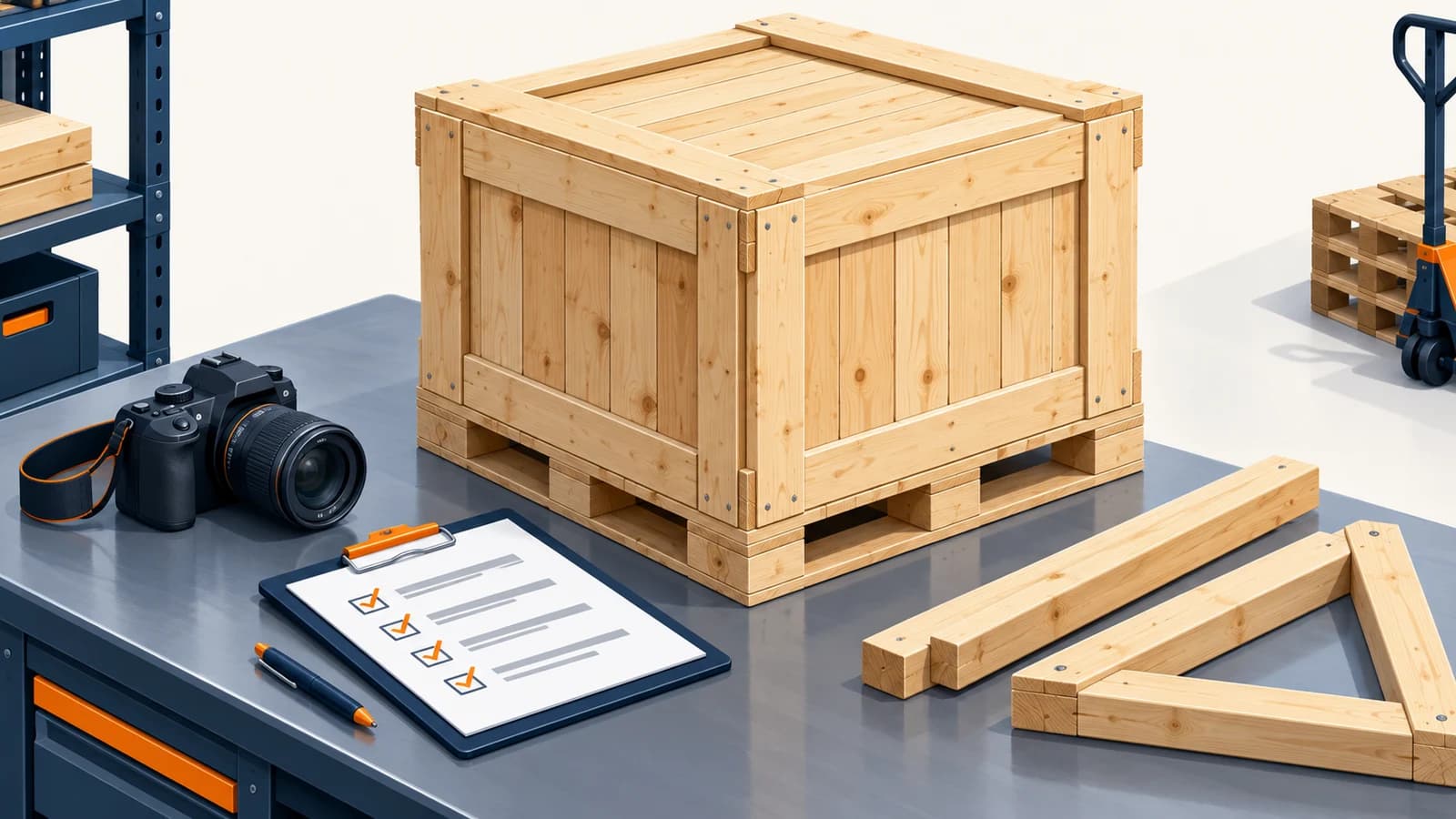
An ISPM 15 wood packaging mark should be reviewed against the physical packaging that will travel with your equipment. A treatment statement in a quotation, a photograph of an old pallet or a label on one crate is an incomplete basis for releasing a mixed shipment. Buyers need a package inventory, readable evidence for relevant wooden components and a defined process for changes after inspection. This guide explains how to organize that review without confusing phytosanitary identification with equipment condition or structural packing acceptance.
The existing equipment export packing RFQ guide addresses the broader journey, preservation and handling scope. Here, the question is narrower: can the project team connect the applicable wood-packaging requirements and the marking evidence to the crates, skids and loose support material actually dispatched? That review belongs alongside the packing proposal, rather than being buried in a general statement that the goods are “export packed.”
Inventory the packaging before reviewing its marks
The IPPC's current adopted standards listing identifies ISPM 15 as addressing phytosanitary risks from raw-wood packaging in international trade, including dunnage. It distinguishes processed materials such as plywood. For an equipment shipment, document the construction of the case panels, frame, skid, internal blocking and separately supplied supports. A description of the outer panels alone does not describe every wooden component in a package.
Ask the packer to map that construction to the agreed package identifiers. A practical record could identify the case number, the types of material used and the party responsible for reviewing the applicable scope. Keep uncertain components flagged until they are assessed. For a mixed consignment, review each package rather than assuming that one crate's construction represents the others. This is particularly useful when equipment from several vendors arrives at a consolidation facility with different packing arrangements.
Read a complete mark in its package context
The official ISPM 15 text, including its 2018 annex revisions describes a mark combining the IPPC symbol with country, producer or treatment-provider, and treatment identifiers. Collect a readable photograph that shows those elements together, and a wider photograph that connects the marking to the identified package. A cropped image of an isolated code makes later reconciliation unnecessarily difficult.
Do not read the mark's country code as proof of the manufacturing origin of the equipment inside the crate. These are separate records concerning different objects. The country of origin versus country of dispatch guide explains how to keep equipment origin evidence distinct. Likewise, a package number used in the packing list is a logistics identifier; it should help locate the marking evidence, but cannot replace that evidence.
Confirm the responsible provider and scope of the evidence
The IPPC FAQ explains that permission to apply the ISPM 15 mark comes from the national plant protection organization or an officially mandated organization. Buyers should ask the packer to identify the responsible producer or treatment provider and the applicable national authorization route. Do not instruct an equipment supplier or forwarding agent to create a replacement stamp simply because a photographed marking is unclear.
When supporting records are supplied, check what they identify: a particular package, component, batch or treatment service. Request clarification if the documents cannot be connected to the dispatched packaging. Keep the provider's statement, photographs and package inventory together so the logistics reviewer can assess them as a set. The purpose is a traceable evidence chain, rather than collecting a large number of documents whose references do not match the shipment.
Handle reused, repaired and remanufactured packaging explicitly
The standard distinguishes unchanged reuse from repair and remanufacture. Those states can lead to different treatment and marking requirements. Ask the provider to state the actual condition and work history of packaging proposed for the shipment. An existing mark on an older case should not be used as a blanket explanation for newly installed boards, replacement supports or an assembly rebuilt from several sources.
Record who reviews changes and who obtains any necessary treatment or marking decision through the appropriate authorized route. If a case is opened or altered during consolidation, hold the affected package record for review rather than carrying forward its earlier release automatically. Preserve photographs and the supplier's written explanation of the work performed. Buyers can define this documentation process without attempting to prescribe treatment schedules or decide regulatory conformity from a photograph alone.
For example, a packer may provide a clear marking photograph before an inspection opening. If replacement bracing is later installed, request an updated package record and confirmation of the appropriate review. The earlier photograph documents the earlier configuration; it cannot describe the added material.
Keep loose dunnage and last-minute additions in the release record
Include separately added blocking and support material in the packing provider's review. A shipment can acquire additional material when loaded, transferred or secured at another facility. Ask which party supplies it and how the relevant evidence will be retained. The responsibility should remain clear when one company manufactures the case and another packs the transport unit. A complete initial crate review does not describe later additions that were never included in its inventory.
Use a change record showing the affected package, what was added or replaced, the responsible provider and the review outcome. Obtain the final package data after those changes, rather than treating a preliminary packing list as the final dispatch record. The multi-vendor shipment guide explains the wider coordination problem. For wood-packaging evidence, the immediate aim is to keep the physical dispatch configuration aligned with the reviewed records.
Agree destination checks and release responsibilities
Identify the destination and relevant transit arrangements early enough for the appointed logistics provider to check current requirements with the relevant authorities. The IPPC directs country-specific phytosanitary questions to official national contact points. A general article cannot guarantee a particular border outcome or establish that every national requirement has been met. Ask the service quotation to identify its review scope, exclusions and the party responsible for resolving any outstanding requirement before dispatch.
Keep the final wood-packaging review separate from equipment inspection, preservation and engineered handling acceptance. Record the reviewer, date, package references, outstanding points and any decision to replace unsuitable packaging. Explore Oillinko's equipment and service categories and provide the packing inventory, route and evidence requirements through the freight and project logistics enquiry page. Oillinko reviews and routes requirements manually; a catalogue entry is not a promise of treatment authorization, clearance or a particular provider's capability.