
Connecting completion, artificial lift and surface-production purchase scopes
Where does the production requirement begin and end?
An enquiry for production equipment should locate the purchase within a specific well and surface-facility arrangement. Identify whether it concerns a new completion, a replacement assembly, an artificial-lift installation, a production test or an alteration to existing gathering equipment. Supply the approved well schematic and the relevant surface drawings, with their revision dates. Define the connection at which each party's responsibility starts and finishes. A description such as complete production package does not establish whether downhole equipment, surface controls, connecting lines or specialist installation services are included.
Use consistent well, equipment and stream identifiers across the item schedule and drawings. Identify owner-supplied equipment and the records available for existing assemblies. For a replacement, distinguish an identical approved part from an alternative that needs engineering review. For a new arrangement, state which technical decisions have already been approved and which require a defined study. Keep equipment supply, well-service execution and production-engineering advice as separately described activities. This makes it possible to identify missing work without treating an equipment quotation as a completed field-development design.
How are completion components and wellhead interfaces connected?
Record the casing and tubing programme, connection schedule and approved completion configuration before selecting packers, downhole valves or running accessories. State the pressure, temperature and fluid conditions established by the responsible well engineer, including the relevant material and compatibility requirements. Provide dimensional drawings for mating assemblies and identify control-line or instrumentation interfaces where present. A nominal tubing size or a general service description cannot resolve every connection, passage or installation constraint. The offer should identify its configuration and deviations against the same approved technical record.
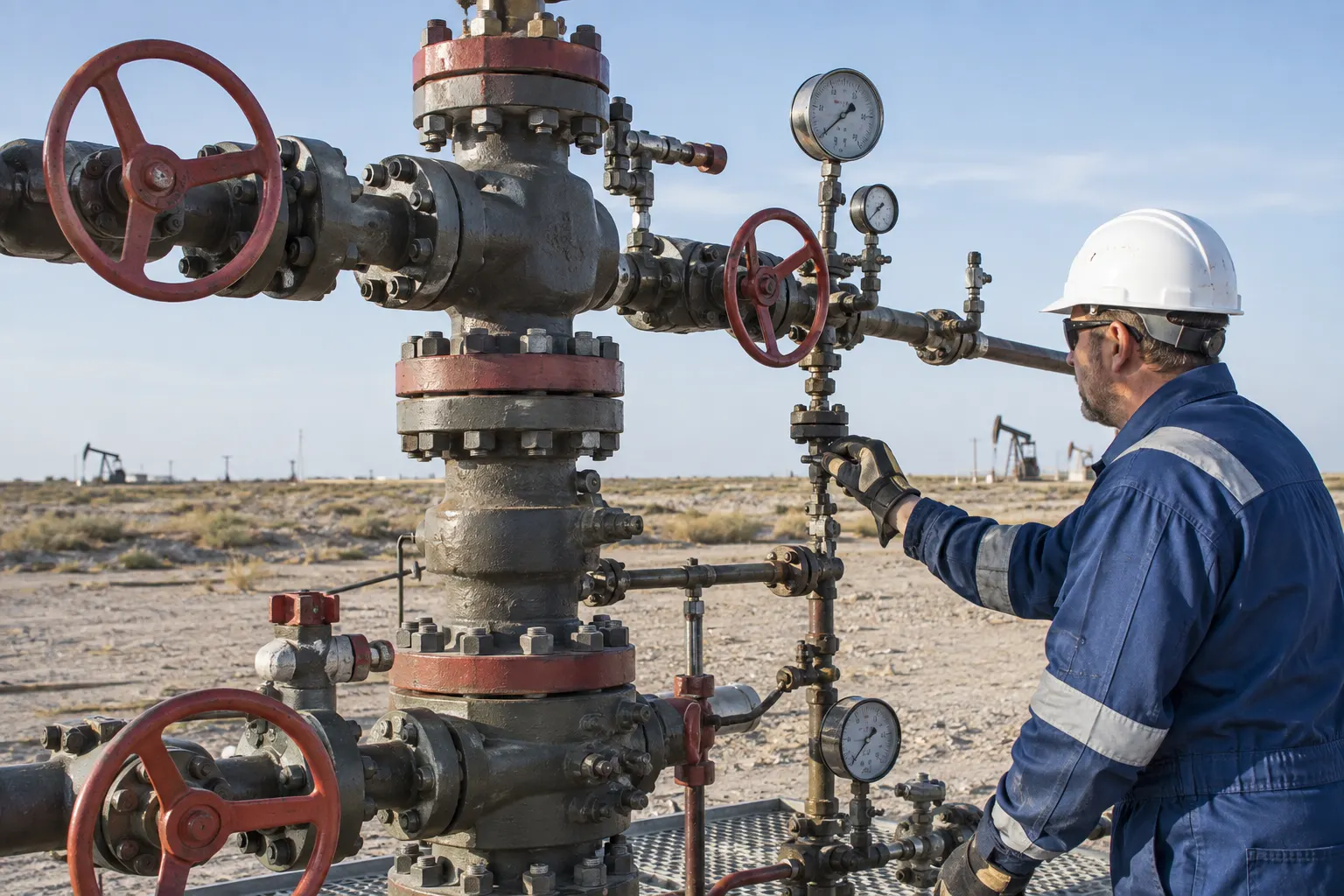
For surface wellhead and tree equipment, specify the individual product and its position in the assembly. API 6A is a specification for wellhead and tree equipment; the purchase still needs the applicable edition, project selections and evidence appropriate to the actual item. Do not assume that a document reference or pressure designation defines the complete assembly. Request an itemized connection and accessory schedule, including actuators and control interfaces when required. Product qualification, manufacturing acceptance and the operator's authorization for field use are separate review questions with different evidence.
What information supports an artificial-lift proposal?
Artificial-lift selection depends on the well and its production conditions rather than the preferred name of a lifting method. Provide the well trajectory, completion geometry, relevant depths, expected production cases and fluid characteristics used by the production engineer. Identify gas, water, solids and temperature information where it influences the selection. Describe the available power, gas supply, surface space and maintenance access. Ask the proposal to explain its selection basis and limits for these stated cases. A broad equipment capacity headline does not demonstrate performance throughout a particular well's operating envelope.
For electric submersible equipment, identify which pump, motor, cable, penetrator, surface drive and monitoring elements are included in the proposed system. For rod, progressing-cavity or gas-lift requirements, request the corresponding downhole and surface component schedule and identify interfaces retained from the installed arrangement. Compare installation support, replacement access, initial spares and maintenance responsibilities separately. State how changing production assumptions will be reviewed before the configuration is finalized. Keep forecasts, operating settings and the choice of lift method with the responsible production specialists; this purchasing guide does not predict a recovery increase or select a system for an unidentified well.
Which surface-flow and control boundaries must be priced?
Describe the production stream at the proposed package inlet and the required outlet conditions using the approved process basis. Where relevant, distinguish liquid, gas and water rates and identify the stated fluid composition, solids or other handling concerns. Connect those duty cases to the wellsite manifold, separation, treatment or gathering interface involved. Identify utilities, drains, vent connections and supporting structures assigned to other parties. A package described by its main vessel or machine may leave significant connecting work outside the price, especially where existing plant equipment remains in service.
For chokes, valves and control assemblies, provide the approved function, connection drawings, materials and instrument or actuator interfaces. Define which local controls, control-panel functions, communication links and site integration activities form part of the enquiry. Request the proposal's boundary drawing and a schedule of required external connections. The responsible engineering team should determine protective functions, independence requirements and acceptance activities for the installation. A component delivery alone cannot confirm the behavior of the connected production facility, and procurement descriptions should not invent shutdown logic, pressure settings or field operating sequences.
What must a production test or measurement assignment deliver?
State the decision that a production measurement is intended to support. A short well test, a production-logging assignment, routine allocation and commercial transfer have different scope and reporting requirements. Define the measured quantities, time basis, expected conditions and required output format. Identify who supplies the input records and who interprets the results. If the request combines equipment rental and a measurement service, distinguish the instruments and accessories from personnel, mobilization, data processing and interpretation. A hardware list does not by itself establish a complete measurement assignment.
Ask the offer to identify measurement capability, stated uncertainty or performance basis, limitations and the evidence required for the proposed configuration. Request traceable instrument identification and the calibration records specified by the project. Define handling of incomplete or invalid data and the final report's location and well references. Keep raw measurements distinguishable from processed results and engineering conclusions. Production-test execution and well-access plans require the operator's approved arrangements and qualified specialists; the purchasing schedule should capture those responsibilities without supplying a procedure for intervening in or operating the well.
How does the dossier distinguish supply acceptance from field readiness?
Build a deliverable register by item and package, naming the drawings, material records, inspection reports, specified tests and manuals that the project requires. Associate every relevant record with its component, serial, heat or batch identifier. State the submission stage and whether the document is for information, review or acceptance. Where a standardized procurement specification is adopted, use its technical, quality, information and project-data requirements together with the governing standards. A general statement that equipment is certified does not explain which records will accompany the actual supplied configuration.
Define the receiving team's responsibilities for document review, physical receipt, configuration checks and any separately contracted commissioning support. Record unresolved deviations in a controlled list and name the party authorized to accept them. An inspection release for shipment is not the same milestone as successful site integration or readiness for production. Retain the final configuration, parts and maintenance information in the handover package. This is particularly useful for later spares enquiries, where the installed assembly may differ from the first quotation or an earlier drawing revision.
How can quotations be compared across the same delivery boundary?
Compare proposals line by line against the approved scope, showing included equipment, accessories, spares, documents and service activities. Separate optional technical attendance, mobilization, installation support and rental charges from the goods price. State the delivery rule and named place, with the lead-time starting event and assumptions about drawing approval or inspection release. Record shipment and site-arrival estimates separately from manufacturing duration. For a service package, identify prerequisites, the planned attendance window and responsibility for delays so a short quoted duration is not mistaken for the complete project schedule.
Keep manufacturing origin distinct from the dispatch country and the location of field services. Identify packing, preservation and storage requirements suitable for the actual delivery sequence, together with any documents needed before receipt. Consolidate the remaining technical and commercial questions before comparing a partial offer with a larger package. Send the well schematic, surface boundary drawings and requirement schedule to Oillinko for manual review and coordination. Coverage of completion and production topics on the site does not establish stock, a field-service appointment or acceptance of a proposed configuration for a particular asset.