
Defining an industrial power and utilities package
Create a utility schedule before combining equipment prices
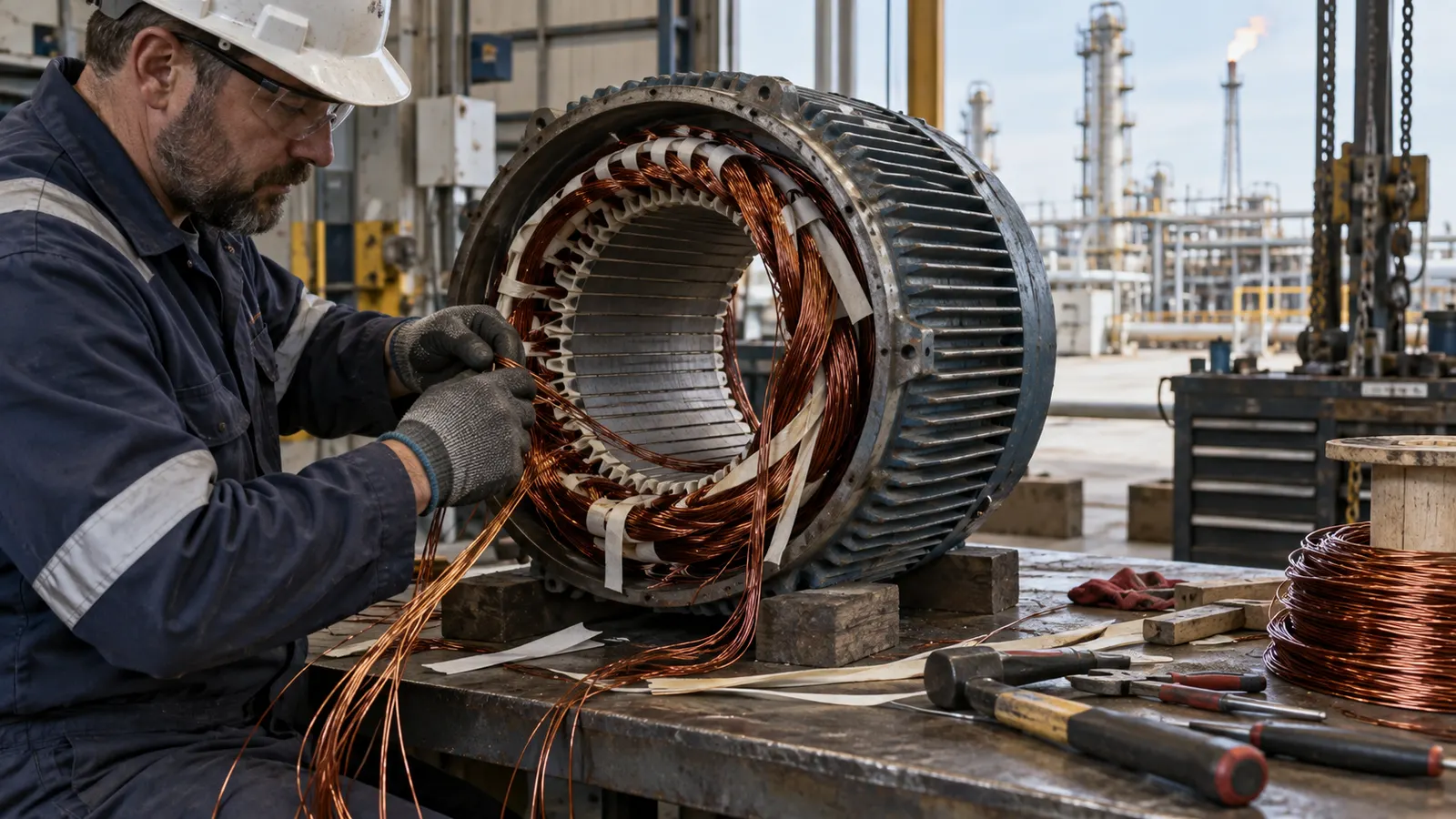
Industrial power and utility enquiries can cover electricity, steam, cooling water, compressed air and the machines that serve them. These systems support related activities but have different performance measures and physical interfaces. Prepare a utility schedule showing each source, consumer and required connection. Identify whether the purchase concerns a complete new system, an additional consumer, a replacement machine or a maintenance service. This distinction helps establish whether the enquiry needs a design study, an equipment quotation or both, instead of assuming that every equipment package includes responsibility for the whole plant network.
Record the approved demand cases for each utility, with units, required conditions and the source of the information. Separate normal consumption, peak demand and any standby case defined by the project. Identify seasonal or production changes and mark estimates that still require confirmation. Ask proposals to explain their assumptions and included capacity against those cases. Adding nominal equipment capacities together can conceal different duty descriptions, so the purchasing comparison should retain the load schedule and the responsible team's design basis alongside the commercial total.
Provide the electrical design and machine interfaces
For electrical equipment, supply the current single-line diagram, voltage and frequency requirements, load information and installation environment. The assigned electrical design should define protection, fault ratings, earthing arrangements and any location approvals. Ask the proposal to identify its scope against that design, including enclosures, controls, cables and accessories where specified. A motor power rating, transformer capacity or familiar switchgear description cannot establish that the offered assembly meets every interface of the existing distribution system. Keep unresolved design inputs visible rather than treating them as supplier-confirmed facts.
For machines, distinguish the process load from the electrical supply and control interface. Identify starting or changing-duty information required by the responsible reviewer, along with mounting, drive and receiving-control arrangements. For standby or uninterrupted supplies, provide the loads covered and the project's autonomy and availability requirements. Ask which functions, batteries, fuel-related equipment or external connections belong to the offered package. A quotation for a principal machine can exclude the supporting equipment needed to connect it, and a replacement may require review beyond its nameplate power.
Draw the steam, heat and condensate boundary
A steam system includes generation, distribution, the equipment using steam and the handling or return of condensate. Identify the part of this network covered by the purchase. For a boiler or heat-recovery package, provide the required steam conditions and demand cases, available fuel or heat-source data, feedwater specification and existing interfaces. Ask where responsibility for process design, water treatment, controls and connections begins and ends. A boiler-only offer and a complete utility package should not be compared as though they deliver the same installed scope.
For steam distribution accessories or condensate equipment, provide the approved layout, connection details and the operating information relevant to the actual location. Identify whether the assignment supplies individual components, assesses the network or performs maintenance. Request a technical response against the project's design conditions and material requirements without assuming that a nominal connection size selects every component. Keep any performance assessment separate from the purchase price. General energy-improvement guidance does not establish a guaranteed saving or prescribe a suitable arrangement for an unidentified industrial steam system.
Keep cooling and compressed-air requirements separate
For cooling duties, identify the medium, heat load, temperature cases, available utilities and the points where the offered system connects to the plant. Include the environmental and water information needed for review when relevant. State which pumps, heat exchangers, controls, treatment interfaces and connecting pipework are included. A circulation-flow figure and a cooling-duty figure describe different requirements. Ask the technical response to address both against the actual installation rather than compare cooling equipment solely by its footprint or a headline capacity.
For compressed air, provide the required delivery conditions, demand profile and specified air quality at the relevant consumption points. Identify the existing compressor, receiver, dryer, filtration and distribution boundaries where those records are available. Ask whether the offer covers a complete train or selected components and which performance conditions apply to the proposed configuration. Record measurement, drain, control and maintenance interfaces for review. The description of a compressor or dryer alone does not define the quality delivered through every existing downstream connection.
Compare installed scope and the evidence at handover
Use a responsibility schedule to identify supply, transport, installation, integration, commissioning and continuing support. Request the drawings, equipment identification and acceptance records specified for each package. Distinguish workshop checks from site acceptance against the actual connected system. List outstanding inputs and who must resolve them before manufacture or installation proceeds. If a proposed package changes the installed arrangement, keep the required engineering review and approvals separate from routine equipment delivery; a delivered component is not automatically an accepted plant modification.
Compare exclusions, delivery milestones, spares and documentation before assessing the overall commercial offer. Confirm manufacturing country for the supplied equipment separately from dispatch location and project destination. A multi-utility enquiry can be submitted to Oillinko as a controlled equipment list with drawings and the load schedule attached. Our team reviews the requirement and coordinates clarification. The sector catalogue helps identify relevant equipment and service families; it does not establish a reserved stock position, an appointed contractor or a guaranteed outcome for the combined utility network.